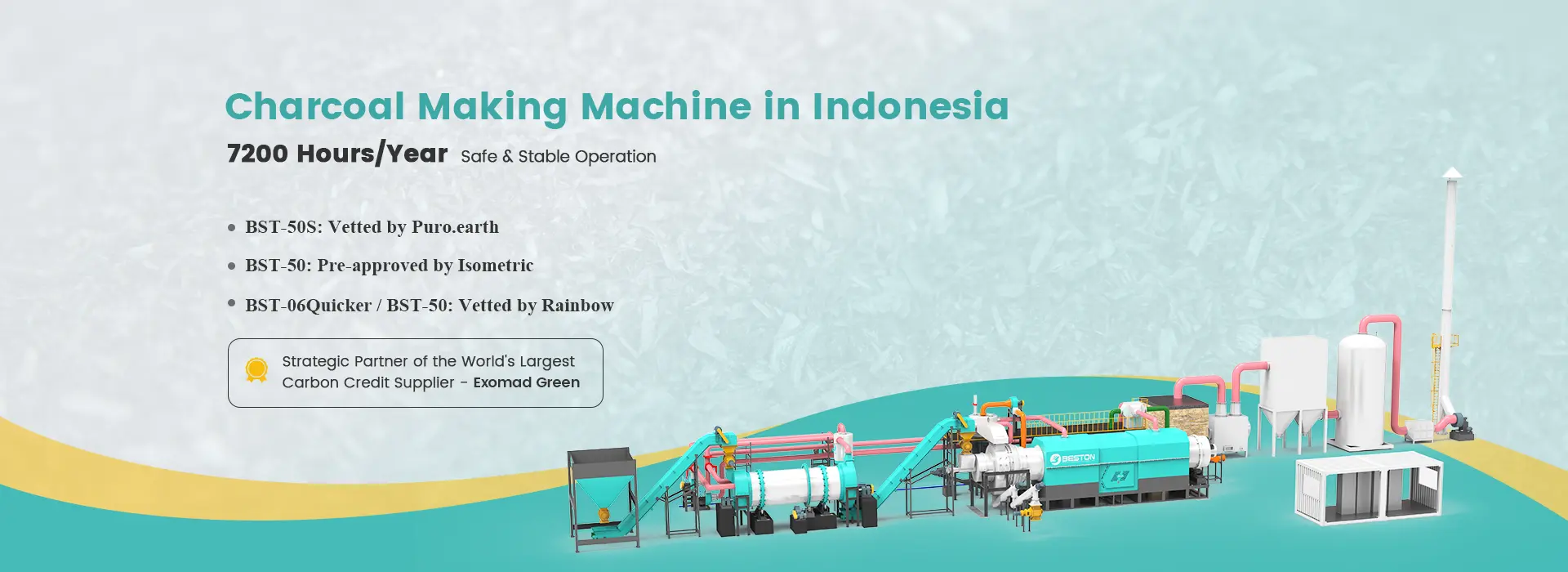
Charcoal making machine in Indonesia turns agricultural and plantation waste into a valuable carbon products. Across Indonesia, there is a massive volume of such waste biomass, which is difficult and costly to dispose of. Consequently, large quantities of this waste are burned on-site or sent to landfills, resulting in a waste of resources. Pyrolysis technology enables the industrial-scale processing of waste biomass, converting it into biochar that can serve as fuel or a soil amendment. If you’re considering investing in charcoal machine in Indonesia, the information below will help guide your decision.
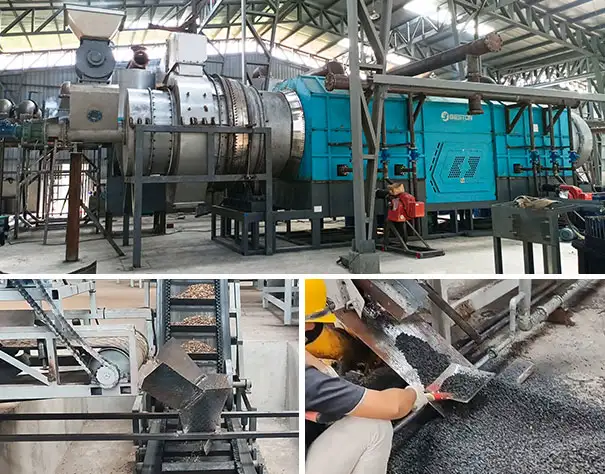
Cases of Beston Charcoal Making Machine in Indonesia
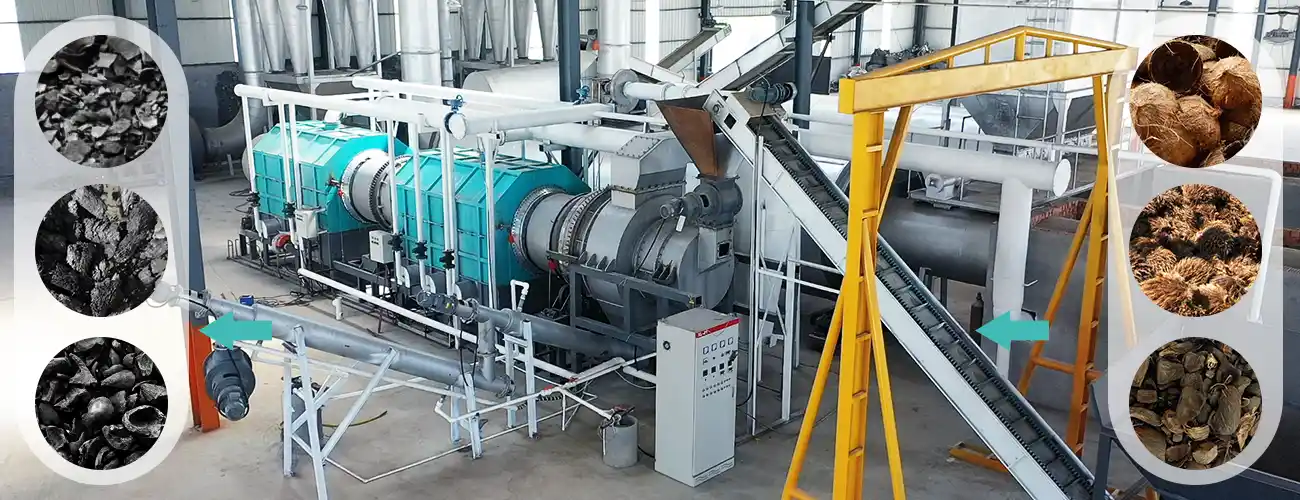
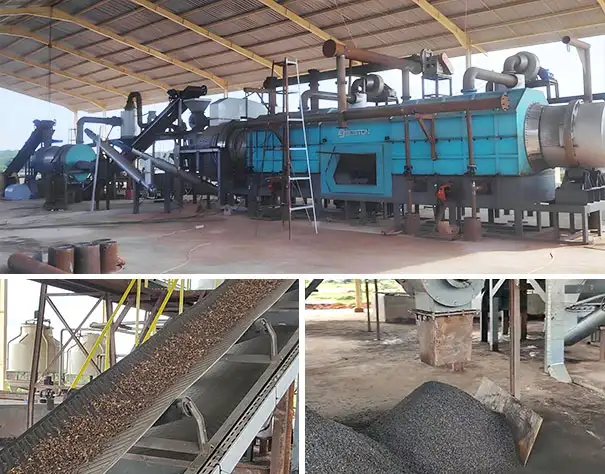
Multiple Agricultural Waste to Charcoal
Fuel Production Facility · Indonesia
Replace traditional kilns with continuous production line
Project Information
| Operating since July 2024 |
Raw material Coconut shell, palm shell, rice husk |
| Yearly output 5,400 tons |
Charcoal use Processed into alternative fuel for sale |
Equipment Configuration
CrusherDryerCharcoal production line
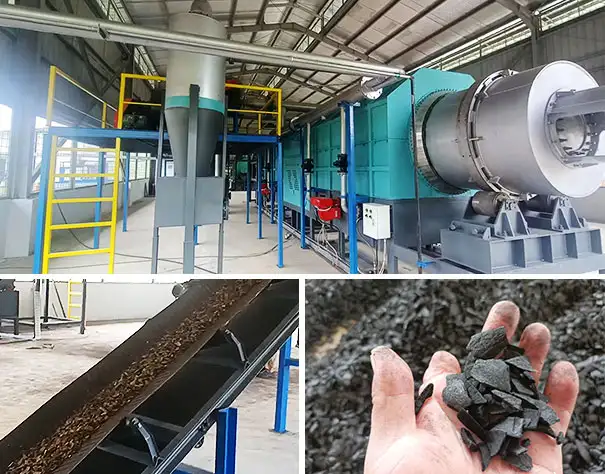
Palm Waste to Biochar
Palm Plantation · Indonesia
On-site plantation waste reduction and utilization
Project Information
| Operating since February 2024 |
Raw material EFB & PKS |
| Processing Capacity 2–4 m³/h |
Biochar use Agricultural soil amendment |
Equipment Configuration
DryerCharcoal production line
Coconut Shell to Charcoal
Coconut Plantation · Indonesia
On-site plantation waste reduction and utilization
Project Information
| Operating since July 2023 |
Raw material Coconut shell |
| Capacity 2–4 m³/h |
Charcoal use Processed into alternative fuel for sale |
Equipment Configuration
DryerCharcoal production line
Continuous Charcoal Making Machine for Sale in Indonesia
In Indonesia, Beston Group offers the BST-06 and BST-50 continuous biochar machines, designed for high-efficiency, continuous operation. These machines process organic materials without the need for pauses between batches, making them ideal for large-scale operations with a steady feedstock supply. Automated and capable of running 24/7, they ensure consistent charcoal production with high output. The choice of machine depends on factors such as available space and desired production capacity.
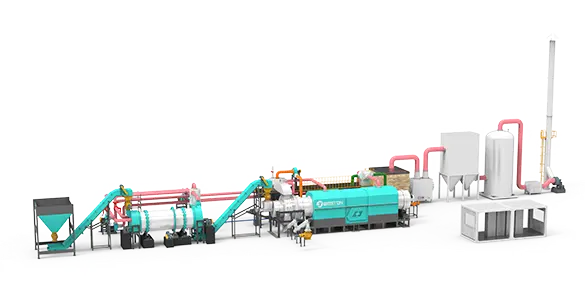
BST-50: Industrial-scale Model
- Vetted by Puro.earth, Rainbow, pre-approved by Isometric
- 6,000 tons biochar production annually
- 7200H/Y stable&safe operation
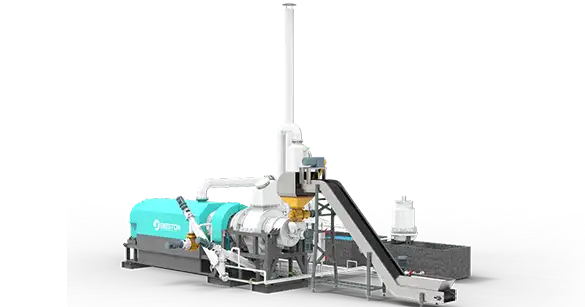
BST-06Quicker: Pilot-scale Model
- Vetted by Rainbow
- 8-hour rapid installation and deployment
- Movable design allowing 8-hour disassembly and reassembly
| Model | BST-50 Standard | BST-50 Max | BST-50S | BST-06 Quicker |
|---|---|---|---|---|
| Operating Mode | Continuous | Continuous | Continuous | Continuous |
| Application | Commercial-scale | Commercial-scale | Commercial-scale | Pilot Testing |
| Certification Platform | Isometric, Rainbow | Isometric, Rainbow | Puro.earth, Isometric, Rainbow | Rainbow |
| Reactor Material | Staineless Steel 304 | Staineless Steel 304 | Staineless Steel 310s | Staineless Steel 304 |
| Feedstock Moisture | Below 15% | From 15% to 55% | From 15% to 55% | Below 15% |
| Feedstock Size | 5-20mm | 5-20mm | 5-20mm | 5-20mm |
| Feeding Capacity (only for pyrolysis) | 10-15m³/h | 10-15m³/h | 10-15m³/h | 100-200KG/H |
| Max. Pyrolysis Temperature (Combustion Chamber) | 650℃ | 650℃ | 700℃ | 650℃ |
| Residue Retention Time | 15-20 minutes | 15-20 minutes | 15-20 minutes | 15-20 minutes |
| Operating Pressure | -20 - 0 pa | -20 - 0 pa | -20 - 0 pa | -20 - 0 pa |
| Cooling Method | Water | Water | Industrial Refrigeration Units | Water |
| Exhasut Gas Treatment | Standard | Standard | High Performance | Standard |
| Biochar Temperature | 45℃ | 45℃ | 45℃ | 45℃ |
| Annual Operating Hours | >7200hrs | >7200hrs | >7200hrs | >7200hrs |
| Service Life | 5-8 years | 5-8 years | 8-10 years | 5-8 years |
| Land Space Required (L*W*H*m) | 35*15*8 | 65*15*8 | 65*15*8 | 35*15*8 |
| Power Consumption | 121kw/h | 270-288kw/h | 270-304kw/h | 25.1kw/h |
| Water Consumption | 5-7m³/day | 5-7m³/day | 0 | 3-5m³/day |
| Fuel Consumption | 220-260m³/h | 220-260m³/h | 220-260m³/h | 30-50m³/day |
| Installation Period | 60 days | 60 days | 60 days | 7 days |
Introduction to Charcoal/Biochar and Its Benefits in Indonesia
Charcoal is also known as biochar. It is a highly porous carbon-rich substance produced through pyrolysis process. It has gained significant attention in recent years due to its numerous benefits for agriculture, environmental sustainability, and carbon sequestration.
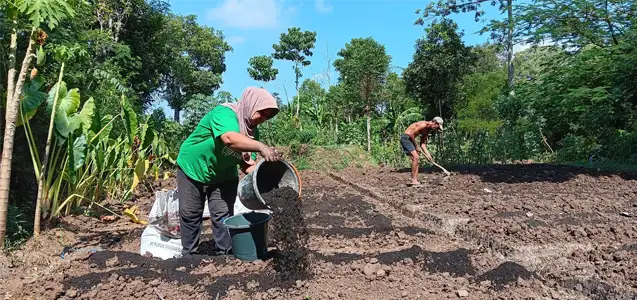
Improve Soil Health
Indonesia’s tropical climate brings heavy rainfall, and large areas are under monoculture crops such as palm, coconut, and rubber, putting pressure on soil health. Biochar can address several of these issues:
- Nutrient Leaching Control: Heavy rainfall causes rapid nutrient loss from soil. Biochar’s porous structure absorbs and retains nutrients, reducing the need for fertilizer input.
- Soil Degradation Recovery: Long-term monoculture leads to soil compaction and acidification. Biochar improves soil aeration and microbial activity, helping restore soil fertility.
- Long-Term Carbon Sequestration: Biochar is highly stable and can lock carbon in the soil for hundreds to thousands of years, opening pathways to international carbon credit markets.
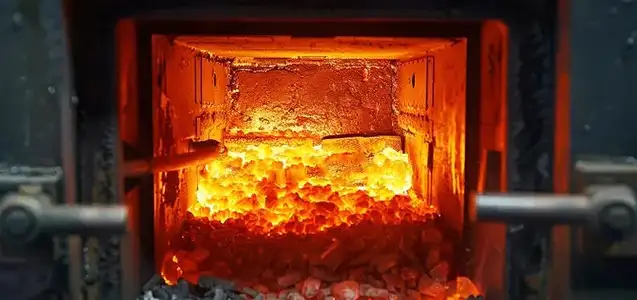
Replace Conventional Fuel
Indonesia’s demand for solid fuel spans from commercial retail to heavy industry. With its high calorific value, low ash content, and stable combustion, biochar holds replacement potential at every level:
- Commercial Fuel Replacement: It can replace traditional fuel for cooking and heating, with demand for coconut shell charcoal growing across Southeast Asia and the Middle East.
- Industrial Fuel Replacement: Charcoal replace coal for drying and combustion processes in Indonesian processing plants. This cuts both carbon emissions and energy costs.
- Metallurgical Carbon Replacement: Indonesia’s nickel pig iron smelting industry is among Southeast Asia’s largest, giving biochar potential as a low-carbon metallurgical reductant.
How Does Biochar Making Machines Work in Indonesia?
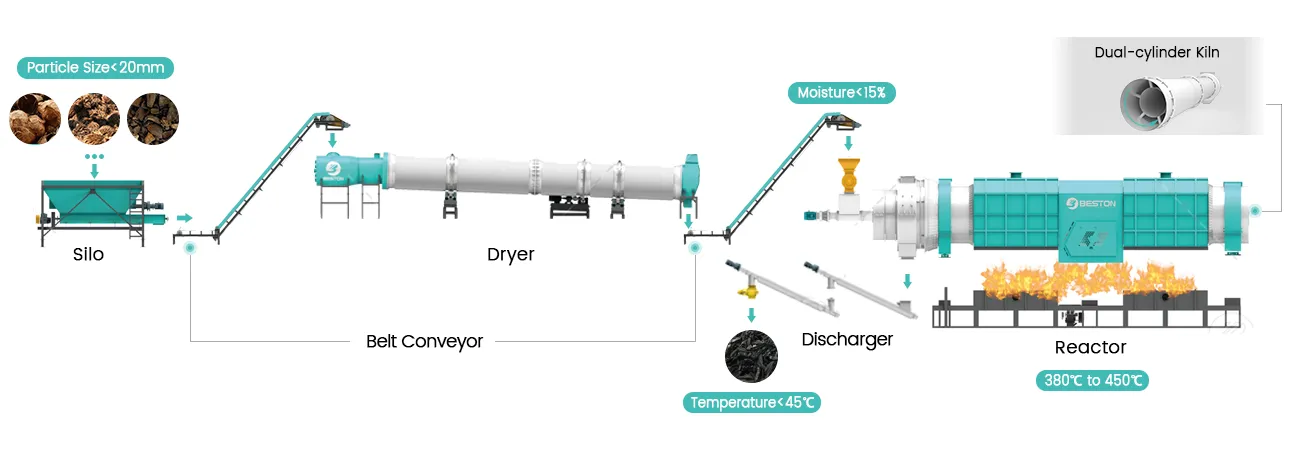
Pre-treatment
Raw materials are crushed and screened before entering the system, ensuring a particle size below 20mm.
Note: Among common feedstocks in Indonesia, coconut shell and rubberwood are harder and bulkier, requiring crushing to a suitable size before feeding.
Drying
Raw materials enter the drying system, reducing moisture content to below 15%.
Note: Feedstock in Indonesia tends to have high moisture content, with palm waste reaching over 50%. Drying time and energy consumption need to be adjusted accordingly.
Carbonization
In the reactor of charcoal machine, raw materials undergo pyrolysis under a low-oxygen, high-temperature environment, forming biochar/charcoal.
Note: Optimal carbonization temperature and residence time vary by feedstock. Process parameters need to be adjusted based on the material type.
Discharging
After the reaction, biochar is cooled by the water-cooling system before being discharged for collection or storage.
Note: Given Indonesia’s high ambient temperatures, the biochar must be sufficiently cooled before contact with air to avoid the risk of reignition.
Factors to Consider When Choosing a Biochar Machine in Indonesia
Feedstock
- Pyrolysis Feasibility: Pyrolysis behavior varies by feedstock. We recommend sample testing to assess char yield and quality before confirming pyrolysis equipment configuration.
- Supply Chain Stability: In Indonesia, biomass supplies are subject to regional or seasonal fluctuations. Investors should evaluate supply and production plans.
Site & Infrastructure
- Transportation Costs: Site selection should weigh distance to feedstock sources and sales channels, as Indonesia’s archipelago geography drives up logistics costs.
- Site Conditions: Ventilation, drainage, moisture control, and power supply should be assessed. Some regions have unstable grids, so backup power may be needed.
Compliance & Certification
- Construction Approvals: Project requires EIA and related construction permits in Indonesia. Confirm approval timelines early and build them into the project schedule.
- Carbon Platform Selection: If carbon credit goals apply, confirm the registration platform early, as different platforms have specific equipment model requirements.
Operations & Maintenance
- Staffing & Operations: The project requires trained operators. They must be familiar with start-up and shutdown, parameter adjustments, and routine inspections.
- Spare Parts & Support: Confirm a local stock plan for key wear parts in advance to reduce downtime risk. Beston Group can provides customers with wear parts.
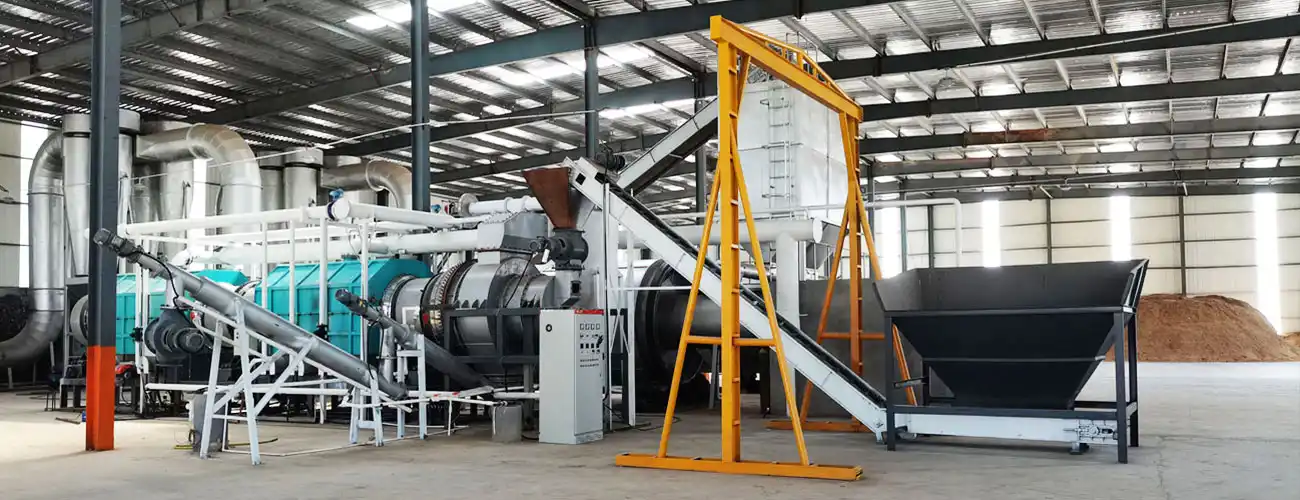
Enhance Biochar Quality and Yield in Indonesia When Apply Beston Machines
Producing high-quality biochar with optimal yield is essential for maximizing the value and benefits of this valuable agricultural resource. Here are some key strategies to enhance biochar quality and yield:
- Feedstock selection: Choose the right feedstock materials (coconut shells, wood, straws, etc.) for biochar production. Select materials that are abundant, readily available, and rich in carbon content.
- Feedstock preparation: Properly prepare the feedstock before the pyrolysis process. This may involve cleaning, drying, or crushing the materials to a consistent size.
- Pyrolysis conditions: Optimize the pyrolysis conditions to achieve desired biochar quality and yield. Factors such as temperature, heating rate, and residence time can significantly impact the properties of biochar.
- Pyrolysis technology: Modern biochar pyrolysis equipment in Indonesia offers improved control over temperature, airflow, and other process parameters. And a closed-loop design allows for the collection and reuse of byproducts like syngas or bio-oil, leading to a more sustainable and efficient process.

Why Select Beston Group as a Charcoal Making Machine Supplier in Indonesia?
Local Project Experience in Indonesia
Beston Group has delivered 10+ projects in Indonesia, covering coconut shell, palm shell, EFB, and other common local feedstocks. This local experience covers a wide range of applications, from carbon removal to soil amendment and alternative fuel production, and lets us offer practical solutions for projects of different scales and feedstock types.
Dual Carbon Market Certification
BST-50 series has passed technical review by both Puro.earth and Isometric. Few equipment hold approval from both leading carbon credit platforms. So if your Indonesian project targets carbon credits, choosing BST-50 meets registration requirements directly and shortens your project timeline.
Full-Cycle Project Support
Beston supports your project from start to finish: feasibility assessment, equipment selection, installation, operator training, carbon credit application assistance, and long-term after-sales service. Whether you’re at the planning stage or already operating, our team provides hands-on technical and business support.
R&D Capabilities
Beston operates its own factory, lab, and pilot facility for material testing and prototype trials. This in-house setup lets us validate equipment performance with your actual feedstock before delivery. Our R&D team also continuously develops new solutions based on customer requirements, ensuring each design fits real operating conditions on site.
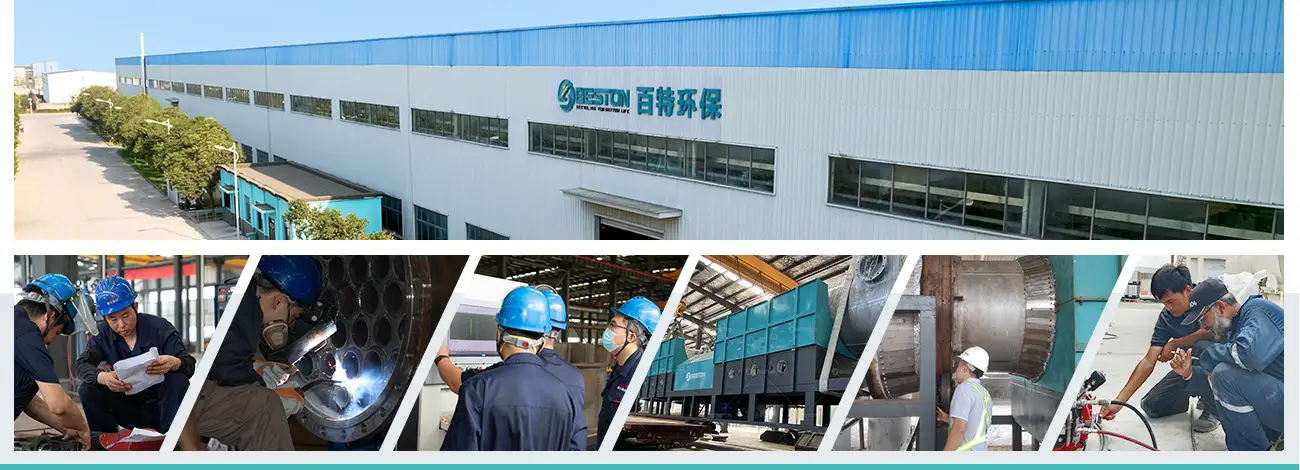
Do Environmental-friendly Business with Beston Group in Indonesia
As the leading manufacturer of charcoal making machine in Indonesia, Beston Group is eagerly looking forward to cooperating with customers in Indonesia to jointly promote the development of biomass pyrolysis in Indonesia. We are well aware of the importance of Indonesia in terms of sustainable development and environmental protection. Choosing to work with us, you will benefit from our superior technology and advanced equipment, which can efficiently convert waste into valuable products. Our biomass carbonization equipment is designed to provide reliable, efficient and long-lasting performance. Whether you are in the field of coconut, wood or other biomass resources, we can provide you with tailor-made solutions. Through collaboration and innovation, we can create a more prosperous, clean and sustainable future for Indonesia. More updates in LinkedIn.