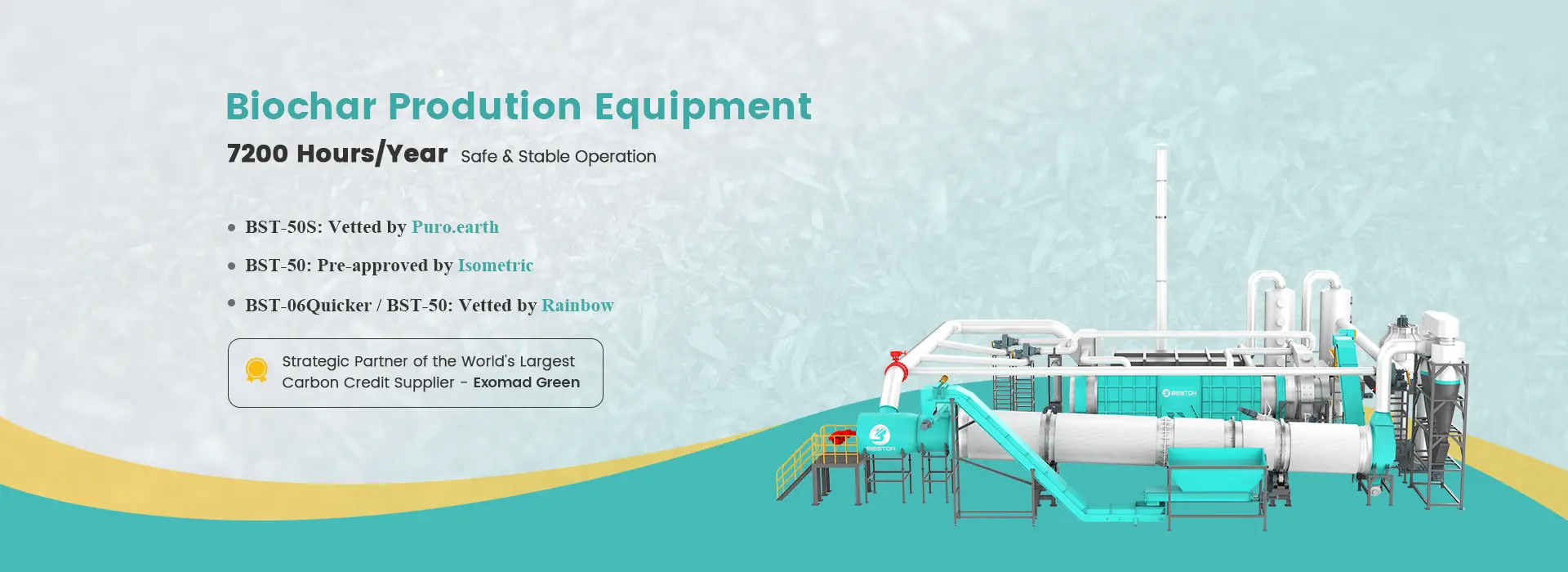
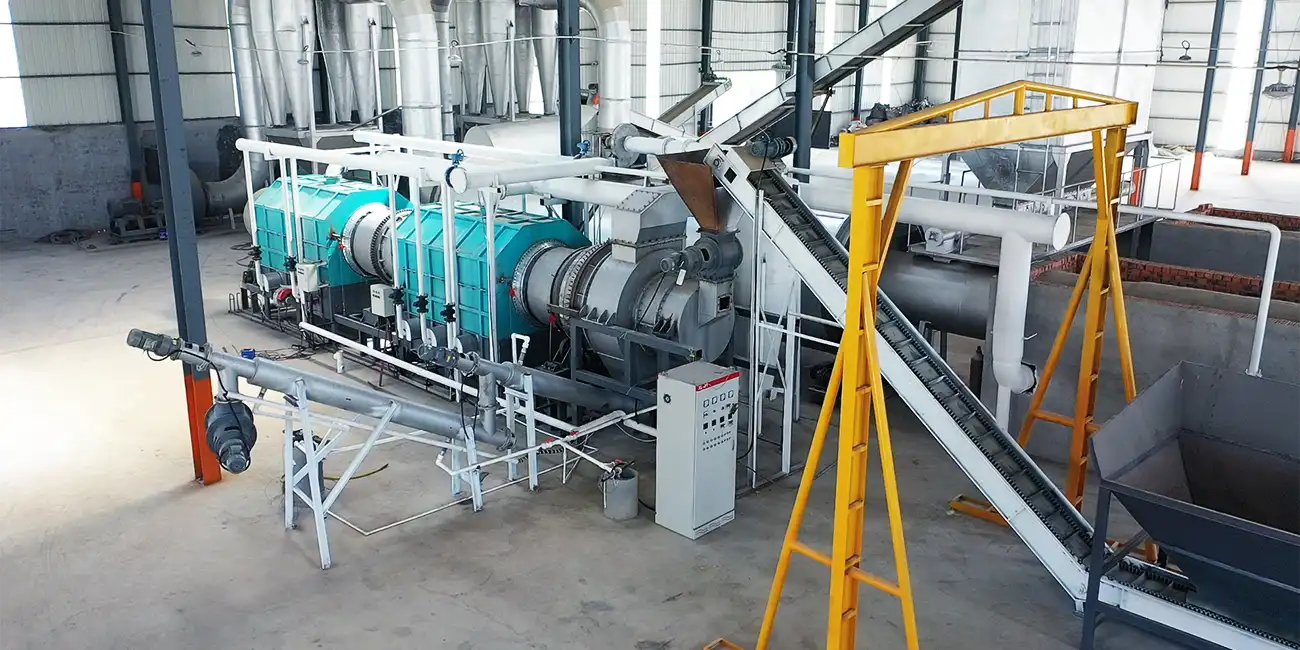
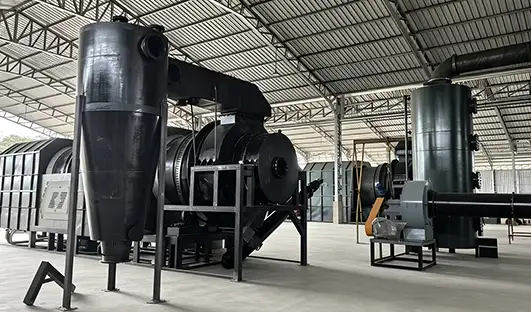
Biochar production equipment uses controlled pyrolysis to convert agricultural waste, forestry residue, and sewage sludge into stable biochar, widely used in soil improvement, construction materials, and metallurgy. Aligning with Puro.earth/Isometric/Rainbow technical standards, Beston Group’s biochar machines have a stable operating performance and comprehensive dMRV capacity, providing a technical foundation for rapid deployment of biochar carbon removal projects. Whether your focus is large-scale production or pilot-scale validation, we welcome you to explore our proven solutions.
Endorsed by Puro.earth, Isometric, and Rainbow: Accelerating CDR Projects
Beston Group’ s biochar production equipment has passed independent technical assessments from Puro.earth, Isometric, and Rainbow, covering both industrial-scale (BST-50) / pilot-scale (BST-06Quicker) models. Using equipment vetted by these leading carbon credit registries, project developers gain two core advantages:



Proven Technical Pathway
- Biochar Quality Assurance: Controllable pyrolysis process ensures biochar output with H/Corg < 0.7, meeting EBC standards.
- Emissions Compliance: GHG emissions (CH₄, NOx, CO₂, etc.) and air pollutants meet EU industrial emission standards.
Faster Carbon Credit Issuance
- Cost Saving: Eliminates repeated third-party technical validation at the project level, directly reducing certification-stage expenses.
- Time Saving: Simplified technical validation shortens certification cycle from the industry average of 6 months to 90 days.
Supporting Documents
| Date | Name | |
|---|---|---|
| Dec 2024 | Puro.earth Evaluation Statement | Download |
| Jul 2026 | Rainbow Vetting Decision (BST-50) | Download |
| Jul 2026 | Rainbow Vetting Decision (BST-06Quicker) | Download |
Biochar Production Equipment with dMRV System: Verified Data for CDR Projects
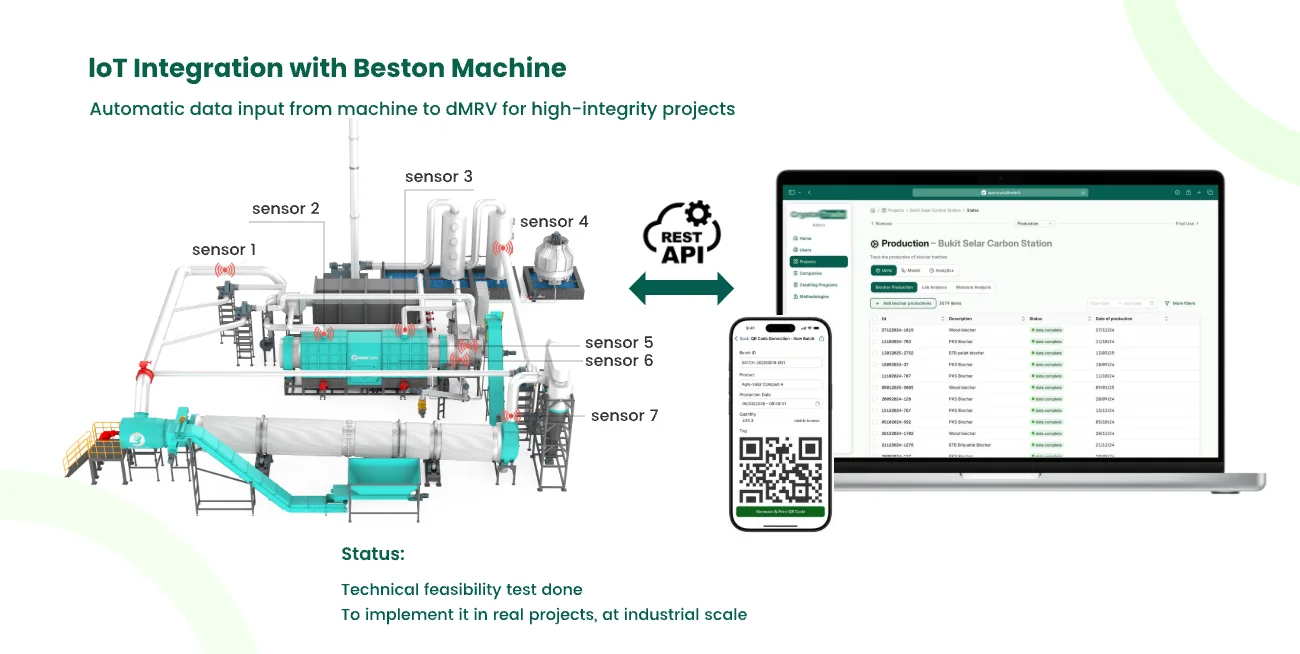
For CDR projects, biochar machine requires reliable data management capabilities to support the monitoring, reporting, and verification (MRV). BST-50 / BST-06Quicker feature a highly automated PLC control system with IoT-enabled remote monitoring. All operational data is logged in a tamper-proof format and fed directly into the dMRV system. It supports registry certification and accurate carbon accounting. The pyrolysis equipment enables:
Full Lifecycle Data Traceability
Sensors at key process nodes collect operating data in real time and upload it to the cloud. The system retains data long-term, tracing it from feedstock intake through production to finished biochar output.
Registry API Integration
Production data can be integrated via API with carbon removal registries such as Puro.earth, Isometric, and Rainbow Standard. This adaptability reduces manual reformatting and streamlines project reporting and verification.
Parameter & Model of Biochar Machine
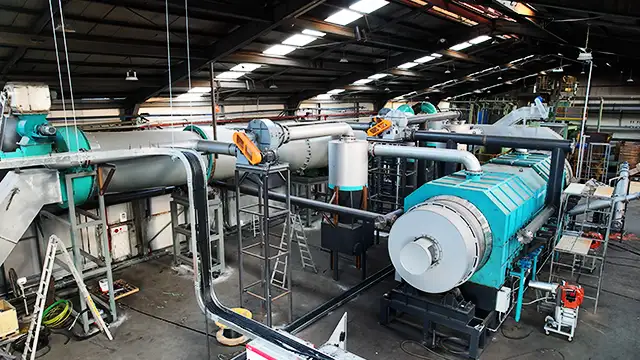
BST-50: Industrial-scale Model
6,000T Biochar Production Annually
- Tar&wood vinegar self-cleaning system: Prevents pipeline blockages and ensures 7,200 hours of continuous annual operation.
- Dual-cylinder kiln design: Shortens cylinder length while maintaining residence time, ensures 10 m³/h processing capacity.
- Two-way Explosion-proof Design: Explosion-proof hole releases excess reaction pressure; water seal prevents gas backflow.
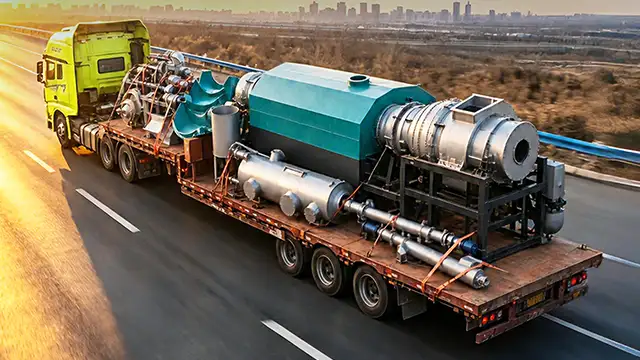
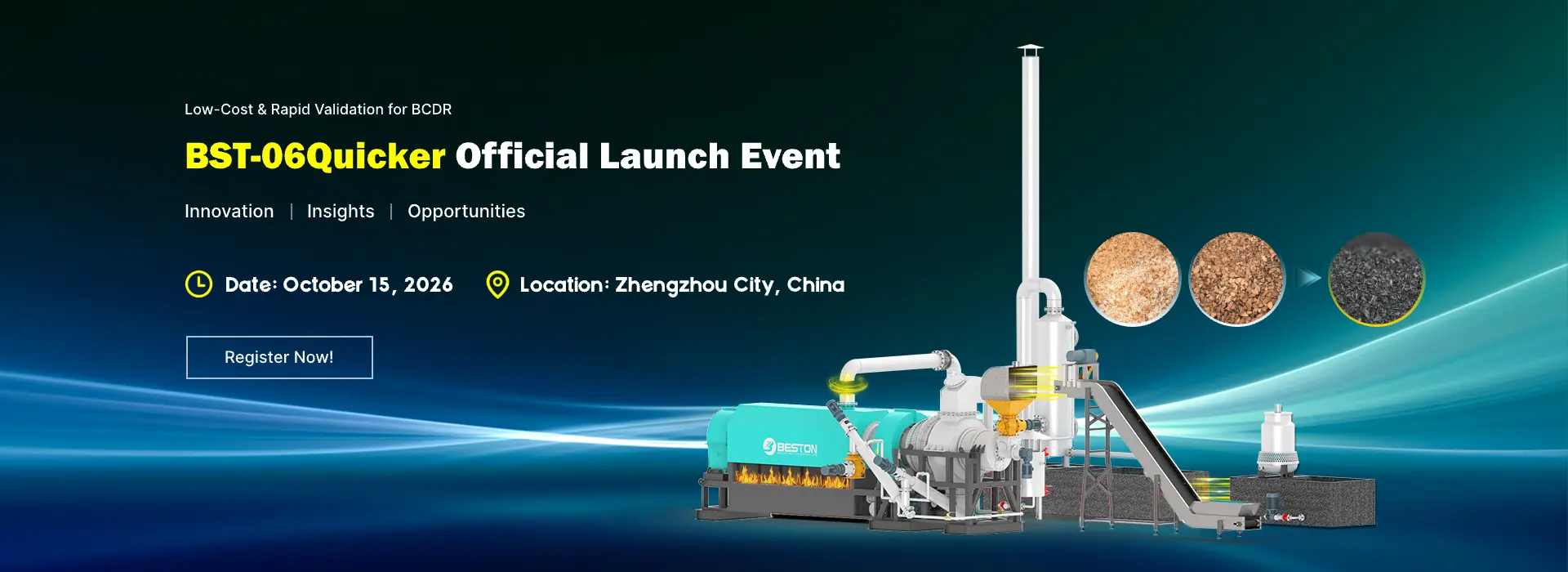
BST-06Quicker: Pilot-scale Model
90-Day CDR Project Validation
- Lightweight modular design: 8-hour rapid disassembly and installation; Mobility enables relocation of the production site.
- Enclosed combustion technology: Ensures complete combustion of combustible gases and low greenhouse gas emissions.
Demonstration Videos for 2 Biochar Production Equipment Models
| Model | BST-50 Standard | BST-50 Max | BST-50S | BST-06 Quicker |
|---|---|---|---|---|
| Operating Mode | Continuous | Continuous | Continuous | Continuous |
| Application | Commercial-scale | Commercial-scale | Commercial-scale | Pilot Testing |
| Certification Platform | Isometric, Rainbow | Isometric, Rainbow | Puro.earth, Isometric, Rainbow | Rainbow |
| Reactor Material | Staineless Steel 304 | Staineless Steel 304 | Staineless Steel 310s | Staineless Steel 304 |
| Feedstock Moisture | Below 15% | From 15% to 55% | From 15% to 55% | Below 15% |
| Feedstock Size | 5-20mm | 5-20mm | 5-20mm | 5-20mm |
| Feeding Capacity (only for pyrolysis) | 10-15m³/h | 10-15m³/h | 10-15m³/h | 100-200KG/H |
| Max. Pyrolysis Temperature (Combustion Chamber) | 650℃ | 650℃ | 700℃ | 650℃ |
| Residue Retention Time | 15-20 minutes | 15-20 minutes | 15-20 minutes | 15-20 minutes |
| Operating Pressure | -20 - 0 pa | -20 - 0 pa | -20 - 0 pa | -20 - 0 pa |
| Cooling Method | Water | Water | Industrial Refrigeration Units | Water |
| Exhasut Gas Treatment | Standard | Standard | High Performance | Standard |
| Biochar Temperature | 45℃ | 45℃ | 45℃ | 45℃ |
| Annual Operating Hours | >7200hrs | >7200hrs | >7200hrs | >7200hrs |
| Service Life | 5-8 years | 5-8 years | 8-10 years | 5-8 years |
| Land Space Required (L*W*H*m) | 35*15*8 | 65*15*8 | 65*15*8 | 35*15*8 |
| Power Consumption | 121kw/h | 270-288kw/h | 270-304kw/h | 25.1kw/h |
| Water Consumption | 5-7m³/day | 5-7m³/day | 0 | 3-5m³/day |
| Fuel Consumption | 220-260m³/h | 220-260m³/h | 220-260m³/h | 30-50m³/day |
| Installation Period | 60 days | 60 days | 60 days | 7 days |
Strategic Partnership Projects: Exomad Green & Euthenia Energy
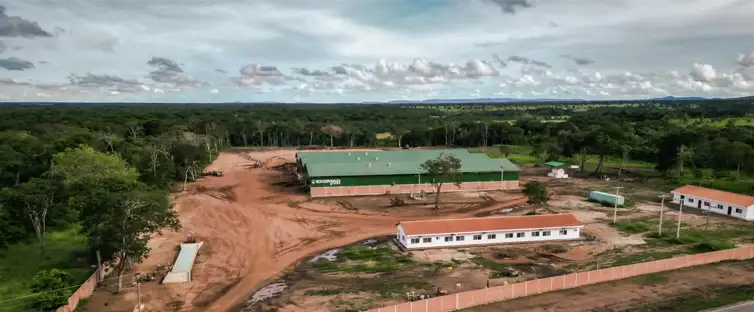
Exomad Green – Global TOP 1 Biochar CDR Supplier
Project Info
- Project start: September 2024
- Project operation: December 2025
- Equipment: 15 × BST-50 (Phase 1: 7 units + Phase 2: 8 units)
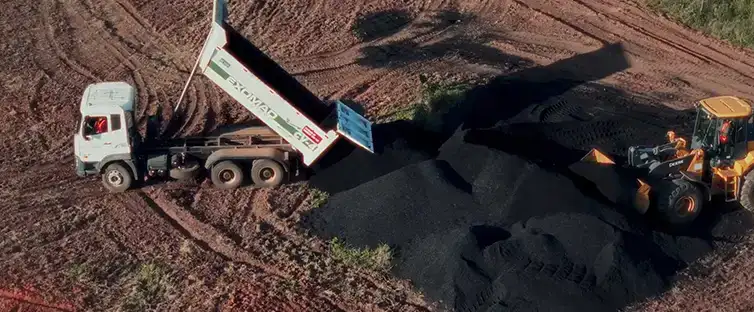
- Feedstock: Wood processing waste (previously incinerated)
- Biochar Use: Donated free to local farmers for farmland.
- CDR Registry: Puro.earth certified
Project Achievements
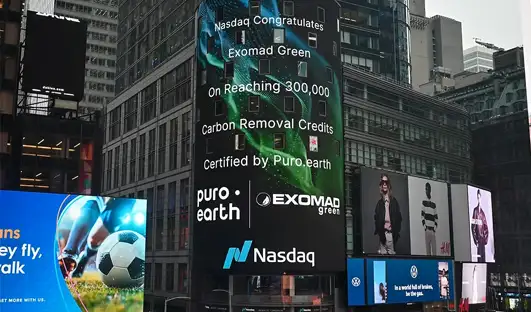
Exomad Green has received 300,000 Puro.earth CORCs and signed a landmark deal with Microsoft for 1.24 million tonnes of biochar — the largest biochar transaction on record.
Carbon Credits Issued (CORCs)
2023 16,2492024 73,7692025 174,4802026 160,000+
Euthenia Energy – European CDR Pioneer
Project Info
- Project start: January 2023
- Project operation: March 2024
- Equipment: 1 × BST-50 (Phase 2 expansion in progress)
- Feedstock: Locally sourced olive wood waste
- Biochar Use: Soil improvement; future used to building materials.
- CDR Registry: Puro.earth certified
Project Achievements
The Euthenia Energy Center project successfully delivered verified biochar carbon removal credits, supporting Boston Consulting Group’s 2024 carbon removal goals across Scope 1, 2, and 3 emissions.
Carbon Credits Issued (CORCs)
4,520 CORCs sold & retired


Industry Leadership: Co-hosted the 2025 European Biochar CDR Conference with Euthenia Energy in Málaga, Spain (Oct 22–23, 2025), bringing together 125 global experts to discuss biochar CDR pathways. [Conference Recap →]
Compatible Biomass Raw Materials Types and Sustainability Requirements

Forestry Residues
High-Quality Feedstock

Agricultural Residues
The Most Important Resource
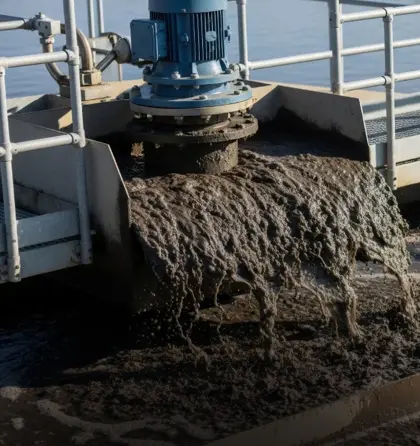
Municipal Seawage Sludge
Urban Waste Management Priority
| Biomass Types | Biochar Yield | Fixed Carbon Content | Biochar Test Report |
|---|---|---|---|
| Wood Chips | 25%-30% | 75%-80% | Download |
| Rice Husk | 35%-40% | 45%-50% | Download |
| Coconut shells | 25%-30% | 85%-90% | Download |
| Almond Shells | 25%-30% | 75%-80% | Download |
| EFB Pellets | 30%-35% | 70%-75% | Download |
| Sewage Sludge | / | 5%-10% | Download |
Sustainability Requirements for Biomass Feedstock
For CDR projects, registration platforms require that feedstock sourcing be compliant and free from additional carbon emissions, ecological damage, or negative social impacts. Therefore, the following sustainability requirements for biomass sourcing are critical to project compliance:
1. No Land-Use Change (LUC): Feedstock sourcing must not involve deforestation, the destruction of wetlands or grasslands, or the development of ecologically sensitive areas. Otherwise, the land-use change emissions would offset the benefits of carbon removal.
2. No Competition with Food Production: Priority is given to feedstocks such as agricultural residues, forestry residues, and by-products of agricultural processing, rather than directly using food crops or dedicating high-quality arable land to the cultivation of energy crops.
3. Protection of Soil Ecological Functions: Residues such as crop stalks play a vital role in maintaining soil organic matter, preventing erosion, facilitating nutrient cycling, and improving soil structure. Only a specific proportion of residues is permitted for use in biochar pyrolysis equipment.
4. Promoting the Resource Utilization of Waste: Priority is given to utilizing biomass that would otherwise be open-burned, landfilled, or left to decompose naturally (releasing methane). Such feedstocks not only enable carbon sequestration but also prevent additional greenhouse gas emissions.
How Biochar Is Made Using Biochar Production Equipment
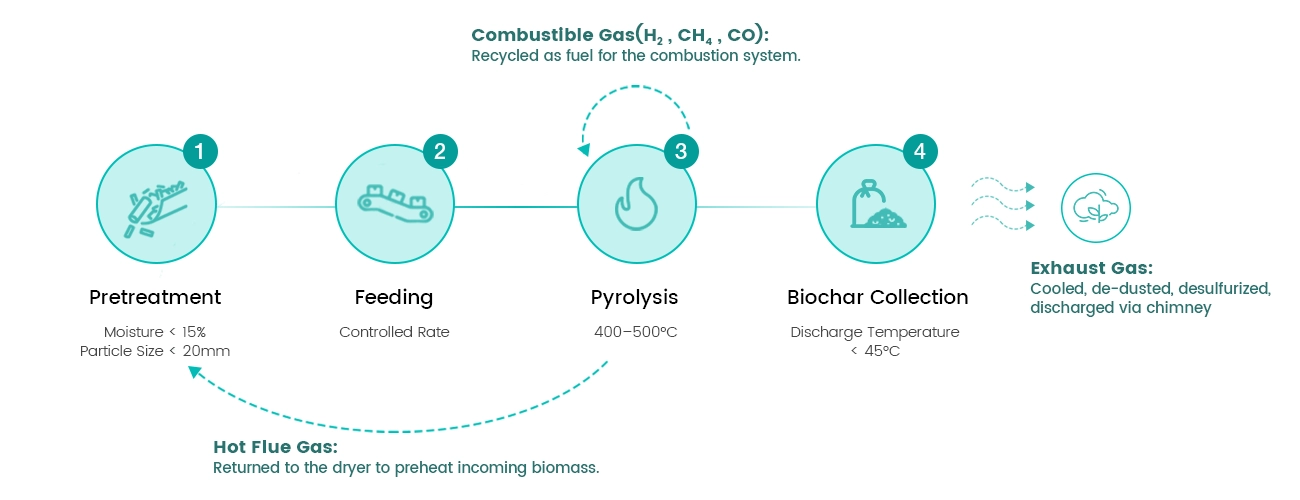
Beston Group’s biochar making machine converts biomass into biochar through a four-stage process — pretreatment, feeding, pyrolysis, and biochar collection. Here’s how each stage works.
Step 1 Pretreatment
Biomass is crushed, screened, and dried to meet feeding requirements (moisture < 15%, particle size < 20mm).
Step 2 Feeding
Pretreated biomass is discharged by screw feeder at a controlled rate. It falls onto high-angle belt conveyor, which delivers it into the furnace.
Step 3 Pyrolysis
At 400–500°C, biomass rotates within the biochar reactor for thorough reaction. Volatiles are released and biomass is carbonized into biochar.
Step 4 Biochar Collection
Biochar is discharged from the furnace by a screw conveyor. It is cooled to below 45°C through a water-cooled conveyor before collection.
Note:
Gases generated during pyrolysis are handled as follows:
- Combustible gas (H₂, CH₄, CO): recycled as fuel for the combustion system;
- Hot flue gas: returned to the dryer to preheat incoming biomass;
- Exhaust gas: cooled, de-dusted, desulfurized, and discharged via chimney.
Diverse Applications of Biochar
Soil Amendment
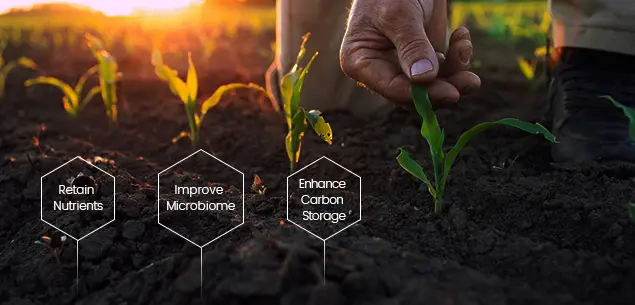
- Forestry: Biochar improves water and nutrient retention in young plantations and enhances forest soil carbon sequestration potential.
- Farmland: Biochar increases soil organic carbon content, reduces nutrient loss, and improves rhizosphere microbial communities.

Construction Material Additive
- Buildings: Biochar is added to cement and concrete to improve strength and thermal insulation performance.
- Roads: Biochar is incorporated into asphalt to enhance crack resistance and pavement durability.
Fossil Carbon Replacement
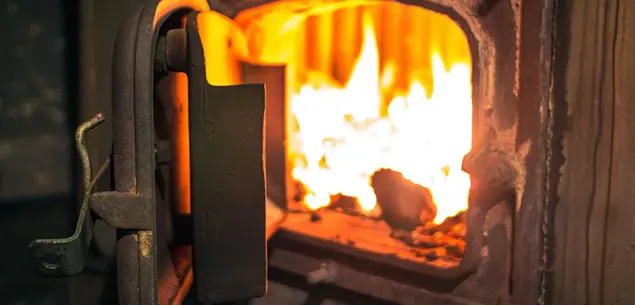
- Metallurgy: Biochar replaces coke and coal in the smelting processes of steels, silicon, and alloys.
- Industrial Processing: Biochar replaces coal as a fuel source for boilers, kilns, and other industrial facilities.

Livestock Applications
- Feed Additive: Biochar improves gut health and reduces methane emissions from ruminant animals.
- Animal Bedding: Biochar absorbs moisture and odors while reducing ammonia and methane emissions.
New Landscape of Biochar Production: 3 High-Potential Application Pathways
Carbon Removal Projects: Carbon Credits Generation
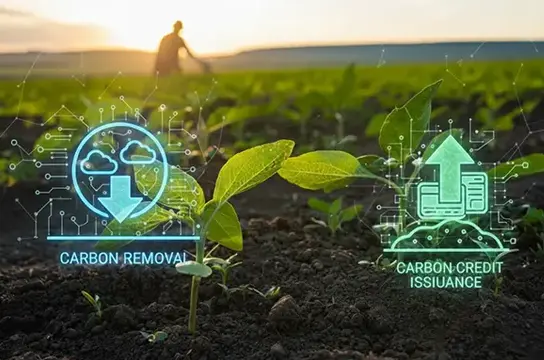
With a mature methodology, biochar has become a leading carbon removal pathway. For CDR projects, biochar machine should ensure compliant H/Corg levels and data traceability. This is to support carbon sequestration durability and the accuracy of carbon credit accounting.
Biochar market share
- Q1 2026: biochar = 93% of 2.3M-tonne CDR volume
- All-time: 1.29M tonnes delivered, 80%+ of total CDR
Main sequestration pathways:
- Soil environment application
- Construction material applications
Carbon credit market value:
- 1 ton of biochar ≈ 2.2 VCCs(Voluntary Carbon Credits)
- 1 VCC = $120–140/tCO₂
Source: CDR.fyi
Metal Smelting Projects: Fossil Carbon Replacement at Industrial Scale
By replacing fossil carbon, biochar is becoming a key decarbonization pathway for the metallurgical industry. As carbon border tariffs (like CBAM) and net-zero mandates tighten, steelmakers and smelters are under growing pressure to cut fossil carbon intensity, pushing metallurgical-grade biochar from pilot use toward large-scale procurement. This shift is placing new demands on biochar production equipment:
Equipment requirements driven by this shift:
- High-capacity, continuous production to meet industrial offtake volumes.
- Tight control over fixed carbon % and mechanical strength batch-to-batch.
Emission reduction potential:
- Blast Furnace: Saves ~300 kg fossil carbon/ton steel.
- Electric Arc Furnace: Saves ~30 kg fossil carbon/ton steel.
- Silicon Smelting: Reduces emissions from 4.5 to 0.5 t/ton silicon.
Source: Biochar Europe, “Biochar as the Key to a Climate-Neutral, Competitive & Resilient European Economy”
Municipal Sludge Treatment Projects: Reduction + Resource Utilization
Due to the extremely high water content and complex composition, municipal sewage sludge treatment faces high disposal costs and compliance issue. A sewage sludge treatment plant that integrates dewatering, drying and pyrolysis can achieve reduction and harmless treatment, while transforming sludge into valuable biochar.
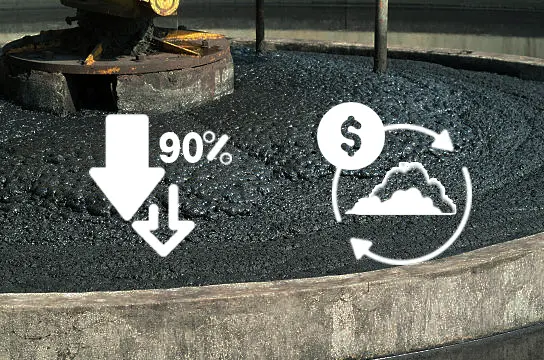
Reduction Efficiency:
- Up to 90% sewage sludge volume reduction
- Daily sewage sludge processing capacity of 150 tons (BST-50S)
Revenue pathways:
- Waste treatment fees: $30–80/ton
- Sewage sludge-derived biochar market price: $100–450/ton
Meeting EBC Standards: Biochar Quality Tested Across 2 Laboratories
Beston Group’s wood-based biochar has been independently tested by two laboratories — Germany’s eurofins and China’s Zhongke Changhua — and meets EBC standards across most application categories. Biochar’s performance comes from its structure: high porosity for water and nutrient retention, rich functional groups for adsorption, and long-term stability for durable carbon storage. The data below compares our results against EBC benchmarks.

| Parameter Category | EBC Standard | German Laboratory Data (eurofins) | Chinese Laboratory Data (Zhongke Changhua) |
|---|---|---|---|
| H/C Molar Ratio | 0.4 – 0.7 | 0.45 (Generally Meets All Application Standards) | 0.11 – 0.32 |
| Heavy Metal | Depends on Specific Application | Fully Meet All | Fully Meet All |
| PAHS-8 | Depends on Specific Application | Fully Meet All | / |
| PAHS-16 | <6 mg/kg | Compliant with EBC-Feed, Urban, Basic Material; Slightly above EBC Feed-Plus, Agro-Bio, Agro | 0.2 mg/kg |
Note:
- Both results confirm the tested biochar samples EBC standards across most application categories.
- More biochar sample data reports are available — click here to access.
- Sample data is for your reference. Results may vary depending on feedstocks.
- To verify your feedstock, we provides laboratory/prototype testing.
Built to International Technical Standards: Beston Group’s Biochar Machine
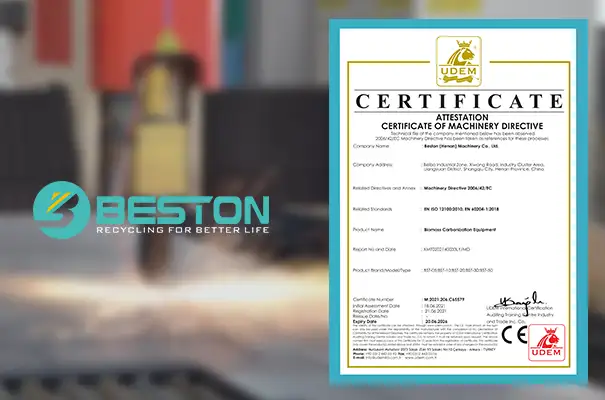
Full CE Certification: Safety Assurance
Core mechanical components are designed and tested to European safety standards. Advanced engineering features, such as dynamic sealing designs and dual-explosion-proof systems, allow operators to work safely. Our biochar machine for sale is CE certified:
- Machinery Directive (MD) 2006/42/EC
- Pressure Equipment Directive (PED) 2014/68/EU
- ATEX Equipment Directive (ATEX) 2014/34/EU
- Low Voltage Directive (LVD) 2014/35/EU
- Electromagnetic Compatibility Directive (EMC) 2014/30/EU
Meets EU Standards: Emission Compliance
Biochar production equipment with high-end flue gas treatment (cooling, denitration, desulfurization, and wet electrostatic precipitator) ensures particulate and VOC emissions comply with EU Industrial Emissions Directive (IED) limits. This ensures smooth local environmental permitting in the most regulated markets.
- SO2 < 50 mg/m³
- NOx < 200 mg/m³
- Particulate matter < 10 mg/m³
- CO < 50 mg/m³
- Heavy metals: Compliant with EU IED limits
Essential Guide to Biochar CDR Projects: Project Process, LCA, and dMRV
What Are the Biochar CDR Project Process?
- Biomass Acquisition
- Biochar Production
- Biochar Transportation
- Biochar Application
- Carbon Credit Issuance
What Is LCA?
Life Cycle Assessment (LCA) is used to quantify all emissions and carbon sequestration from biomass acquisition to biochar application, allowing the calculation of the project’s net carbon removal.
What is dMRV?
dMRV is a digital monitoring system that can monitor, report, and verify all data of the biochar CDR project lifecycle management. It ensures the authenticity, traceability, and auditability of carbon removal.
In short, LCA defines what should be measured across a biochar CDR project’s lifecycle, while dMRV supplies the real-time, verifiable data to track and validate those measurements. Below, we break down how Beston Group supports both LCA and dMRV requirements at each of the five project stages.
Stage1: Biomass Acquisition
Stage2: Biochar Production
Stage3: Biochar Transportation
Stage4: Biochar Application
Stage5: Carbon Credit Issuance

Biomass Acquisition
Collect agricultural and forestry residues, crop straw, and logging leftovers. All biomass must be traceable and sustainably sourced, meeting legal harvesting and collection requirements.
- LCA: Quantifies carbon emissions from collection, transportation, storage, and preprocessing.
- dMRV: Records actual feedstock quantities, sources, transportation distances, and energy consumption.
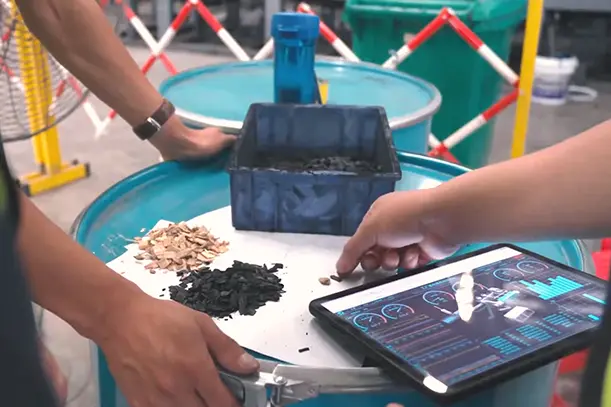
Biochar Production
Through technical vetted biochar production equipment, raw biomass undergoes pyrolysis to produce biochar.
- LCA: Calculates energy consumption during pyrolysis, equipment emissions, biochar yield, and H/C molar ratio.
- dMRV: Monitors actual pyrolysis temperature, residence time, output volumes, carbon content, and energy use.
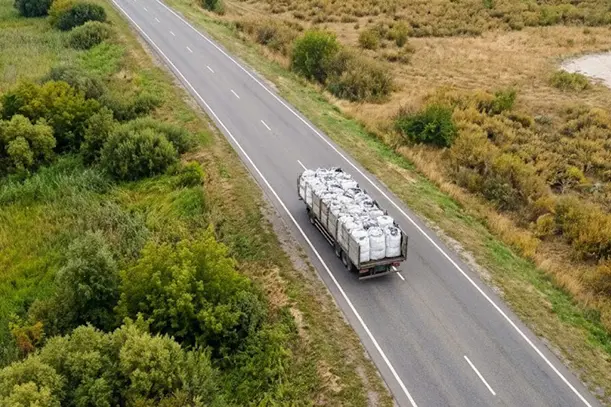
Biochar Transportation
Transport biochar to the application site.
- LCA: Estimates transportation-related carbon emissions based on transport mode and distance.
- dMRV: Tracks actual transport routes, transported volumes, and fuel consumption.
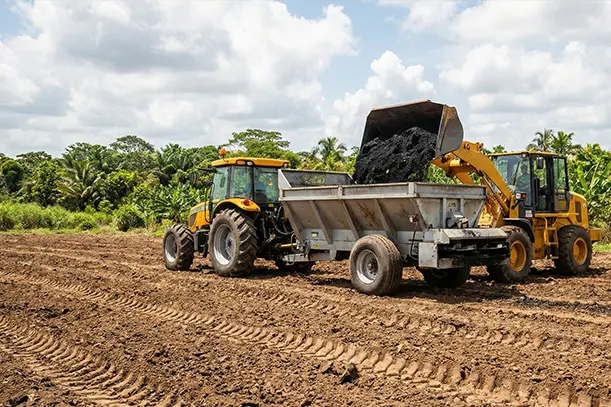
Biochar Application
Applied to soil, blended into construction materials, or used in other long-term carbon storage pathways.
- LCA: Estimates carbon stability and long-term sequestration potential in soil or materials.
- dMRV: Measures actual application rates, application methods, and soil/material monitoring data.
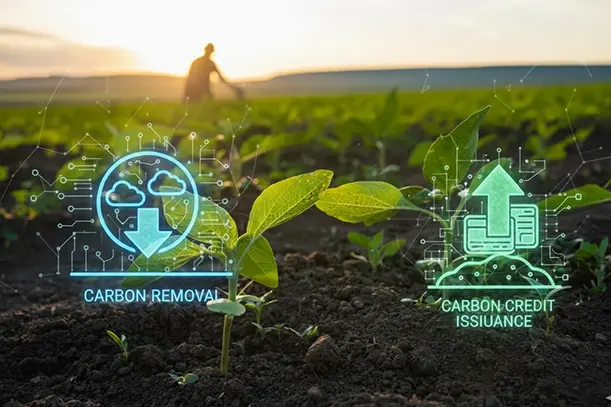
Carbon Credit Issuance
Carbon credits are issued based on verified net carbon removal.
- LCA: Provides project boundaries and methodological calculation framework.
- dMRV: Supplies real-world measurement data to support certification and verification.
How Beston Group Supports Every Stage of a Compliant Biochar CDR Project?
We provides comprehensive end-to-end support across the entire lifecycle of a biochar CDR project. We support your project in achieving easier audits, faster workflows, and transparent, scalable carbon accounting. Below are the specific services we offer:
- 1Project Strategy ConsultingHelp customers set project direction, evaluate market opportunities, and develop sustainable and profitable business models.
- 2Feasibility & Eligibility AssessmentAssess project feasibility across technical, market, regulatory, and certification requirements.
- 3Project Launch & SetupDesign configuration plan, develop construction schedule, and complete biochar equipment manufacturing/installation.
- 4Registration & Audit PreparationSelect certification platform (e.g., Puro.earth, Isometric) and submit preliminary LCA and other audit documents.
- 5Commissioning & Production StartStart production after commissioning. Integrate with dMRV system & API interfaces for real-time lifecycle data reporting.
- 6Carbon Credit IssuanceSubmit the final LCA report and carbon sequestration measurements to complete carbon credit calculation and issuance.
Beston Group’s Strong Foundation: Manufacturing and R&D
Our pyrolysis projects have been delivered across 100+ countries. This track record is built on our 200,000 m² manufacturing base and a team of 50+ R&D engineers. During our 2026 Site Visit, we invite clients to take an in-depth look at our facilities and witness our R&D and production prowess firsthand. The following details reveal the foundations of our R&D capabilities as a biochar machine manufacturer.
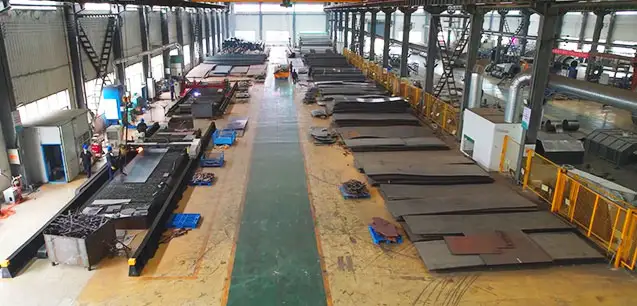
Self-Built Manufacturing Workshop
- Precision Machining: Highly skilled technicians possess advanced capabilities in CNC machining, welding, and assembly, ensuring exceptional product precision and stability.
- Quality Control: All components comply with international standards. Prior to shipment, we conduct rigorous testing on mechanical strength, airtightness and radial runout.
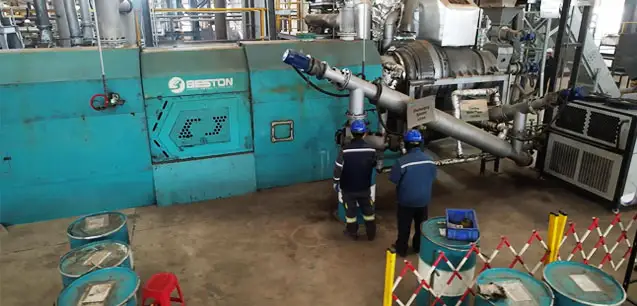
Pilot Testing Base
- Laboratory Testing: Our laboratory adopts equipment that simulates various pyrolysis conditions, enabling comprehensive analysis of biomass pyrolysis process for different feedstock.
- Prototype Testing: By simulating real-world production scenarios, we assist clients in assessing project feasibility and provide necessary data support for subsequent process optimization.
FAQs of Biochar Production Equipment
01 Is Beston Group’s Biochar Machine Endorsed by Puro.earth, Isometric, or Rainbow Standard?
Several models are vetted or pre-approved across major registries:
- Puro.earth: BST-50S
- Isometric: BST-50
- Rainbow Standard: BST-50, BST-06Quicker
This helps you simplify equipment technical validation process and earn carbon credits much faster.
02 What is the Biochar Yield of the Equipment?
03 What Are the Operating Temperature Ranges of the Biochar Plant?
Reactor material selection affects the maximum allowable temperature:
- Q245R + 310S can stand 450-500°C reaction temperatures.
- SS304 / SS316 can stand 500°C to 650°C reaction temperatures.
- 310S can stand 650°C to 750°C reaction temperatures.
04 How Do You Handle Wood Vinegar and Tar?
05 What Is the Energy Consumption of the Equipment? Can It Achieve Energy Self-Sufficiency?
During normal production: the system is fully energy self-sufficient. The combustible gas generated by pyrolysis is recovered into the combustion system to replace the external heat source.
06 Do You Offer a Solution for Sewage Sludge Treatment?
Biochar Industry Trends & Insights


Empowering a Sustainable Future by Biochar Machine
Biochar production equipment plays a vital role in sustainable waste management. By converting biomass into valuable biochar, the equipment not only helps to protect the ecology, but also plays a key role in combating climate change. As the demand for sustainable solutions continues to grow, investing in advanced equipment is an important step towards a more sustainable future. For the latest news, please visit our LinkedIn page.