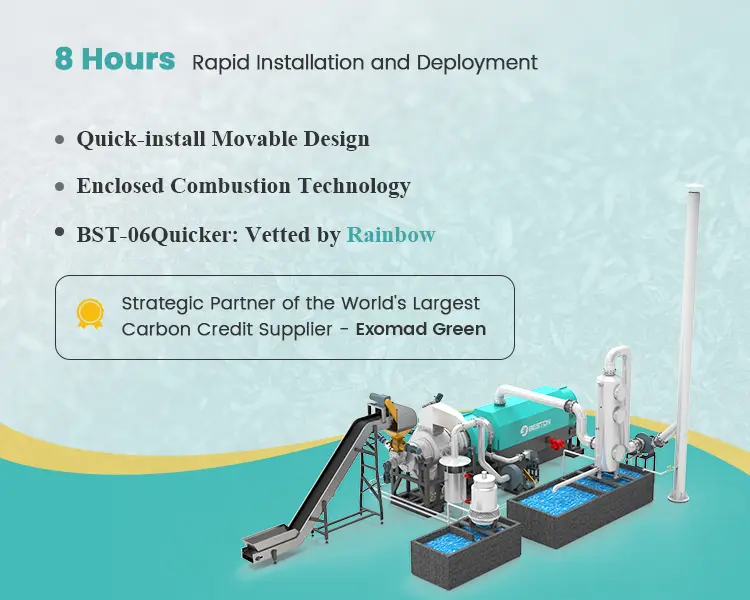
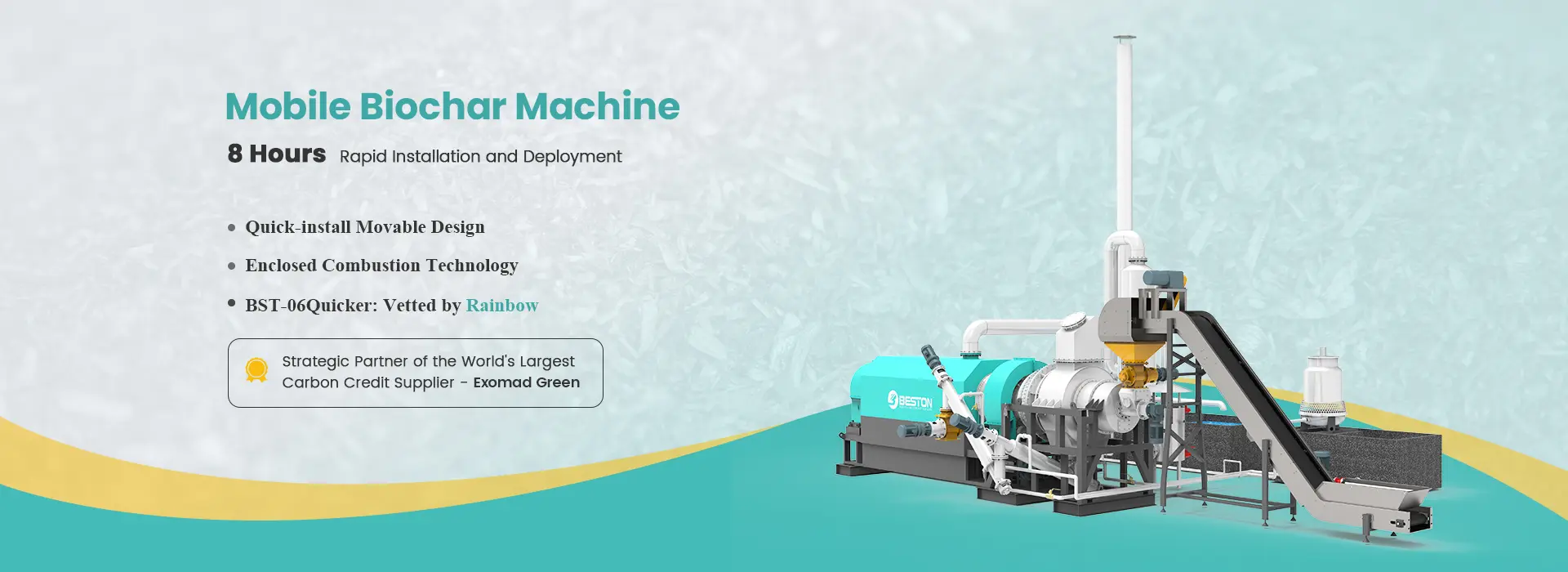
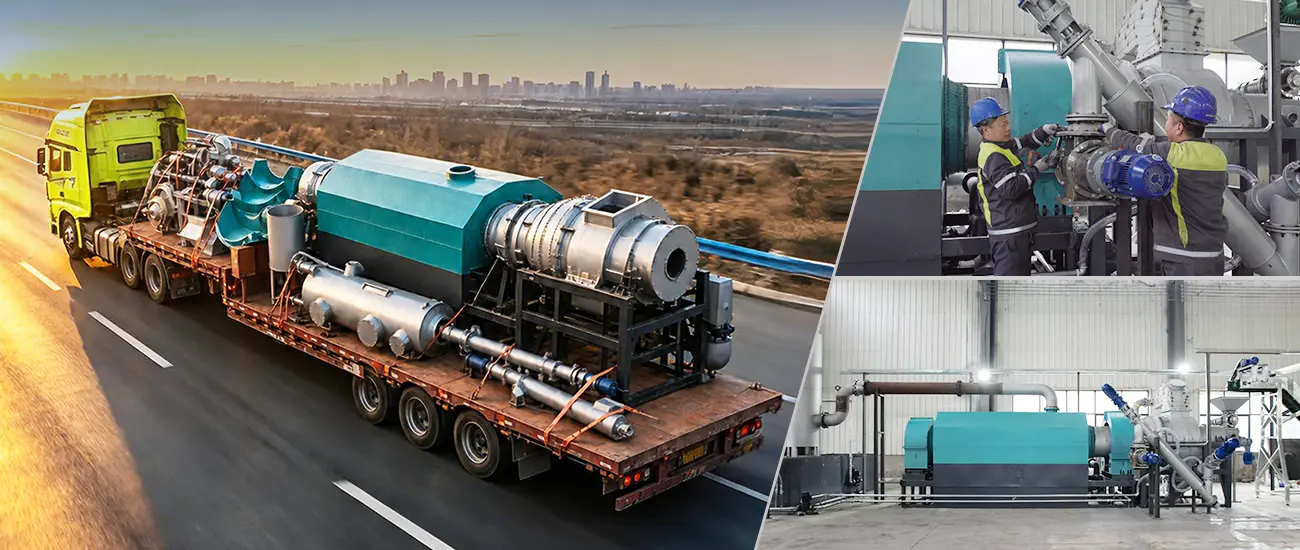
A mobile biochar machine is a transportable, modular pyrolysis system that can convert agricultural and forestry biomass into biochar through a continuous, non-incineration process. Its modular design enables 8-hour field installation and rapid relocation, allowing project investors to begin production on-site. Beyond mobility, it serves as a reliable unit for CDR validation testing, enabling project investors to start trial production quickly and secure carbon credit certification within 90 days.
Beston BST-06 Quicker Mobile Biochar Machine Successfully Vetted by Rainbow
The Beston BST-06 Quicker portable biochar maker is officially vetted under Rainbow’s Biomass Carbon Removal and Storage (BiCRS) V1.1 methodology. This certification brings two key commercial advantages:
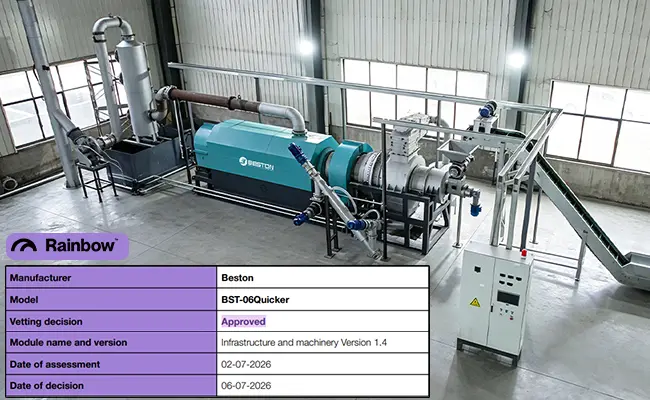
Accelerated Carbon Credit Verification
Streamlines auditing and verification, allowing investors to generate and trade verified Carbon Dioxide Removal (CDR) credits faster on voluntary carbon markets.
Lower Investment Risk
Vetted equipment delivers complete data transparency, eliminating technical uncertainties during CDR verification and significantly lowering your equipment investment risk.
Three Technical Highlights of BST-06 Quicker Mobile Biochar Machine
Engineered to meet the growing demand for small-scale pilot testing in biomass pyrolysis, BST-06 Quicker portable biochar kiln brings portable versatility and industrial reliability. This model delivers three technical advantages for project investors:
Lightweight Modular Structure for 8-Hour Setup
Designed for rapid deployment, the compact framework allows complete field installation within just 8 hours. This design significantly cuts labor costs and speeds up early-stage project initiation.
Sealed Combustion & Thermal Efficiency
Features an advanced closed-loop combustion process that ensures maximum burning efficiency of combustible gases, drastically minimizing greenhouse gas leakage and maintaining peak operational safety.
Integrated Multi-Stage Air Purification
Equipped with flue gas treatment and pollutant purification systems, ensuring that exhaust fully complies with local and international environmental standards.
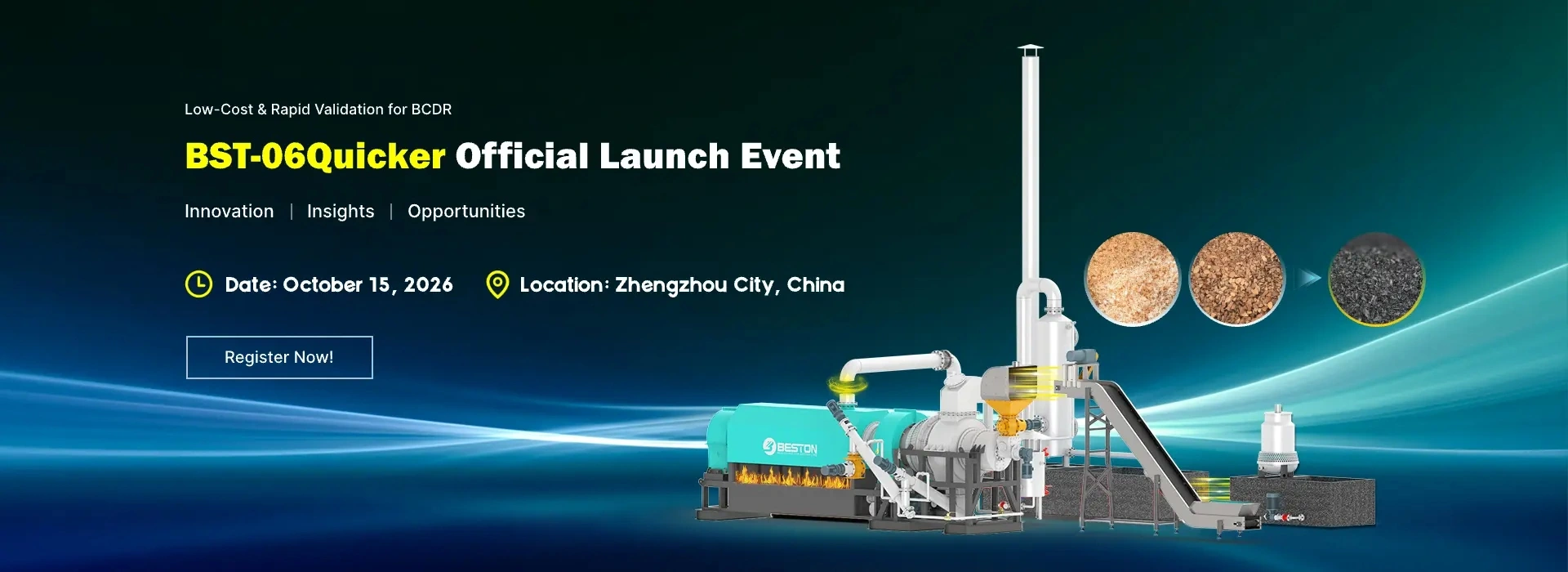
Welcome to Join Beston Group BST-06 Quicker Official Launch Event!
Beston Group cordially invites valued clients, industry partners, and global investors to attend the BST-06 Quicker Official Launch Event on October 15, 2026, in Zhengzhou, Henan, China. Join us to witness the BST-06 Quicker in full live operation, experience its rapid setup capabilities, and discover how its Rainbow-certified continuous pyrolysis system transforms raw biomass into high-value biochar.
End-to-End dMRV Technical Integration for Portable Biochar Maker
Our high-efficiency mobile biochar machine seamlessly integrates with end-to-end digital Measurement, Reporting, and Verification (dMRV) systems, continuously capturing and validating real-time operational data straight from the source. This automated integration delivers:
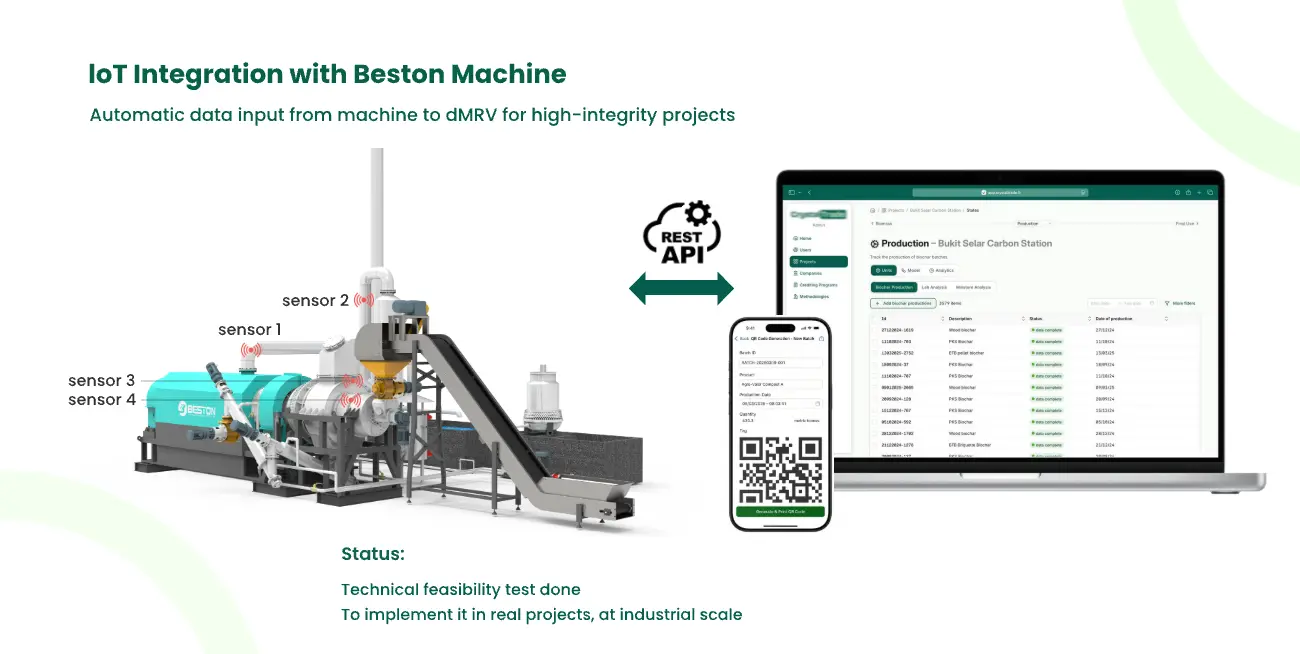
End-to-End Compliance
Ensures complete data transparency from raw biomass processing to final biochar application.
Audit-Ready Reporting
Automatically converts operational data into standardized carbon reports, eliminating manual data handling.
90-Day CDR Certification
Streamlines pilot testing data directly into dMRV workflows, accelerating carbon credit verification within 90 days.
Suitable Raw Material for Mobile Biochar Unit

Wood Waste
Tree waste from logging, pruning, etc.
Wood chips, sawdust, shavings

Food Processing Waste
Food shells like coconut shells, palm shells
Fruit residues like sugarcane bagasse, EFB

Agricultural planting waste
such as rice husks, straw, jute stalks, corn stalks, etc.

Biochar Applications In Key Industrial Sectors
Biochar from the BST-06 Quicker mobile biochar machine has high carbon content and low impurity levels, making it suitable for a range of end uses across multiple industries. Key application areas include:
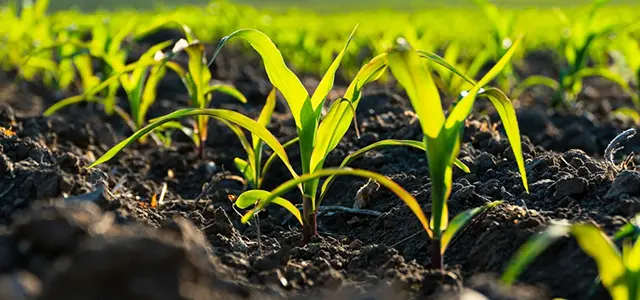
Soil Carbon Sequestration
Biochar can be applied directly to agricultural soil, improving soil structure and helping retain moisture and nutrients. At the same time, its stable carbon structure means the carbon it contains stays locked in the soil for long periods rather than returning to the atmosphere.
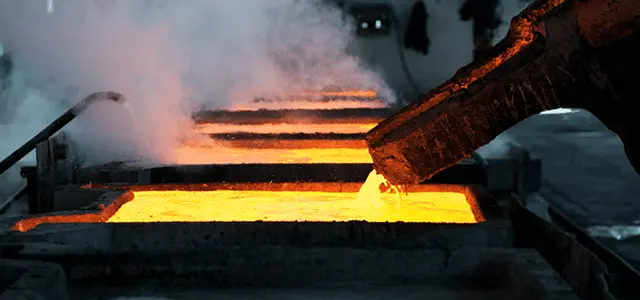
Steel Smelting & Metallurgy
In steelmaking, biochar can replace a portion of the bio-coke traditionally used as a reducing agent. Because it contains less sulfur than bio-coke, it also helps reduce impurities in the finished steel and lowers the carbon footprint of steel production.
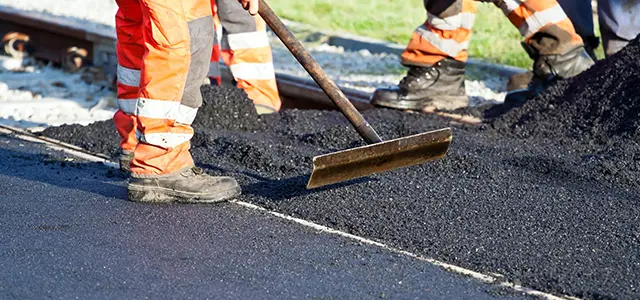
Building & Construction Materials
Biochar made from biochar machine can be mixed into concrete, asphalt, and insulation panels as a filler material. It can permanently store carbon within the building material, keeping it locked away for the structure’s lifespan.
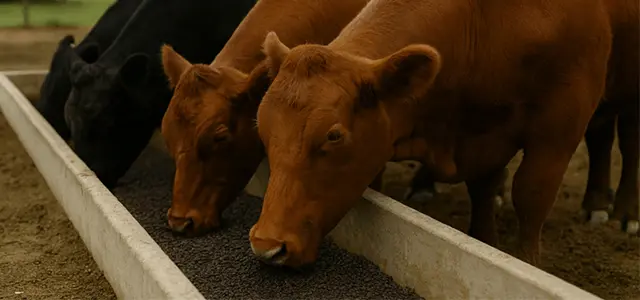
Animal Feed Additive
When added to livestock feed in small amounts, biochar supports animal digestion, boosts nutrient absorption, and cuts methane emissions. This makes it a great feed additive with both nutritional and environmental benefits.
Parameters of Beston Mobile Biochar Unit for Sale
| Model | BST-06 Quicker |
|---|---|
| Operating Mode | Continuous |
| Application | Pilot Testing |
| Certification Platform | Rainbow |
| Reactor Material | Staineless Steel 304 |
| Feedstock Moisture | Below 15% |
| Feedstock Size | 5-20mm |
| Feeding Capacity (only for pyrolysis) | 100-200KG/H |
| Max. Pyrolysis Temperature (Combustion Chamber) | 650℃ |
| Residue Retention Time | 15-20 minutes |
| Operating Pressure | -20 - 0 pa |
| Cooling Method | Water |
| Exhasut Gas Treatment | Standard |
| Biochar Temperature | 45℃ |
| Annual Operating Hours | >7200hrs |
| Service Life | 5-8 years |
| Land Space Required (L*W*H*m) | 35*15*8 |
| Power Consumption | 25.1kw/h |
| Water Consumption | 3-5m³/day |
| Fuel Consumption | 30-50m³/day |
| Installation Period | 7 days |
Key Components & Installation Notes of Mobile Biochar Machine
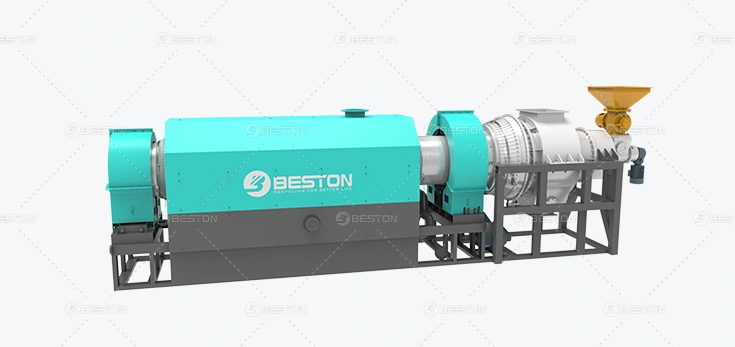
Main Reactor
The core thermochemical processing unit where continuous biomass pyrolysis occurs under oxygen-free, high-temperature conditions to guarantee stable carbonization.
⚙️ Installation Notes: Position the reactor precisely (levelness ≤ 1 mm/m, verticality ≤ 2 mm/m). Check gear engagement, seals, and rotation.
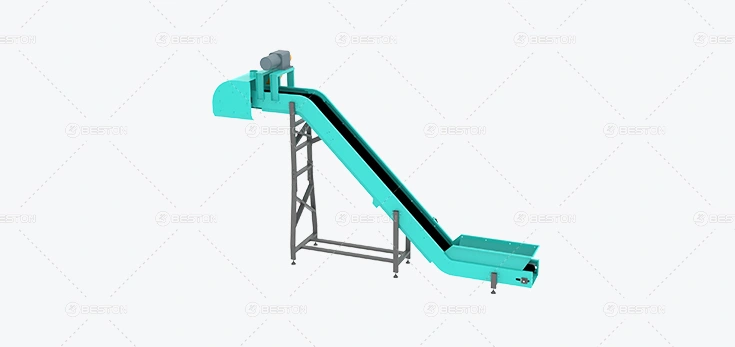
Belt Conveyor
Efficiently transports raw biomass materials from the ground storage area directly into the feeding system silo.
⚙️ Installation Notes: Ensure smooth conveyor operation without belt deviation or misalignment.
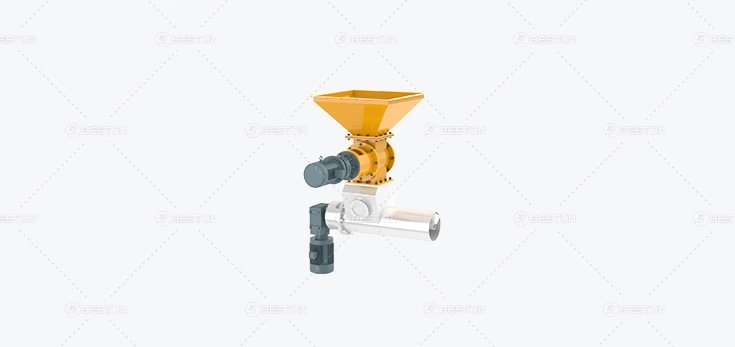
Feeding System
Delivers raw biomass into the main reactor at a controlled rate while maintaining a strict airtight seal to prevent air infiltration during continuous operation.
⚙️ Installation Notes: Align the reactor accurately to ensure a precise, airtight installation.

Spray Tower
Treats and purifies the high-temperature flue gas through water spraying, removing particulate matter and pollutants to ensure compliant air emissions.
⚙️ Installation Notes: Mount the water pump level on a solid foundation and verify leak-free pipe connections.
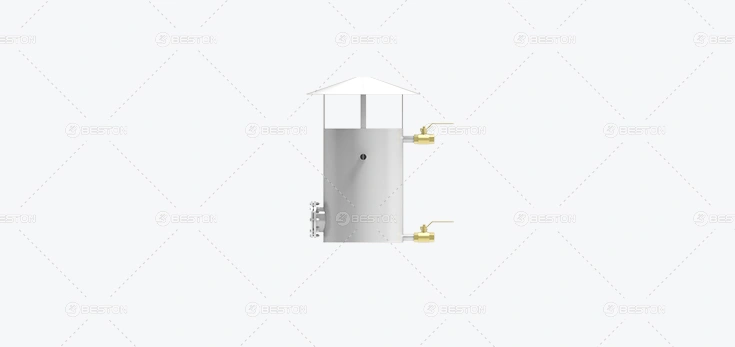
Hydroseal
Acts as a vital safety barrier that prevents backfire and keeps air out of the system, maintaining stable internal pressure and airtight continuous operation.
⚙️ Installation Notes: Position the hydroseal precisely and confirm all pipe connections are completely leak-free.
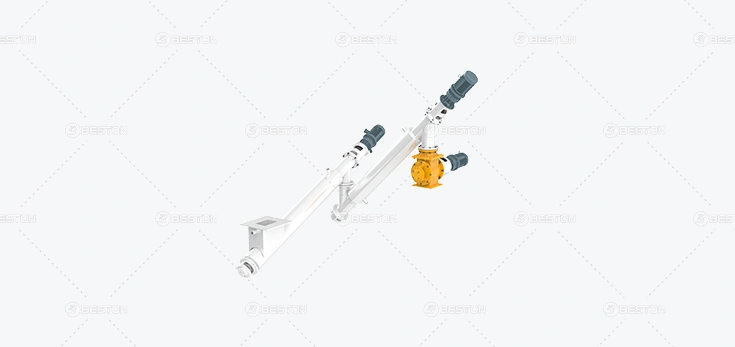
Discharge Screw
Features built-in water cooling to continuously discharge high-purity, cooled biochar without dust leakage or risk of re-ignition.
⚙️ Installation Notes: Ensure screw shaft concentricity error ≤ 1mm and check cooling water lines for zero leakage.
How Does Portable Biochar Maker Work?
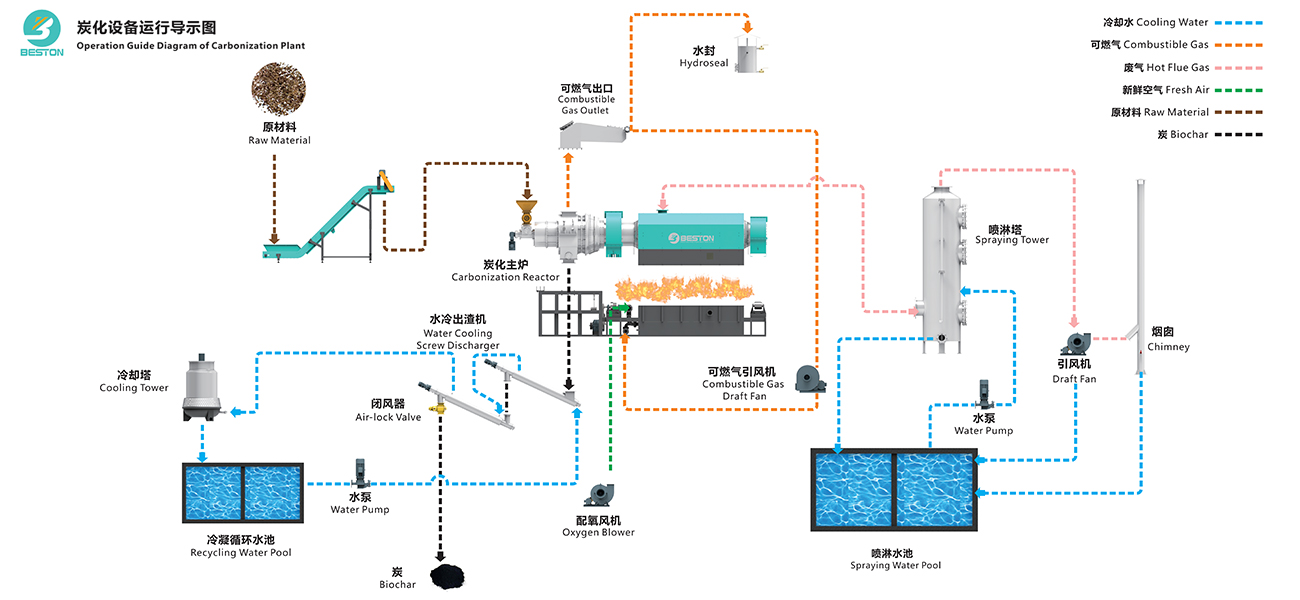
Step1 Raw Material Feeding
The high-angle belt conveyor transports the biomass that meets the feeding requirements to the spiral feeding system. Then, the biomass enters the biochar reactor.
Note: The biomass must meet the following feeding requirements: Moisture content: less than 15% | Size: within 20mm
Step2 Biochar Formation
In the process of biochar formation, biomass goes through the following three stages:
- Drying: temperature about 150℃. The external and internal moisture of the raw material evaporates.
- Endothermic pyrolysis: temperature 220-250℃. The raw material begins to thermally decompose and release gas products (such as CO, CO2, H2S, etc.).
- Carbonization: temperature 280-450℃, polymerization and thermal decomposition occur, and a large amount of volatiles (such as methanol, ethylene) precipitate from the raw material.
After the various components are separated from the biomass, a stable carbon residue is formed: biochar.
Step3 Combustible Gas Recovery
Biogas produced in the portable biochar kiln is flammable. The gas passes through the water seal to form clean combustible gas. The combustible gas enters the combustion system through the pipeline to provide heat energy for the reaction. The excess gas is cleaned by the spray tower and then discharged.
Step4 Biochar Collection
The water-cooled screw conveyor quickly cools the biochar for efficient and safe collection. This collection method ensures that biochar does not come into contact with hot smoke.
What Benefits Can Mobile Biochar Machine Deliver for Your Biomass Project?
If scattered biomass waste is challenging your farm operations, our portable biochar maker can deliver direct value for your project:
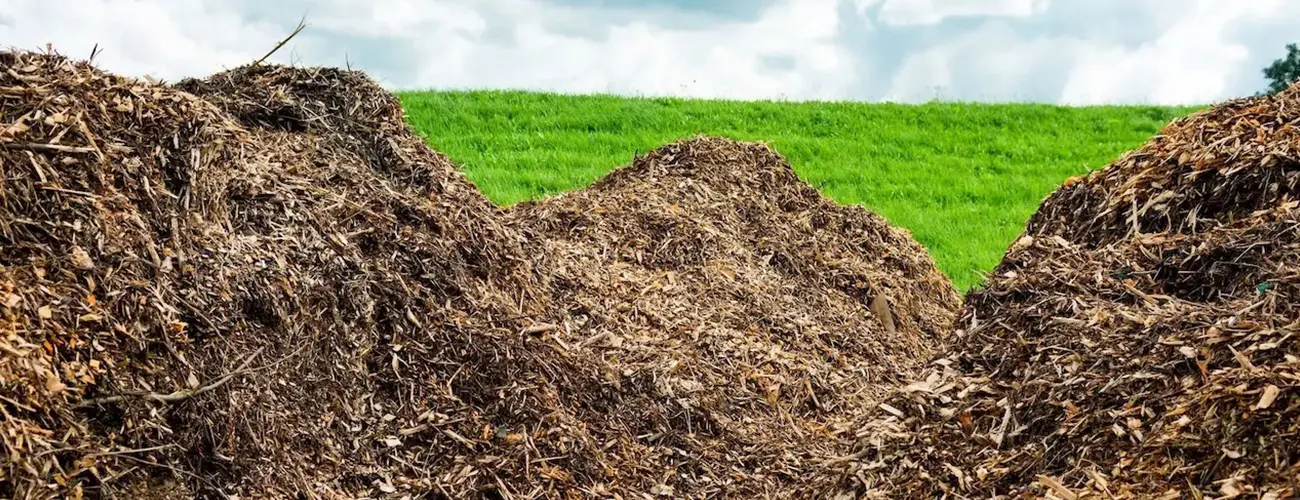
Cutting Logistics & Transport Costs
Long-distance transportation of bulky waste and crop residues significantly increases transit expenses. Our mobile design enables immediate on-site processing, eliminating unnecessary costs and travel time.
Eliminating Fire Risks & Smoke Complaints
To save effort, operators often burn accumulated biomass on-site, causing fire hazards and smoke complaints. Our portable biochar kiln safely converts waste piles into biochar right where they are located, avoiding environmental risks.
Creating Immediate Value for Local Soils
Biochar is a powerful soil conditioner. Producing it on-site lets you return rich organic carbon directly to nearby land—improving soil structure, locking in moisture and nutrients, and boosting crop yields with zero freight costs.
Mobile Biochar Machine Serves Various Industries
BST-06 Quicker mobile biochar unit is specifically suitable for project investors, plant operators, and environmental startups looking for flexible operation and rapid project validation without high initial investment. Its mobile design serves four key industries:
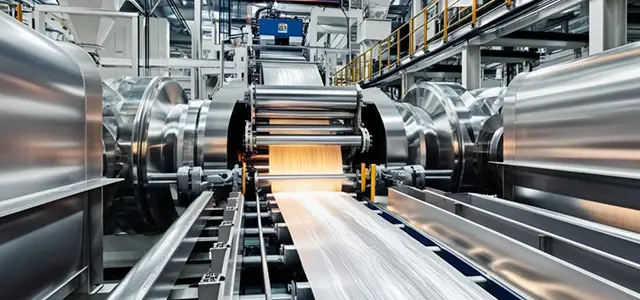
Metals & Industrial Manufacturers
Iron ore, stainless steel, silicon, and ferroalloy producers aiming to meet environmental standards and reduce carbon tax costs. The system allows them to test bio-coke replacement directly on-site to decarbonize their smelting process.
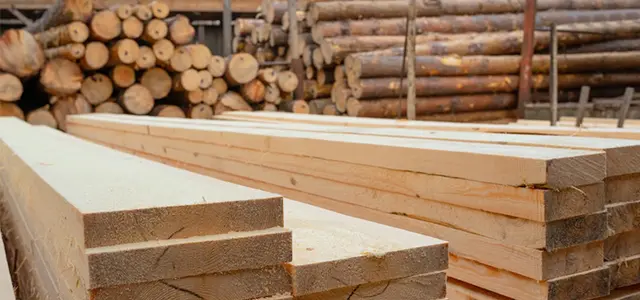
Wood & Biomass Processors
Sawmills, furniture factories, biomass pellet plants, and bio-power facilities. This mobile unit enables managers to turn wood waste and processing residues into valuable biochar where the waste is created.
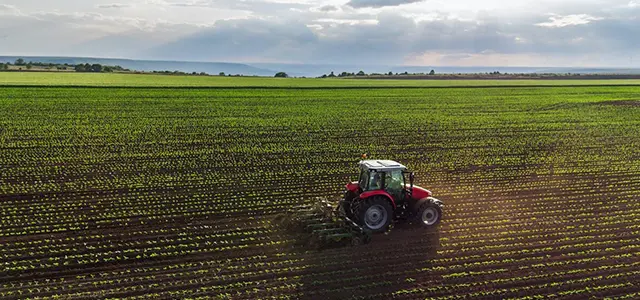
Plantations & Large Farms
Palm plantations, coffee estates, corn/wheat farms, and agriculture cooperatives facing strict waste regulations. Operators can process field waste locally, avoiding heavy transport costs while producing quality biochar.
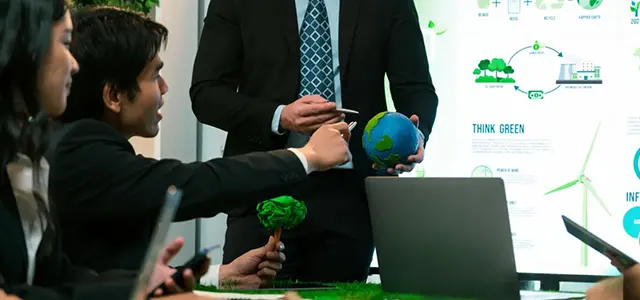
Environmental & Tech Startups
Early-stage green startups and project developers seeking fast verification in the voluntary carbon market. The machine helps them quickly set up pilot projects, produce biochar, and generate verified carbon credits in 90 days.
Get Started with Mobile Biochar Machine to Launch Your CDR Journey
Beston mobile biochar machine (BST-06 Quicker) combines mobility with industrial-grade pyrolysis standards, providing project investors with a low-risk, highly efficient solution for small-scale biochar testing and fast carbon credit monetization. Follow us on LinkedIn to receive event highlights and registration details for our upcoming October 15, 2026, Official Launch Event in Zhengzhou!