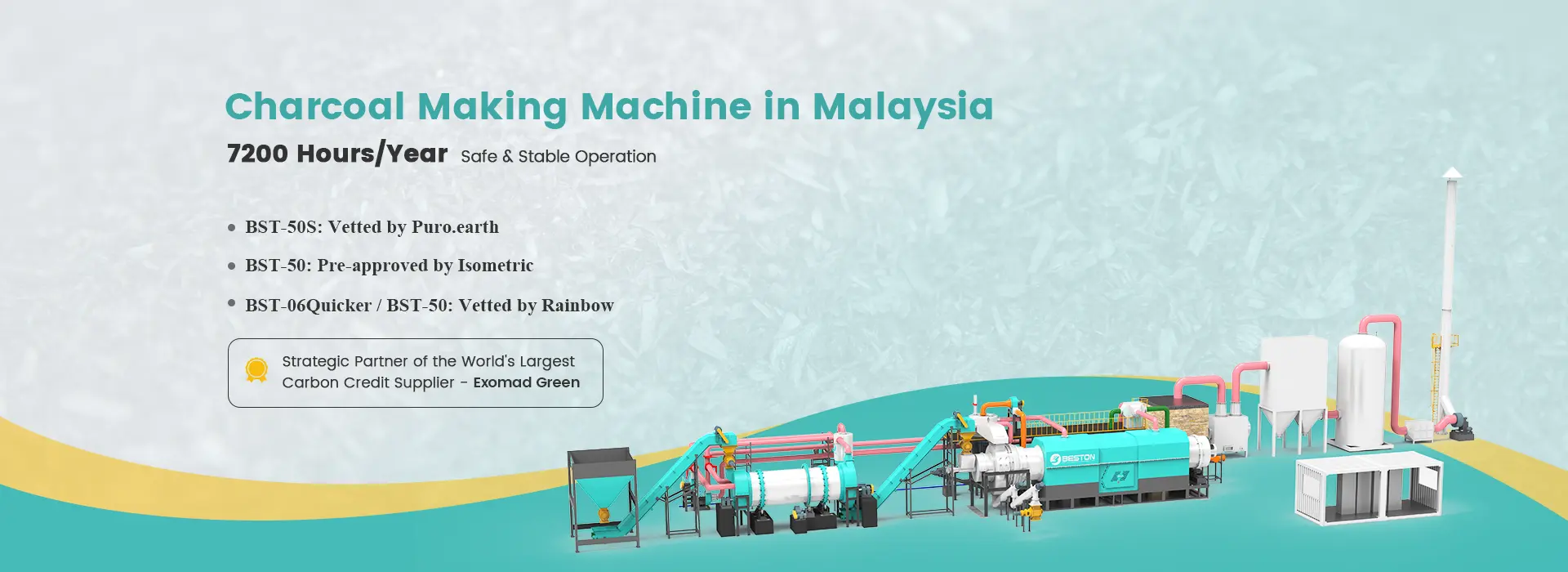
Charcoal making machine in Malaysia effectively converts local biomass waste into premium charcoal and biochar. Currently, Beston Group has delivered and commissioned multiple charcoal making plant projects across Malaysia and the broader Southeast Asia region. Leveraging mature pyrolysis technology and extensive regional experience, our solutions are widely adopted by local companies to process biomass waste like palm kernel shells and coconut shells while achieving high returns.
Charcoal Making Machine in Malaysia for Sale — Customizable Solutions
Available in various capacities to fit your output requirements. Each model offers flexible, customized configurations to suit Malaysia’s tropical climate and local raw material characteristics. All components are customizable to suit your budget and special needs.
- Drying System: Customize multi-stage dryers to handle local high-moisture biomass like palm kernel shells and coconut shells.
- Exhaust Gas Treatment System: Customized to comply with both Department of Environment (Malaysia) regulations and local government standards.
- Other Components: Custom engineering is available for any requirements, like reactor steel material, water-cooled discharging system.
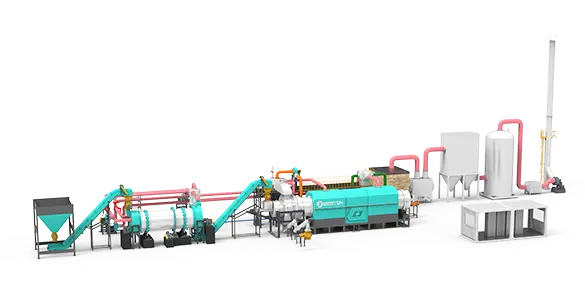
BST-50: Industrial-scale Model
- Vetted by Puro.earth, Rainbow, pre-approved by Isometric
- 6,000 tons charcoal production annually
- 7200H/Y stable&safe operation
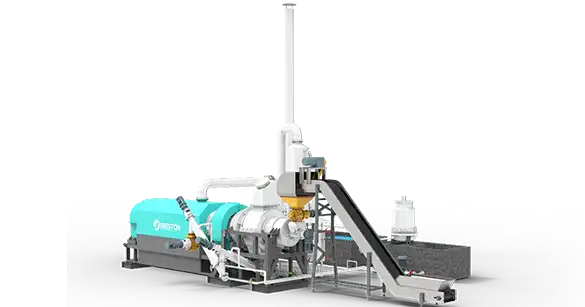
BST-06Quicker: Pilot-scale Model
- Vetted by Rainbow
- 8-hour rapid installation and deployment
- Movable design allowing 8-hour disassembly and reassembly
| Model | BST-50 Standard | BST-50 Max | BST-50S | BST-06 Quicker |
|---|---|---|---|---|
| Operating Mode | Continuous | Continuous | Continuous | Continuous |
| Application | Commercial-scale | Commercial-scale | Commercial-scale | Pilot Testing |
| Certification Platform | Isometric, Rainbow | Isometric, Rainbow | Puro.earth, Isometric, Rainbow | Rainbow |
| Reactor Material | Staineless Steel 304 | Staineless Steel 304 | Staineless Steel 310s | Staineless Steel 304 |
| Feedstock Moisture | Below 15% | From 15% to 55% | From 15% to 55% | Below 15% |
| Feedstock Size | 5-20mm | 5-20mm | 5-20mm | 5-20mm |
| Feeding Capacity (only for pyrolysis) | 10-15m³/h | 10-15m³/h | 10-15m³/h | 100-200KG/H |
| Max. Pyrolysis Temperature (Combustion Chamber) | 650℃ | 650℃ | 700℃ | 650℃ |
| Residue Retention Time | 15-20 minutes | 15-20 minutes | 15-20 minutes | 15-20 minutes |
| Operating Pressure | -20 - 0 pa | -20 - 0 pa | -20 - 0 pa | -20 - 0 pa |
| Cooling Method | Water | Water | Industrial Refrigeration Units | Water |
| Exhasut Gas Treatment | Standard | Standard | High Performance | Standard |
| Biochar Temperature | 45℃ | 45℃ | 45℃ | 45℃ |
| Annual Operating Hours | >7200hrs | >7200hrs | >7200hrs | >7200hrs |
| Service Life | 5-8 years | 5-8 years | 8-10 years | 5-8 years |
| Land Space Required (L*W*H*m) | 35*15*8 | 65*15*8 | 65*15*8 | 35*15*8 |
| Power Consumption | 121kw/h | 270-288kw/h | 270-304kw/h | 25.1kw/h |
| Water Consumption | 5-7m³/day | 5-7m³/day | 0 | 3-5m³/day |
| Fuel Consumption | 220-260m³/h | 220-260m³/h | 220-260m³/h | 30-50m³/day |
| Installation Period | 60 days | 60 days | 60 days | 7 days |
Multiple Customer Cases: Charcoal Making Machines Running in Malaysia
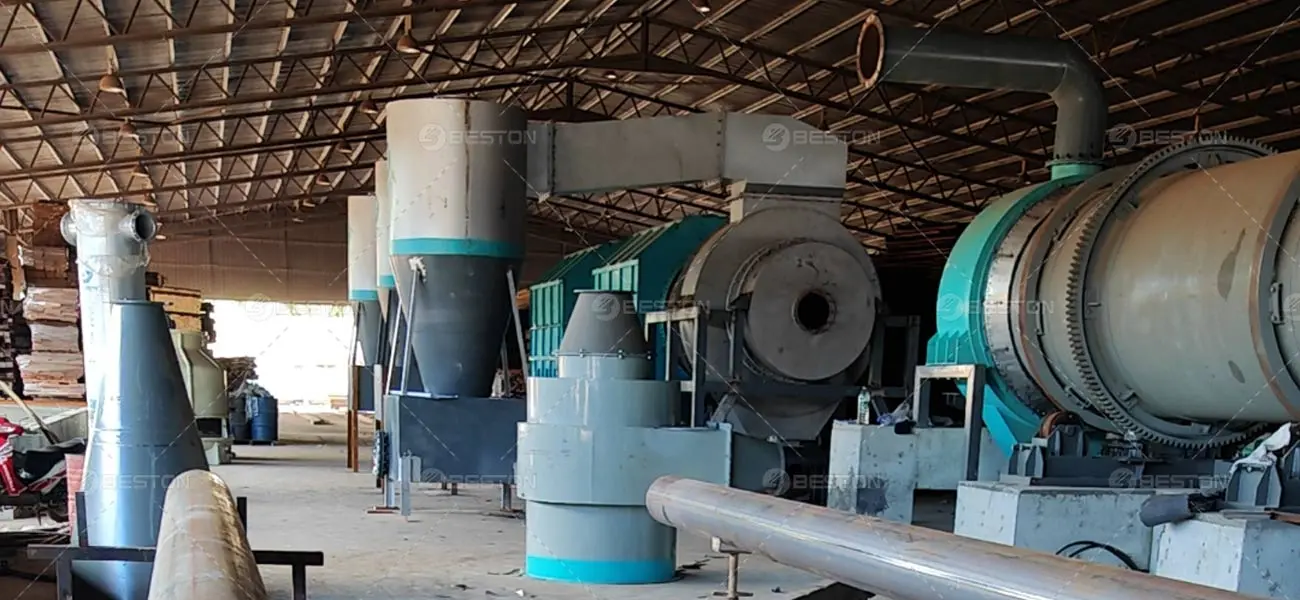
Case 1: Industrial-Scale Wood Carbonization Project
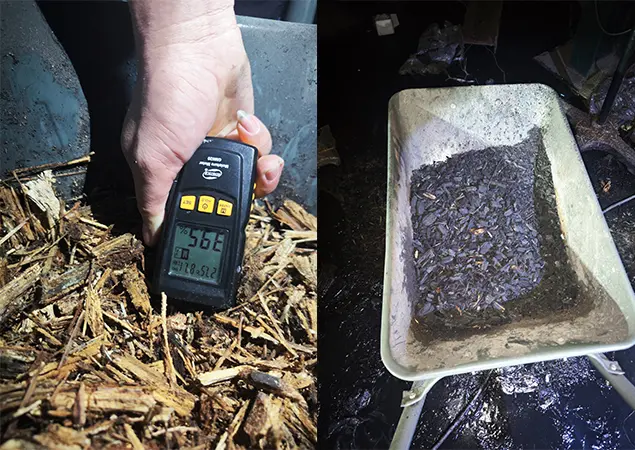
A Malaysian company launched biochar production to trade charcoal and develop carbon credit businesses. As early as 2023, they were bullish on the prospects of the carbon sequestration sector. New to the charcoal industry, the client adopted a pragmatic long-term strategy: start with conventional charcoal production for local sales, then gradually expand into the carbon credit sector as the business matured.
- Project Initiated: 2023
- Raw Material: Wood residues from a local lumber mill (moisture content: 30%–40%)
- Feeding Capacity: ~70 tons per day
- Biochar Output: ~20 tons per day
- End-Product Use: Supply charcoal to local market and develop carbon credit trading
Case 2: Bark Carbonization Pilot Project
A Malaysian sago starch processor recycled sago bark into charcoal. Working alongside local government, the company launched a pilot project to validate process feasibility. A larger carbonization line is planned once the trial is confirmed successful.
- Project Initiated: 2025
- Raw materials: Sago bark
- Feeding Capacity: 1-2 tons per day
- End-Product Use: Charcoal for fuel. The business may later expand into biochar carbon removal and soil improvement.
Case 3: Palm Silk Carbonization Project
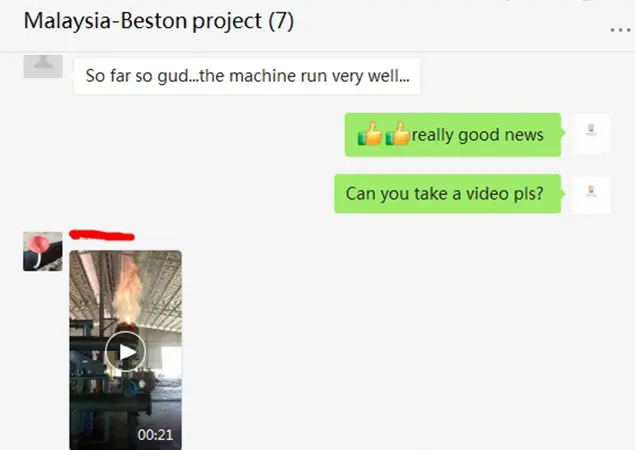
A Malaysian client operated a traditional kiln but sought higher output and better efficiency. After upgrading to Beston continuous biochar production equipment, the transition proved seamless, with the client noting: “So far so good, the machine runs very well.”
- Project Initiated: 2021
- Raw materials: Palm silk (moisture content: 40%–50%)
- Feeding Capacity: ~70 tons per day
- End-Product Use: Charcoal for fuel.
Abundant Biomass in Malaysia: Best for Commercial Charcoal Production
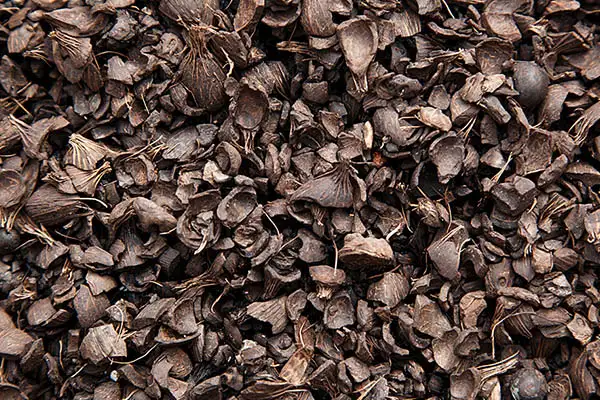
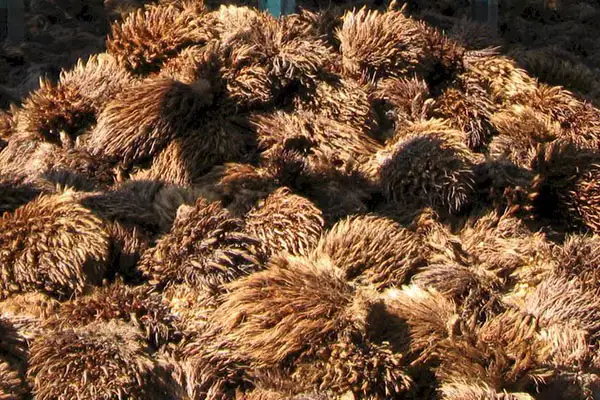
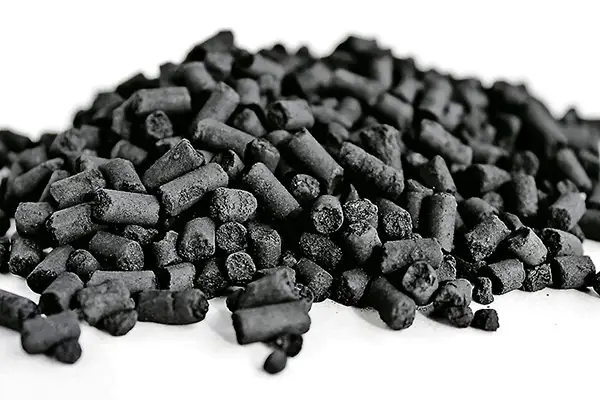
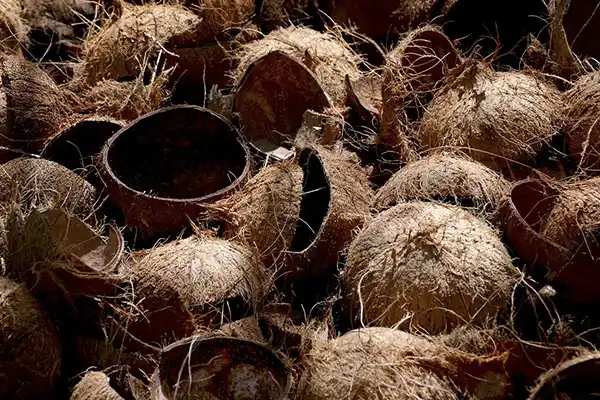
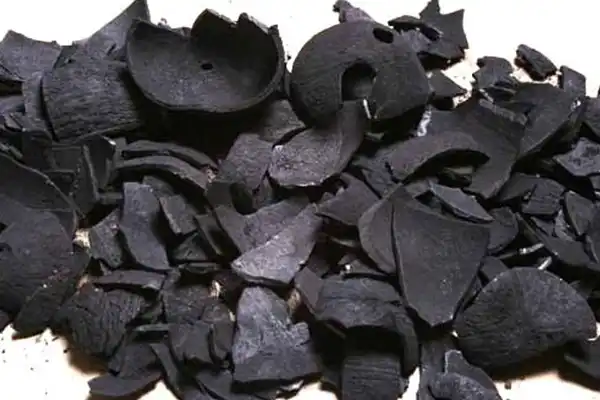
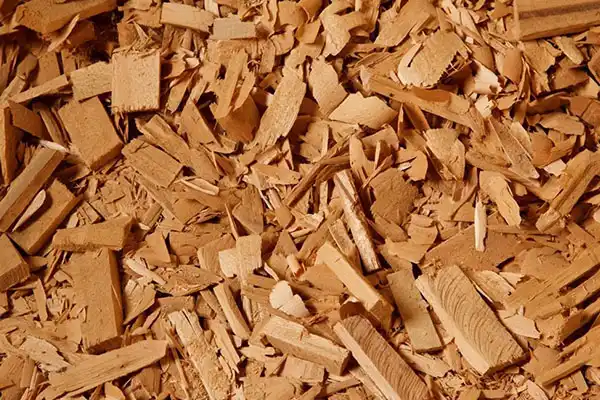
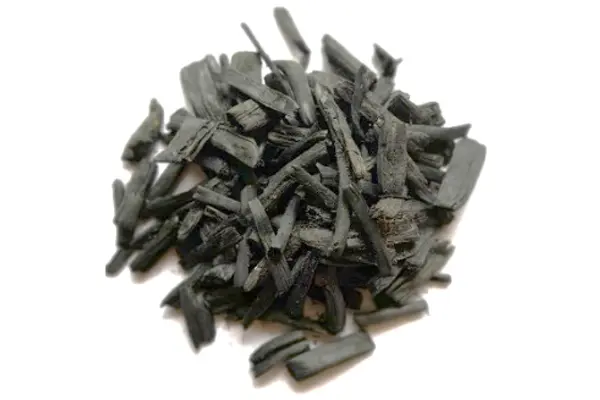
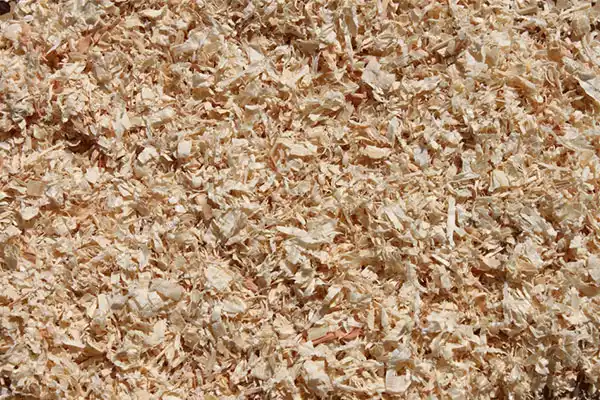
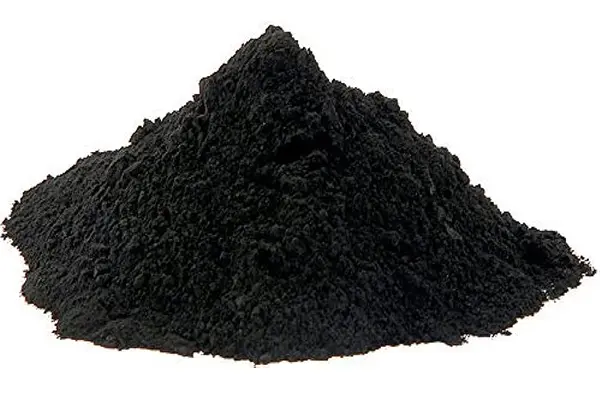
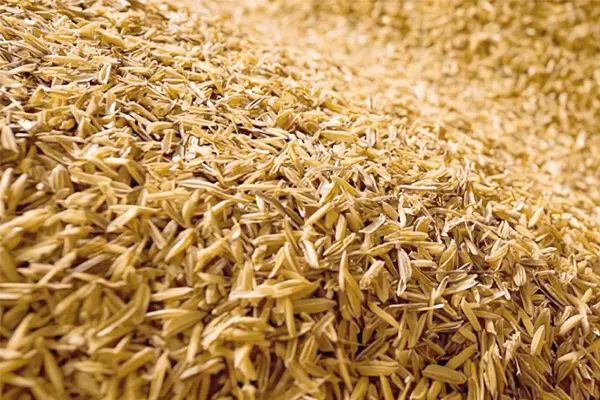
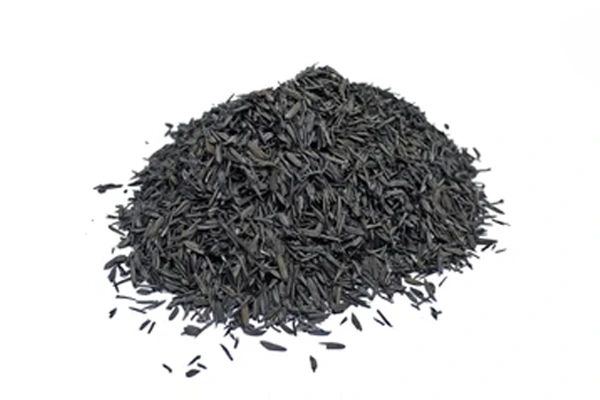
Malaysia’s rich agricultural landscape yields massive biomass waste annually. This includes palm kernel shells, empty fruit bunches (EFB), and coconut shells, as well as wood chips, sawdust, rice husks, and bamboo. Our charcoal making machine in Malaysia is engineered with customizable configurations to perfectly adapt to the moisture, density, and fiber structures of all these local agro-residues, turning regional waste into high-value charcoal.
Significance of Charcoal in Malaysia – Applied in Various Fields
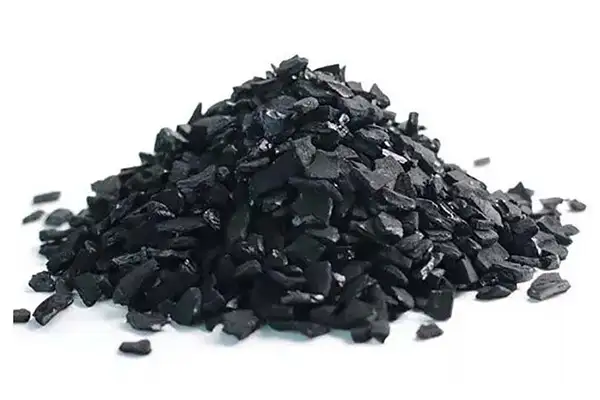
Charcoal can be widely used in Malaysia. In addition to its own economic value, it also makes an important contribution to the sustainable energy development of Malaysia. Below are some of the main application areas for charcoal.

Soil Improvement
Adding biochar to soil can increase soil organic matter content and improve soil water retention and permeability. In addition to that, biochar from biomass pyrolysis machine can absorb and hold nutrients. This helps improve crop growth.
Biochar Carbon Removal (BCR)
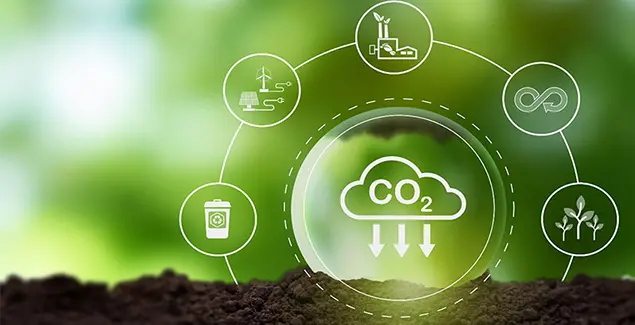
Biochar applied in soil improvement, animal feed additives, and green construction materials is recognized as a carbon removal project. Once certified, such projects can sell carbon credits on the carbon market.
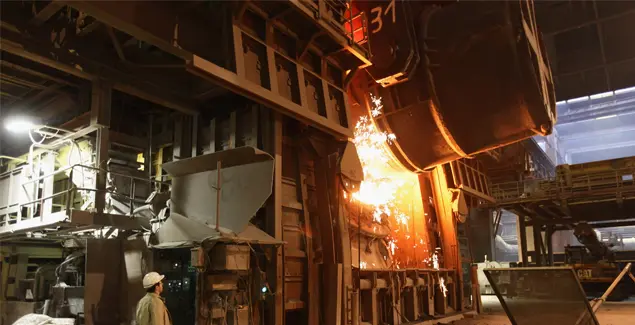
Metallurgical Charcoal
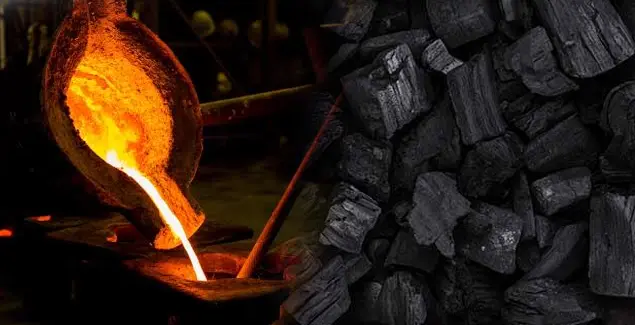
Charcoal serves as an alternative carbon material for metallurgical applications. During metal smelting, it functions as a reducing agent and heat generator. It is an indispensable raw material for the production of cemented carbide and special steel.
Industrial Fuel
Charcoal acts as a high-energy-density industrial fuel for metallurgy, ceramics, glass production, and other heating and drying processes. It is an ideal alternative to traditional fossil fuels, helping advance industrial decarbonization.
How Does Charcoal Making Machine in Malaysia Work?
Comparison Of Traditional Charcoal Kiln & Modern Carbonization Furnace
Investing in modern carbonization equipment is the most effective strategy for Malaysian enterprises to maximize ROI from local biomass by replacing traditional, low-efficiency kilns with automated, high-yield pyrolysis systems. The following comparison will let you understand their differences better.
| Feature | Charcoal Kiln | Beston Modern Carbonization Machine |
|---|---|---|
| Technology Level | Low-tech, traditional method | High-tech, automated system |
| Temperature Control | Poor control depends on operator experience | Precise control via sensors and automation |
| Production Efficiency | Low to moderate | High and consistent |
| Carbonization Time | Long (several days) | Short (hours) |
| Charcoal Yield | Lower due to incomplete carbonization | Higher with optimized process |
| Energy Use | Inefficient combustion, often wood-fired | Energy-efficient, may recycle syngas |
| Product Quality | Inconsistent quality | Uniform high-quality charcoal / biochar |
| Operating Cost | Low but inefficient | Higher efficiency reduces long-term cost |
| Scalability | Limited small-scale use | Suitable for industrial large-scale production |
| Environmental Impact | Higher pollution and waste | More environmentally friendly with emission control |
| Certification & Biochar Application & Profitability | Not certified; limited fuel use; low value chain | Pass Puro.earth / Isometric technical vetting (BST-50 series); expand higher-value biochar applications – carbon removal (CDR); |


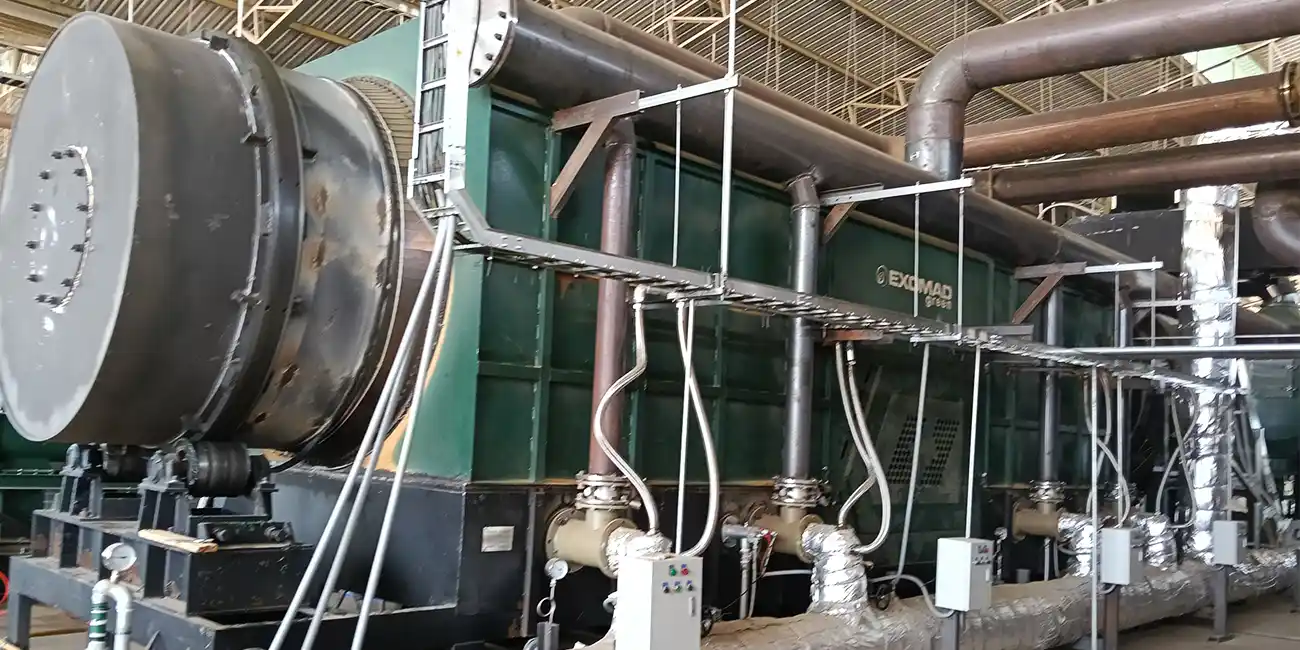
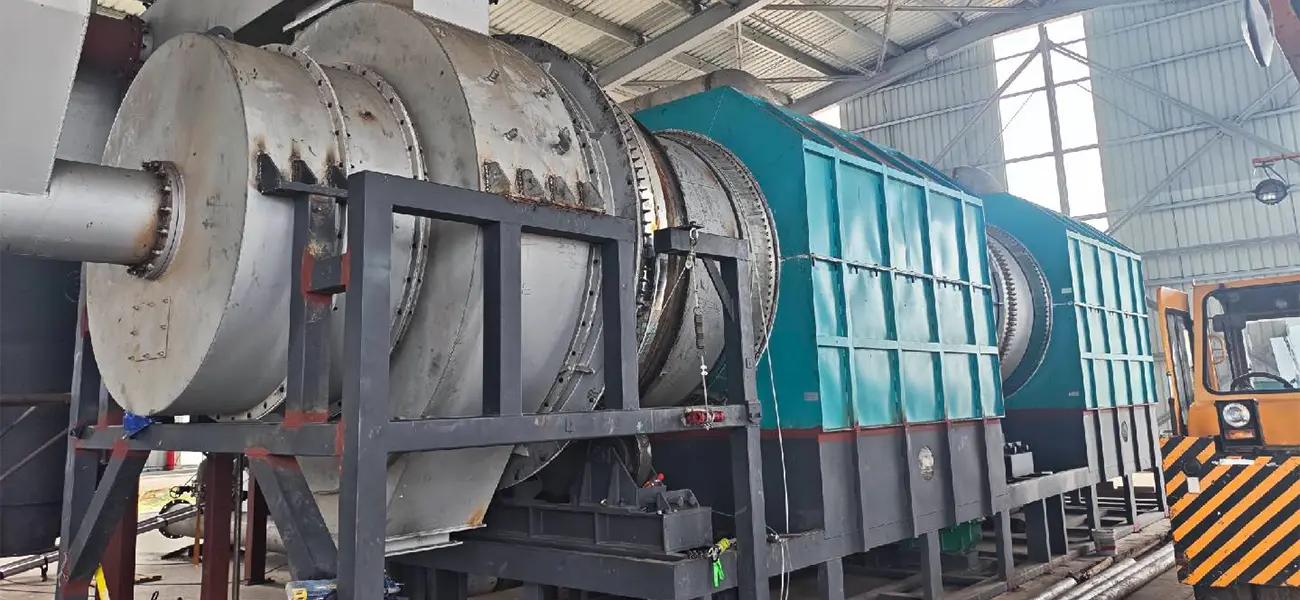
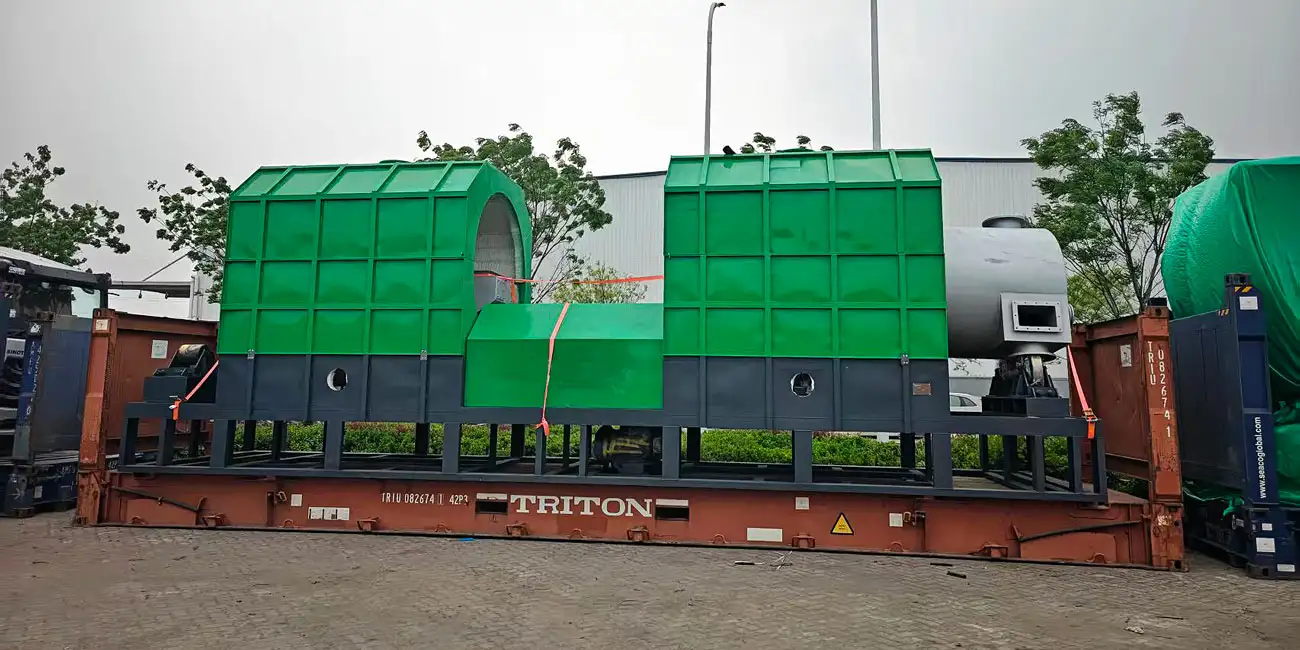
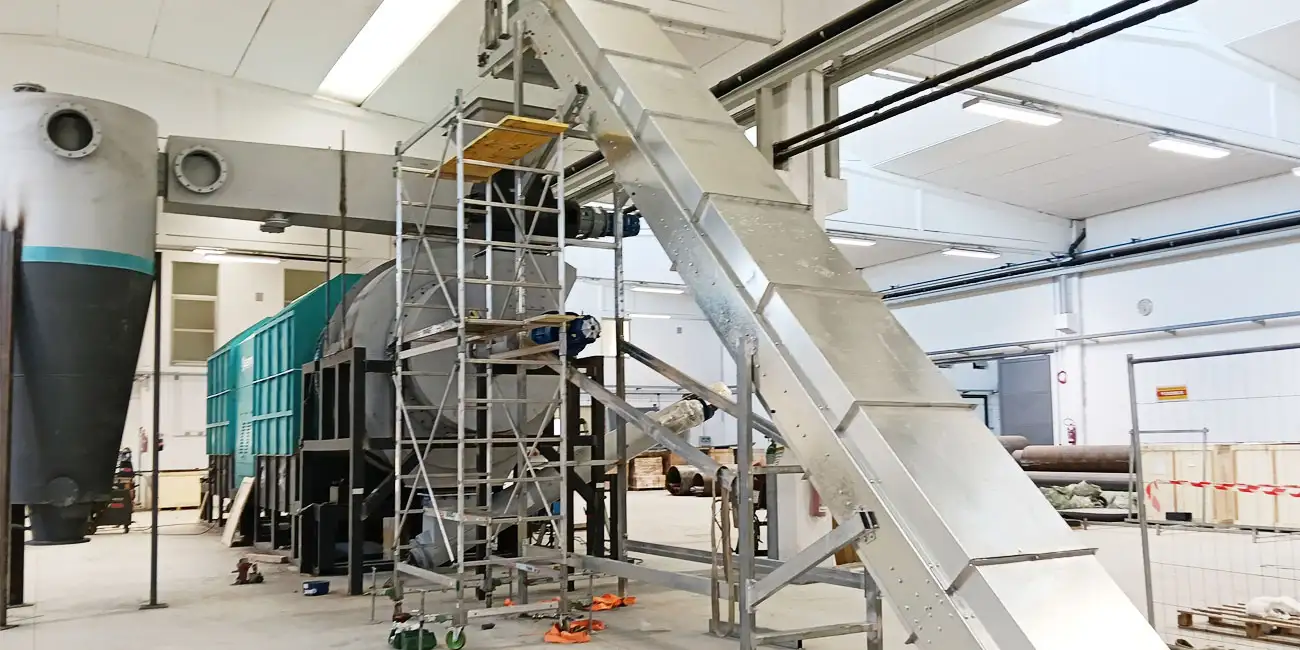
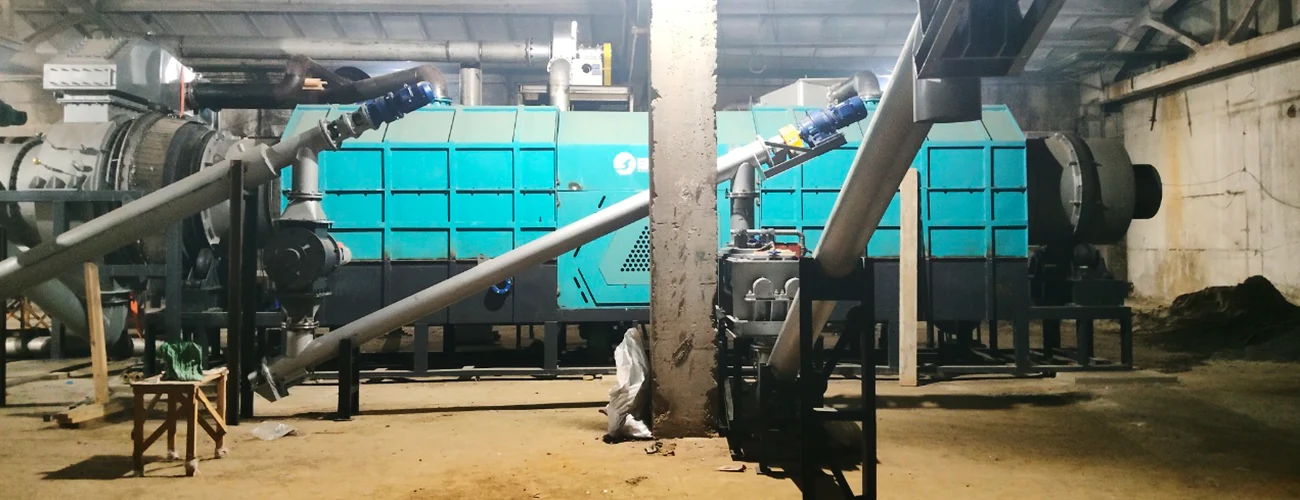
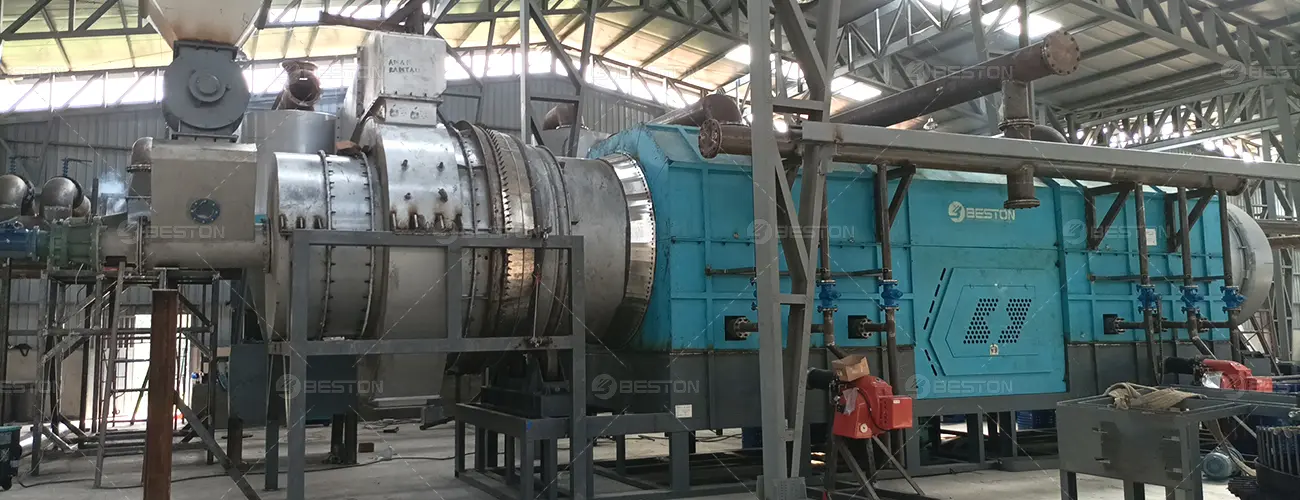
More Global Cases Of Beston’s Charcoal Making Machine



Charcoal Production is a Solid and Promising Investment in Malaysia
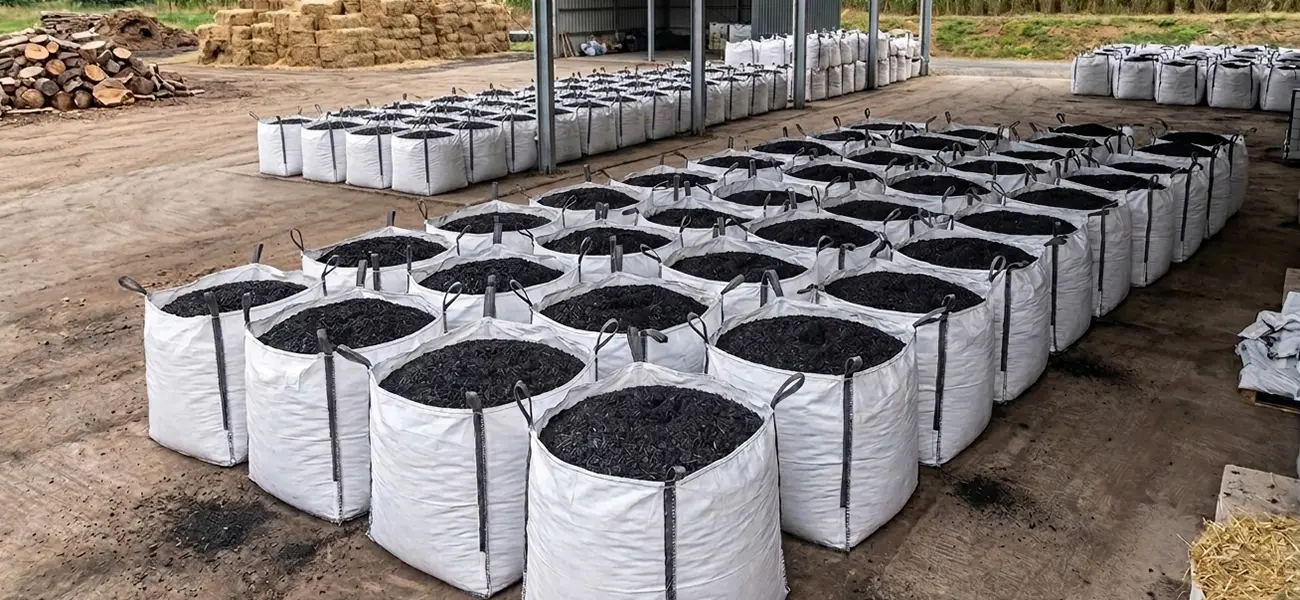
Charcoal production in Malaysia is undergoing a massive transformation, shifting from traditional, low-efficiency manufacturing to a modern, high-return green industry. Driven by robust market demand for premium charcoal and local unique biomass resource advantages, investing in a charcoal making machine in Malaysia offers a highly resilient, lucrative opportunity.
Massive and Stable Export-Driven Markets
Malaysian charcoal commands high competitiveness globally, with its international trade standing rising year after year.
- High-Value Export Destinations: The primary export market for Malaysian charcoal is Japan, followed closely by China, South Korea, and Singapore. These countries maintain long-term, rigid demand for premium charcoal and are willing to pay significant price premiums.
- Robust Regional Export Channels: Port Klang and Port Tanjung Pelepas in Malaysia offer highly competitive freight rates to East Asian markets. Multiple established charcoal trade agents based in Kuala Lumpur and Johor Bahru actively source charcoal from local producers.
Abundant and Low-Cost Raw Material Supply
The core of charcoal production lies in raw material sustainability and cost control. As a major global agricultural and forestry nation, Malaysia possesses incomparable biomass waste resources:
- Palm oil industry waste: As the world’s second-largest palm oil producer, Malaysia generates millions of tons of empty fruit bunches (EFB), palm kernel shells (PKS), and palm trunks annually. These wastes are low-cost raw materials for producing biochar/charcoal.
- Forestry and wood processing waste: With over 55.3% forest coverage, Malaysia’s thriving timber and furniture industries produce massive daily volumes of sawdust and hardwood offcuts, ensuring an inexhaustible supply for high-quality charcoal.
Reliable Solution and Service for Our Malaysian Customers
We understand the operational challenges of deploying large-scale industrial machinery. To ensure a worry-free investment, Beston Group provides targeted solutions focusing on international compliance and seamless engineering support:
ISO & CE Certified Quality
Every carbonization system is manufactured under strict international quality standards, carrying official ISO and CE certifications to ensure seamless local environmental permit approvals in Malaysia.
Expert Installation Support
Your project is fully backed by comprehensive English technical manuals, customized factory layout designs, and professional on-site engineer deployment for commissioning.

Start Your Charcoal Making Business With Beston Group in Malaysia
In conclusion, charcoal making machine in Malaysia plays a vital role in sustainable resource utilization and renewable energy production. This machine provides a practical and eco-friendly solution for the management of organic waste. Running charcoal making machine in Malaysia is a profitable business. If you want to set up your own charcoal production project, working with Beston Group can provide you with suitable equipment and professional technical support. Welcome to consult us on LinkedIn for solutions.