INDUSTRY NEWS
Come To Learn About The Latest Information On Waste Recycling Industry!
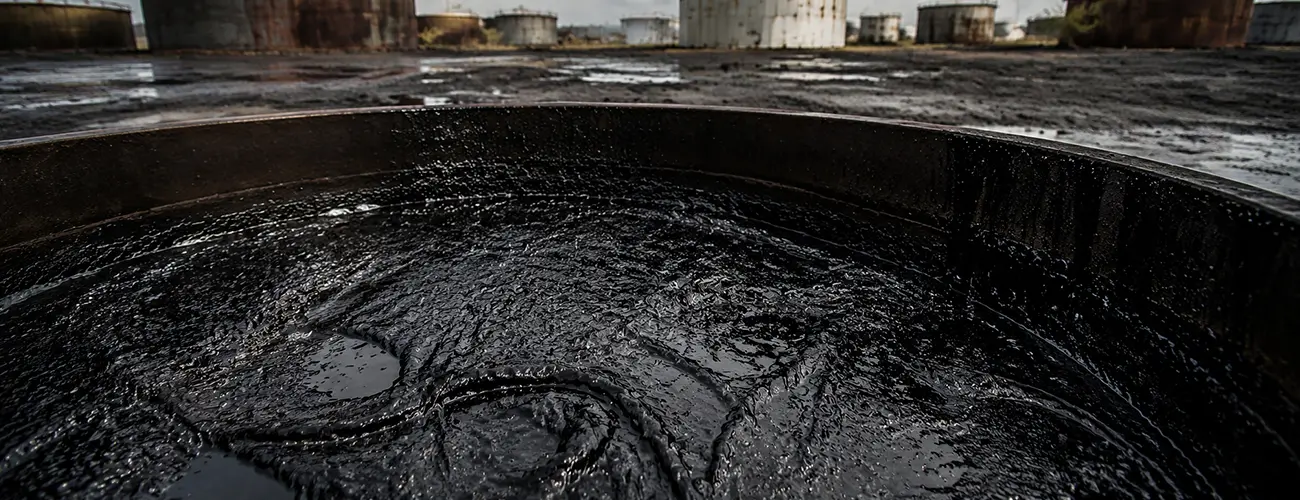
Oil Sludge Waiting for Treatment

What Controls Success in Oil Sludge Treatment? Mastering the Critical Variables of Thermal Desorption

As environmental regulations tighten, Thermal Desorption (TD) has become the “Gold Standard” for transforming hazardous oil sludge into valuable resources. However, achieving peak efficiency is a complex engineering challenge. The success of a thermal desorption project depends on a delicate interplay of several critical factors, ranging from the chemical nature … Read more

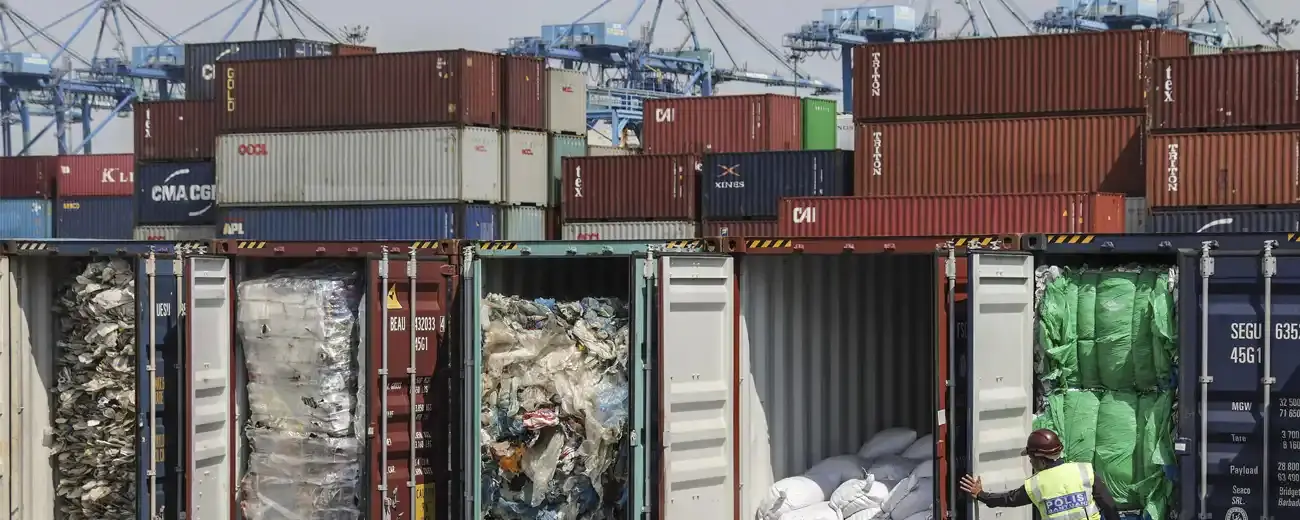
Transboundary Shipments of Plastic Waste

2026 EU Plastic Waste Export Ban Countdown: Optimal Timing for Pyrolysis Deployment

In November 2026, the new EU Waste Shipment Regulation (WSR) will fully ban the export of plastic waste to non-OECD countries. At that time, millions of tonnes of low-grade plastic waste annually will no longer be eligible for transboundary shipment and disposal, and must be treated and recycled within the … Read more

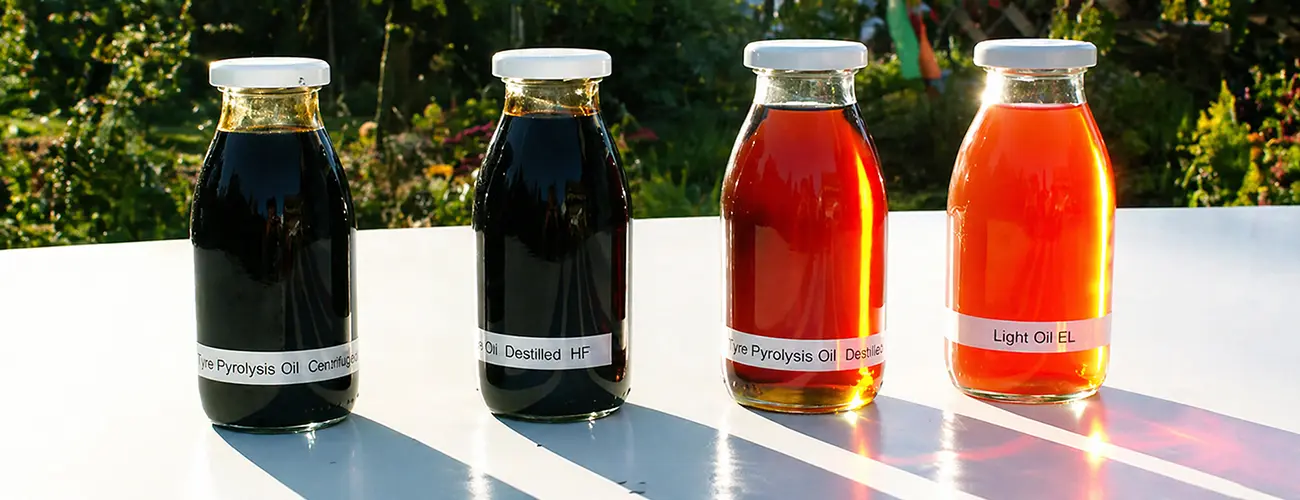
Waste Tyre Pyrolysis Oil

Tyre Pyrolysis Oil

Pyrolysis technology transforms waste tires and rubber into high-value resources, primarily pyrolysis oil (TPO) and carbon black. As global industries pivot toward circular economy models, these end-products have evolved from mere recycled outputs into essential industrial feedstocks. In this guide, we provide a technical overview and market analysis of tire … Read more

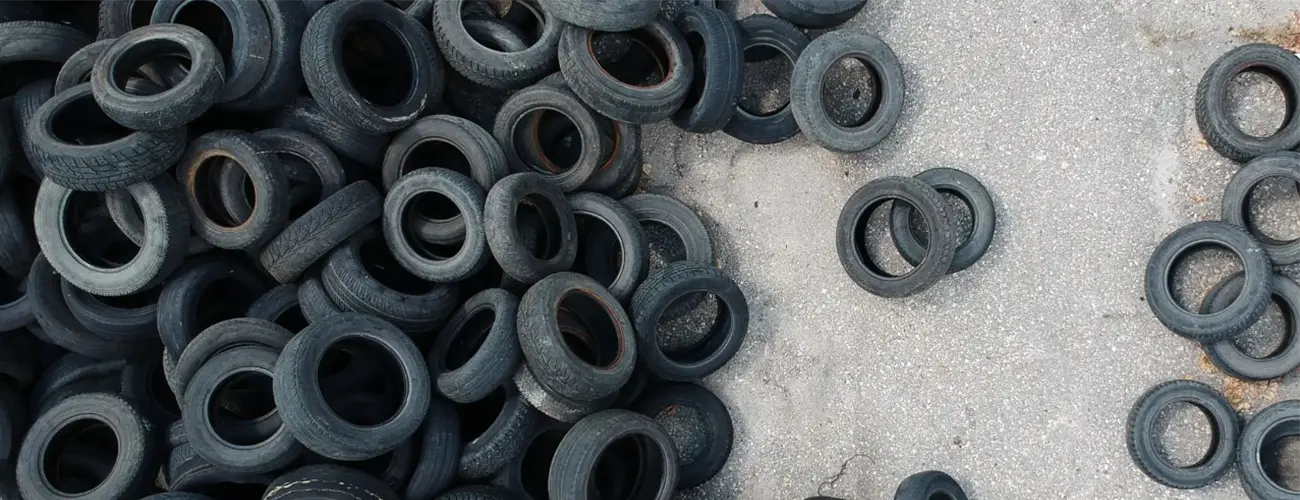
End of Life Tyres

Scrap Tire Recycling: A Full Guide to Materials, Standards, and Solution

With its massive volume and easy accessibility, tire recycling has become a cornerstone of the waste to resource industry. But what exactly defines a tire as waste, and what criteria trigger its retirement? More importantly, why is this rubber debris so valuable? Let’s explore the standards of tire disposal and … Read more

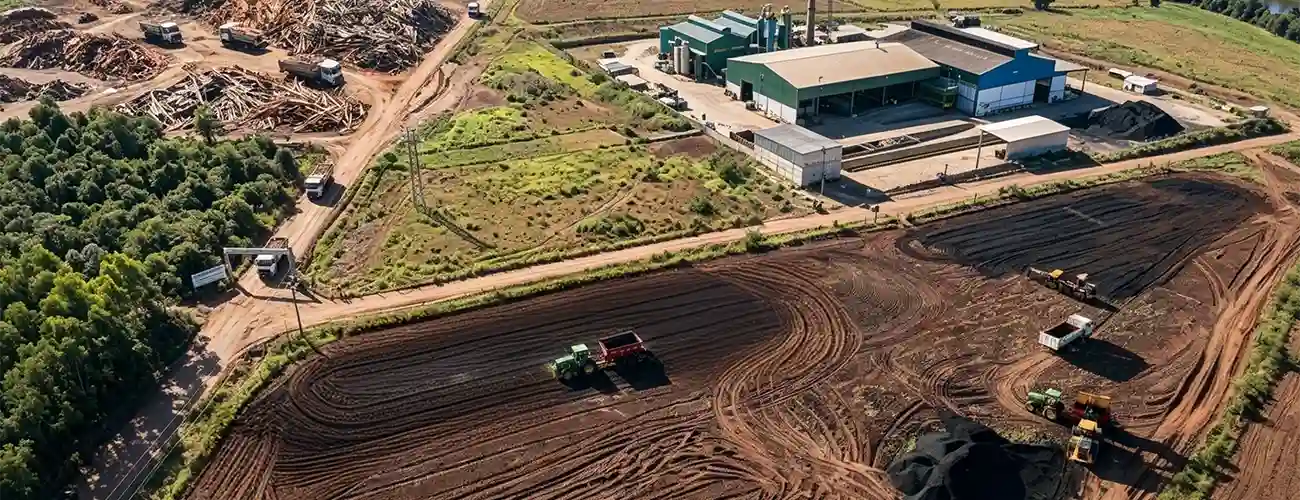
Biochar Production and Storage Site

Comprehensive Analysis of Biomass Carbon Removal and Storage Pathways

Biomass Carbon Removal and Storage (BiCRS) is a carbon removal technology pathway that utilizes photosynthesis to fix atmospheric CO₂, followed by engineering processes to permanently store the carbon in biomass in a durable form. Unlike purely bioenergy production, the core goal of BiCRS is carbon removal, while simultaneously generating co-benefits … Read more

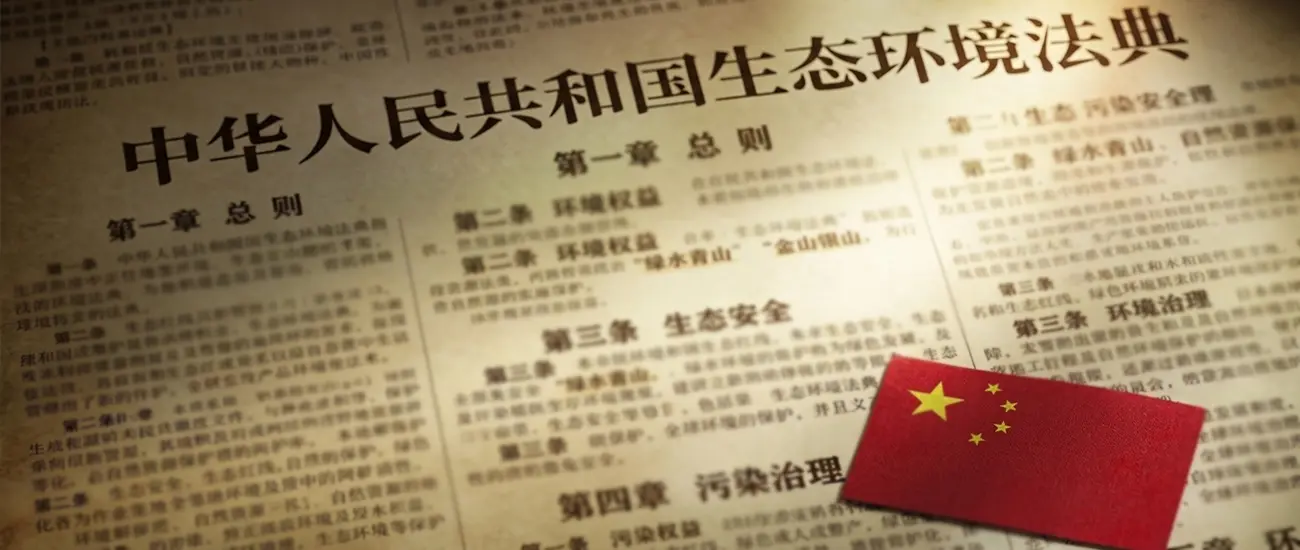
China Ecological and Environmental Code

The 2026 Great Reset: How New Global Laws are Redefining Oil Sludge Treatment

In 2026, a wave of global environmental laws in March and April transformed oil sludge disposal into a high-value sector. New mandates in China, the US, and the EU have replaced fragmented policies with strict recovery requirements. This regulatory shift has turned waste management into a strategic opportunity for resource … Read more

Pyrolysis Oil Price Index

Decoupling from Crude Oil Prices: The Era of Independent Pyrolysis Oil Pricing Indexes Is Here

Pyrolysis oil is the primary product resulting from the thermal conversion of organic solid wastes, such as waste plastics and discarded tires. Historically, its pricing was predominantly pegged to traditional petrochemical products, lacking an independent, standardized benchmark. However, with the global scaling of the circular economy and the chemical recycling … Read more

Modified Pyrolysis Carbon Black

Industrial Application Guide for Pyrolytic Carbon Black

In 2026, market prices for virgin carbon black are expected to remain elevated due to factors such as geopolitical tensions, imbalances in raw material supply and demand, and increasingly stringent environmental regulations. Pyrolytic Carbon Black (PCB) has consequently emerged as a strategic choice for rubber and plastics manufacturers seeking to … Read more

Indirect and Direct Thermal Desorption

Direct or Indirect? Selecting the Optimal Thermal Desorption Technology for Oil Sludge & Soil Remediation

In the specialized field of oil extraction and refining waste management, thermal desorption has become a globally recognized solution for contaminated soil and oil sludge treatment. While TD separates hydrocarbons via heat, the choice between direct and indirect heating fundamentally dictates efficiency and byproduct quality, which is a critical decision … Read more

Plastic Credits: Potential to Unlock “Second Growth Curve” for Chemical Recycling

Plastic pollution is a pressing global challenge, with policymakers, business leaders, and communities working to develop solutions. However, a significant funding gap hinders the transition to a circular plastics economy. As an emerging results-based financing tool, plastic credits offer a new way to connect public and private sector funding with … Read more