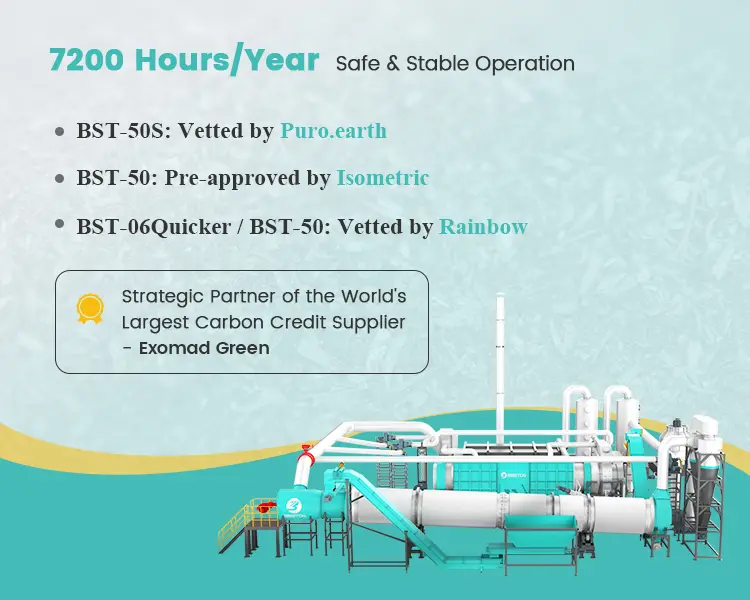
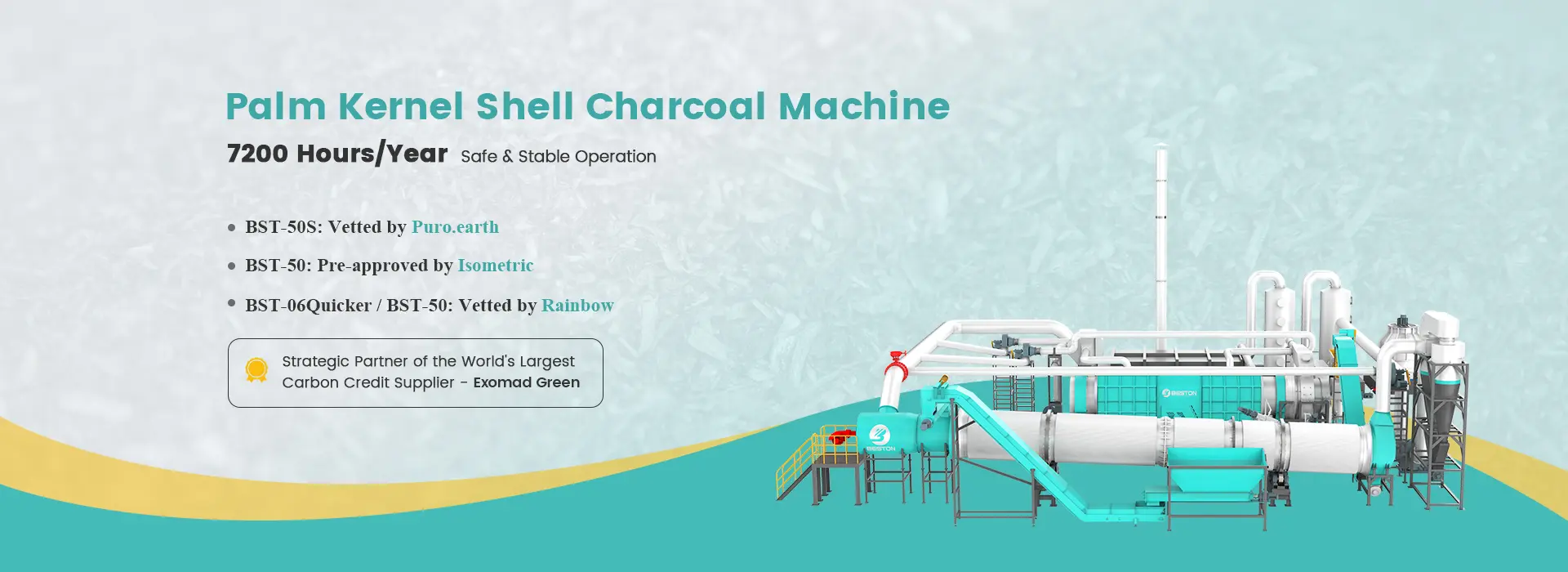
Palm kernel shell charcoal machine is very popular on the market now. The machine uses pyrolysis technology to make charcoal from palm kernel shells. Owing to the high value of palm kernel shell charcoal, this machine is highly rewarding and can help investors earn money from palm kernel shells. If you are interested in producing charcoal from palm kernel shells, keep reading to learn more details.
Puro.earth & Isometric & Rainbow Vetting: Empower Carbon Removal Project
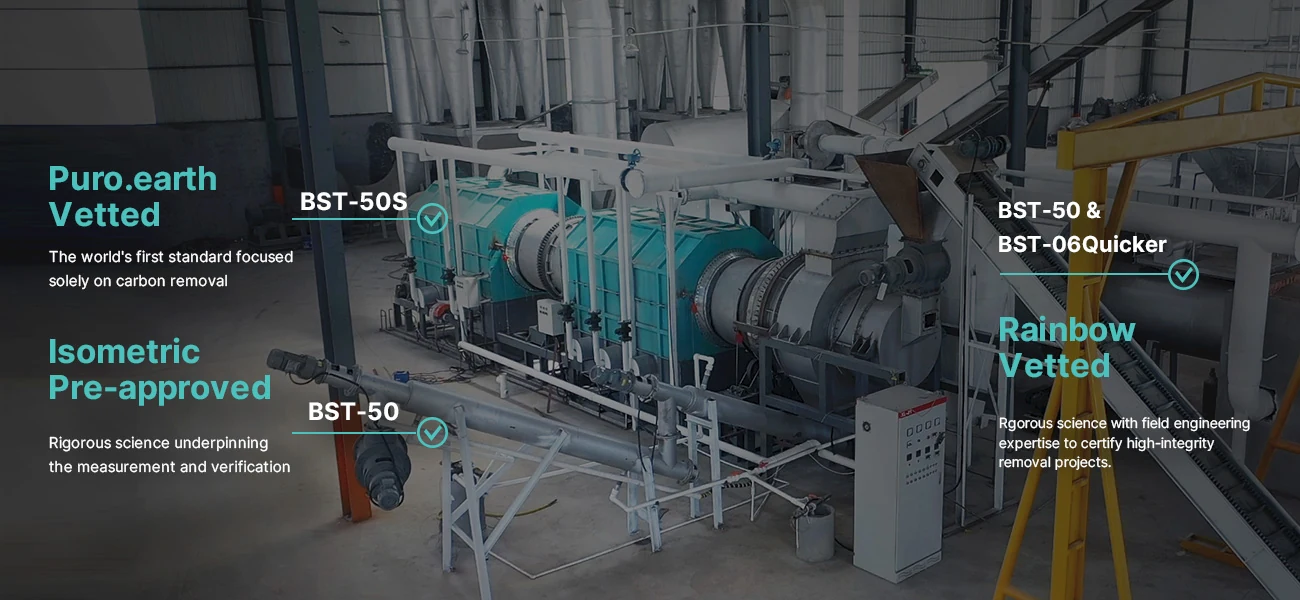
Beston Group is proud to be recognized as a technology partner by Puro.earth, Isometric and Rainbow, which are the world’s leading carbon removal crediting platforms. Explore how these benefit your investment.
| Date | Name | Vetting Model | Download |
|---|---|---|---|
| Dec 2024 | Puro.earth Evaluation Statement | BST-50S | Download |
| Feb 2026 | Isometric Pre-approval Statement | BST-50 | – |
| Jul 2026 | Rainbow Vetting Decision (BST-50) | BST-50 | Download |
| Jul 2026 | Rainbow Vetting Decision (BST-06Quicker) | BST-06Quicker | Download |
Enable Compliant Technology & Qualified Biochar Output
A vetted Beston biochar machine delivers EBC‑grade biochar and lowers project‑failure risks from technical non‑compliance.
- Technology Meets CDR Standard: Fully vetted biochar pyrolysis technology by Puro.earth, Isometric, and Rainbow.
- Biochar Meets EBC Standard: H/C Ratio, heavy metals, and PAHs are within standard limits.
Accelerated Credit Issuance & Faster Market Entry
Choosing pre-vetted models like the BST-50 or BST-06 Quicker allows project developers to skip redundant equipment verification. This significantly shortens the approval cycle for carbon credits (such as CORCs), enabling faster monetization and quicker entry into global carbon trading markets.
2 Models Palm Kernel Shell Charcoal Machine for Sale
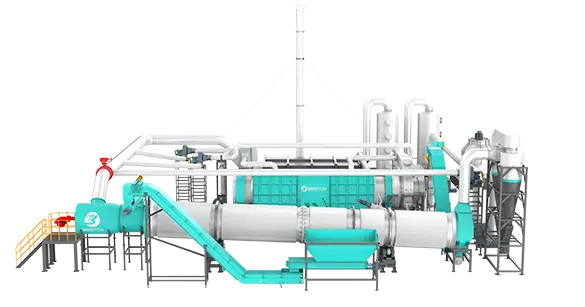
Model BST-50
- Vetted by Puro.earth, Rainbow, pre-approved by Isometric
- 6,000 tons of biochar production annually
- 7200H/Y stable & safe operation
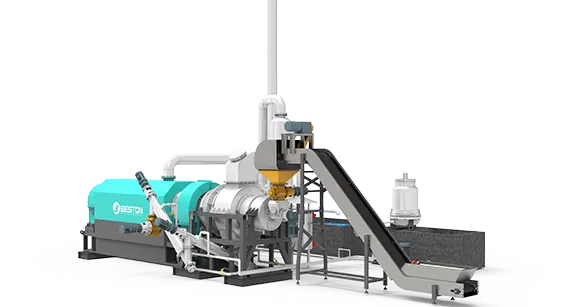
Model BST-06Quicker
- Vetted by Rainbow
- 8-hour rapid installation and deployment
- Movable design allowing 8-hour disassembly and reassembly
| Model | BST-50 Standard | BST-50 Max | BST-50S | BST-06 Quicker |
|---|---|---|---|---|
| Operating Mode | Continuous | Continuous | Continuous | Continuous |
| Application | Commercial-scale | Commercial-scale | Commercial-scale | Pilot Testing |
| Certification Platform | Isometric, Rainbow | Isometric, Rainbow | Puro.earth, Isometric, Rainbow | Rainbow |
| Reactor Material | Staineless Steel 304 | Staineless Steel 304 | Staineless Steel 310s | Staineless Steel 304 |
| Feedstock Moisture | Below 15% | From 15% to 55% | From 15% to 55% | Below 15% |
| Feedstock Size | 5-20mm | 5-20mm | 5-20mm | 5-20mm |
| Feeding Capacity (only for pyrolysis) | 10-15m³/h | 10-15m³/h | 10-15m³/h | 100-200KG/H |
| Max. Pyrolysis Temperature (Combustion Chamber) | 650℃ | 650℃ | 700℃ | 650℃ |
| Residue Retention Time | 15-20 minutes | 15-20 minutes | 15-20 minutes | 15-20 minutes |
| Operating Pressure | -20 - 0 pa | -20 - 0 pa | -20 - 0 pa | -20 - 0 pa |
| Cooling Method | Water | Water | Industrial Refrigeration Units | Water |
| Exhasut Gas Treatment | Standard | Standard | High Performance | Standard |
| Biochar Temperature | 45℃ | 45℃ | 45℃ | 45℃ |
| Annual Operating Hours | >7200hrs | >7200hrs | >7200hrs | >7200hrs |
| Service Life | 5-8 years | 5-8 years | 8-10 years | 5-8 years |
| Land Space Required (L*W*H*m) | 35*15*8 | 65*15*8 | 65*15*8 | 35*15*8 |
| Power Consumption | 121kw/h | 270-288kw/h | 270-304kw/h | 25.1kw/h |
| Water Consumption | 5-7m³/day | 5-7m³/day | 0 | 3-5m³/day |
| Fuel Consumption | 220-260m³/h | 220-260m³/h | 220-260m³/h | 30-50m³/day |
| Installation Period | 60 days | 60 days | 60 days | 7 days |
Two Technical Breakthroughs of BST-50S Palm Kernel Shell Charcoal Machine
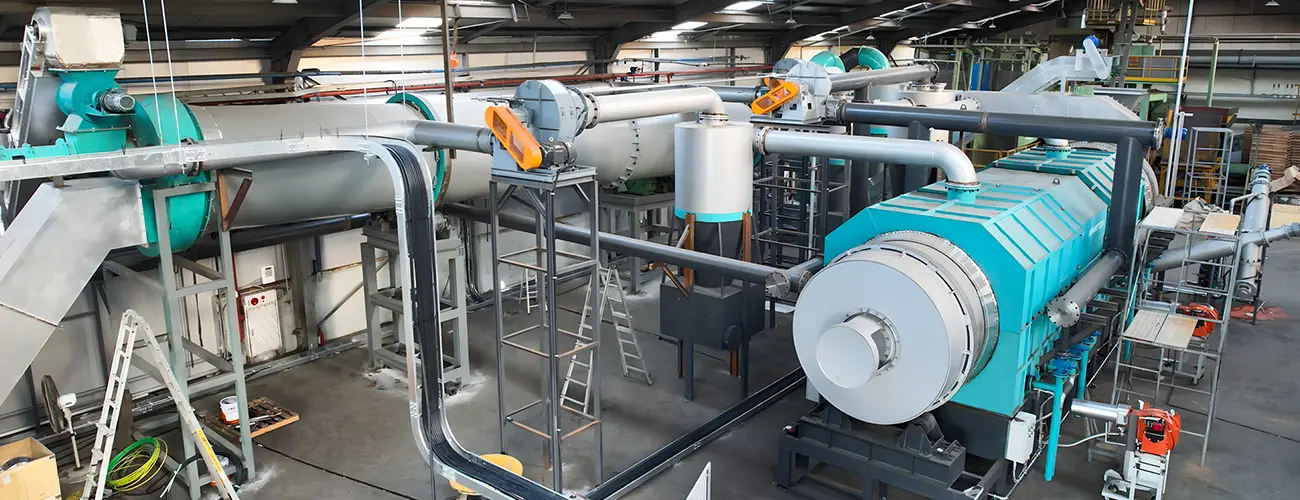
Tar and Dust Self-Cleaning System
BST-50S palm shell charcoal machine introduces a fully upgraded tar and dust self-cleaning system. This automated mechanism continuously removes tar residues and dust deposits from pipelines without the need for manual intervention. With this breakthrough, the machine is capable of:
- Producing 6,000 tons of biochar annually
- Sequestering 12,000 tons of carbon
- Maintaining stable operation for 7,200 hours per year
Dual-barrel Rotary Reactor
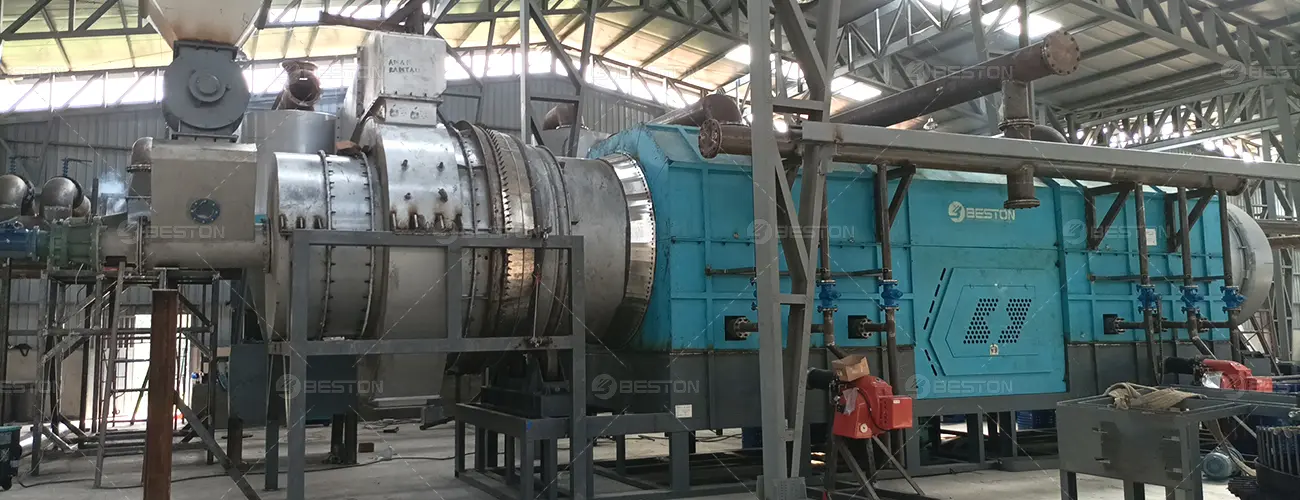
BST-50S charcoal making machine is equipped with an advanced dual-layer rotary reactor. This innovative design incorporates two concentric cylinders: the inner barrel performs rapid pre-drying of feedstock, while the outer barrel carries out deep pyrolysis. With this structural innovation, the machine can:
- Handle more than 10 m³ of feedstock per hour
- Deliver high-quality biochar through deep material treatment
- Optimize land use with its compact dual-layer configuration
4 Key Engineering Features of BST-06 Quicker Palm Kernel Shell Charcoal Machine
8-Hour Setup & Portable Design
Built with a lightweight, modular container structure for rapid field deployment.
- Completes full site setup in under 8 hours while minimizing on-site labor costs.
- Convenient to move and transport mobile biochar machine between different biomass testing sites.
Closed-Loop Sealed Combustion
Engineered with an advanced oxidation structure that recycles syngas back into the furnace.
- Cuts reliance on auxiliary fuel during continuous operations to lower energy costs.
- Prevents gas leaks to effectively lower overall greenhouse gas output.
Multi-Stage Air Purification System
Equipped with an integrated flue gas treatment system to process exhaust before stack release.
- Easily meets strict regional air quality regulations.
- Keeps processing low-dust and eco-friendly for local communities.
Integrated dMRV System
Palm kernel shell charcoal machine can be integrated with dMRV system to stream real-time operational data to your digital verification platform.
- Generates clean, automated audit trails for carbon credit issuance.
- Fast-tracks carbon credit verification to complete the full project approval process within 90 days.
Know Palm Kernel Shells in Palm Cultivation and Palm Oil Industry
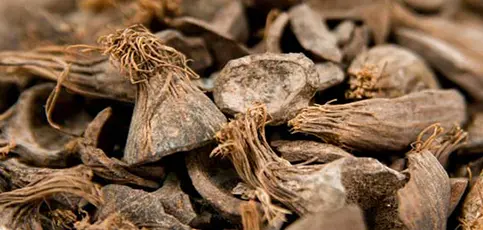
Palm Kernel Shell (PKS) is the hard outer shell of palm kernel fruit, which is left behind as a byproduct after palm oil extraction. It is a fibrous, brownish-yellow material with particle sizes typically ranging from 5 mm to 40 mm. Each year, the palm oil industry generates over 5 million tons of PKS. Utilizing a palm shell charcoal machine allows you to profit from the attractive palm kernel shell charcoal price. Now learn about this material.

 Major Producing Regions
The primary producers of PKS are countries where oil palm is a major economic crop. According to public data, the top PKS-producing regions include:
- Indonesia
- Malaysia
- Thailand
- Brazil
- Colombia
- etc.
 Characteristics of Palm Shells
Palm kernel shells offer unique characteristics that make them ideal for charcoal production.
- High calorific value (around 4000 Kcal/kg)
- Low moisture content
- Easy crushing
- Low ash content
- Renewable, easily available, and low cost
 Palm Byproducts for Pyrolysis
In addition to PKS, some other palm byproducts can be processed through pyrolysis.
- palm fiber;
- empty fruit bunches (EFB);
- palm dregs;
- palm branches and leaves;
- etc.
Apply Continuous Palm Kernel Shell Charcoal Machine to Recycle Biomass
To fully utilize palm waste in palm cultivation and the palm oil industry, please find a high-efficiency continuous palm shell charcoal machine. After relentless efforts, Beston Group has achieved a critical breakthrough in continuous biomass pyrolysis technology, delivering higher efficiency and stability to customers. This technological advancement brings such benefits:

- Resolve issue of tar and wood vinegar liquefaction.
- Resolve issue of carbon powder buildup in pipelines.
Achieved a breakthrough from 120 hours to 360 hours and 720 hours of continuous operation within four months.
- Reduce downtime and maintenance costs.
- Increase the whole pyrolysis production efficiency.
- Maximize biochar’s potential in carbon sequestration.
- Help investors enter the carbon sink market.
How to Make Charcoal from Palm Kernel Shell?
A complete palm shell charcoal machine usually includes a biomass pretreatment line and a biomass pyrolysis part. This integrated system effectively transforms palm waste into valuable charcoal, optimizing the process for both efficiency and sustainability. See its working process.
01 Raw Material Pretreatment
Before feeding the palm kernel shells into the reactor, they need to be prepared properly:
- Drying: Dry the shells with the dryer to keep their moisture content below 15%.
- Size Reduction: If the shells are too large, they may need to be crushed or shredded into smaller pieces (5-20mm) for uniform processing.
02 Palm Kernel Shells Feeding
Once ready, feed them into the reactor of the palm kernel shell charcoal making machine.
03 Palm Kernel Shells Pyrolysis/Carbonization
The machine will then begin the pyrolysis process. During this stage, the palm kernel shells release volatile gases, leaving behind solid carbon (biochar). The temperature in the reactor are crucial for achieving the desired quality of biochar.
- Medium-temperature zone: In the inner cylinder of reactor, biomass materials undergo secondary drying and semi-carbonization.
- High-temperature zone: Then the screw pushes them to drop into the outer cylinder of reactor for complete pyrolysis, producing biochar.
04 Syngas Recovery
As the shells undergo pyrolysis, syngas is purified and used to provide energy for the palm kernel shell charcoal machine.
05 Palm Shell Charcoal Collection
Characteristics of Pyrolysis Palm Biochar: Test Report
Note: The following are the test data for palm shell biochar produced by palm shell charcoal machine. The data may vary due to material differences.
| Results: | |
|---|---|
| NO | 1# |
| Kind | Palm kernel shell |
| Size | 5-20mm |
| Whole water Mt% | 2.35 |
| Analytical water Mad% | 1.32 |
| Dry basis ash Ad%7 | 7.91 |
| Volatile matter Vd% | 9.32 |
| Dry basis fixed carbon Fcad% | 77.36 |
| Sulfur content on dry basis St.d% | 0.08 |
| Coking Characteristics 1-8CRC | 1 |
| New national standard calorimeter dry basis high calorific value kcal/kg | 5485 |
| The new national standard calorimeter method receives the base low calorific value kcal/kg | 5265 |
| Remarks:
**℃ Out of water and oil, the highest temperature **℃ The above data is for reference only |
|

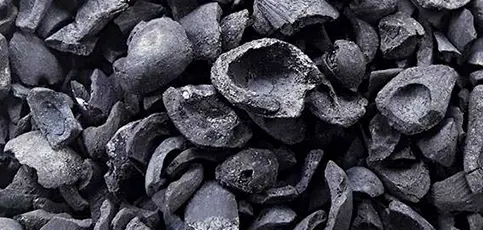
Remarkable Uses of Palm Kernel Shell Charcoal
Carbon Removal
Soil Remediation in Agriculture
Livestock Breeding Feed
Alternative Fuel
Metallurgy
Decarbonization Building Materials


From Waste to Value: Environmental Impact of Palm Kernel Shell Charcoal Machine
In tropical and subtropical regions, palm kernel shells are abundant, and palm shell charcoal machine offers a practical solution for their utilization. The following points highlight the key environmental advantages of this technology.
Reduce Agricultural Waste Pollution
Palm kernel shells, as by-products of the palm oil industry, are often stockpiled or openly burned, causing soil and air pollution. Through pyrolysis, these low-value residues are transformed into valuable resources, reducing the environmental burden.
Cut Carbon Emissions for Sustainability
Palm kernel shell charcoal serves as an alternative to fossil fuels, reducing dependence on coal and oil. This substitution lowers carbon emissions and supports the transition toward sustainable energy use.
Drive Circular Economy and Green Industry
Converting waste into economic products embodies the concept of a circular economy. Palm kernel shell biochar projects also generate new jobs and extend the industrial chain, fostering a transition toward green and sustainable regional development.
Operation Guarantee of Palm Shell Charcoal Machine
Multiple Safety Assurance
- Explosion-Proof Components: Include explosion-proof water seals and valves, explosion-proof holes, etc.
- Slight Negative Pressure Operation: Prevent excessive pressure within the palm kernel shell charcoal making machine.
- Alarm System in Electric Control Cabinet: Promptly issues an alarm to alert operators if any electrical fault occurs.
- Three-Layer Seals & Closed-Air Feeding Design: Prevent oxygen intake to ensure safety.
Environmental Compliance Guarantee
- EU Standard Dedusting Technology: A multi-layer de-dusting system can make gas emissions meet strict EU standards.
- Water Resource Reuse: Water resources are frequently recycled to minimize wastage.
- Flue gas & Syngas Utilization: Reuse hot flue gas for material drying which cuts energy loss; Recycle syngas to fuel biochar reactor, conserving fossil fuel resources.
- Additive-Free Production: The production process uses no additives or chemicals, ensuring environmental safety.
Efficient Operation Assurance
- Double-Return Heating Structure: Double the thermal utilization efficiency and realize full carbonization of palm kernel shells.
- Intelligent Control Technology: Ensure timely data feedback of palm kernel shell charcoal machine and optimized operation.
- Advanced Insulation System: Prevent biomass from contacting smoke or hot gases, ensuring uncontaminated production and minimizing heat loss.
- Low-Nitrogen Combustion Design: Boost combustion efficiency, reducing energy waste.
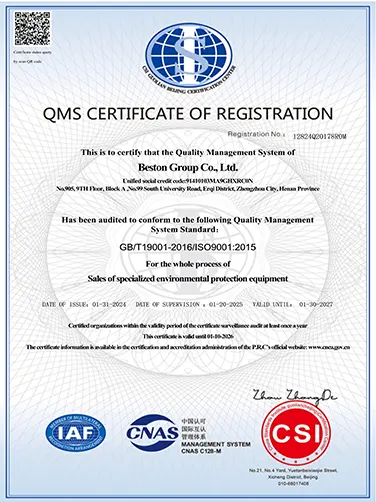
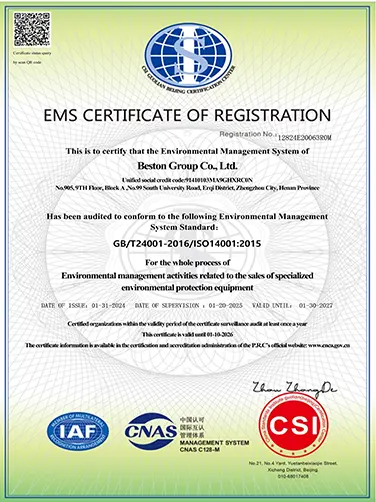
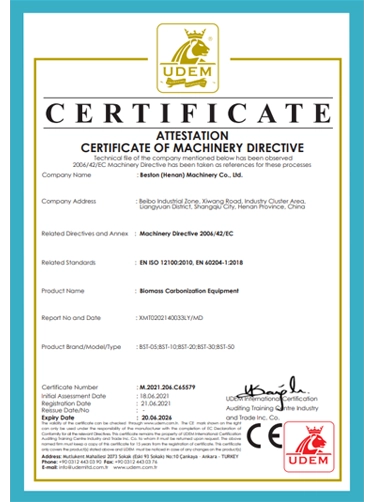
ISO & CE Certificates of Beston Palm Kernel Shell Charcoal Machine
Global Partnerships of Palm Shell Charcoal Machine
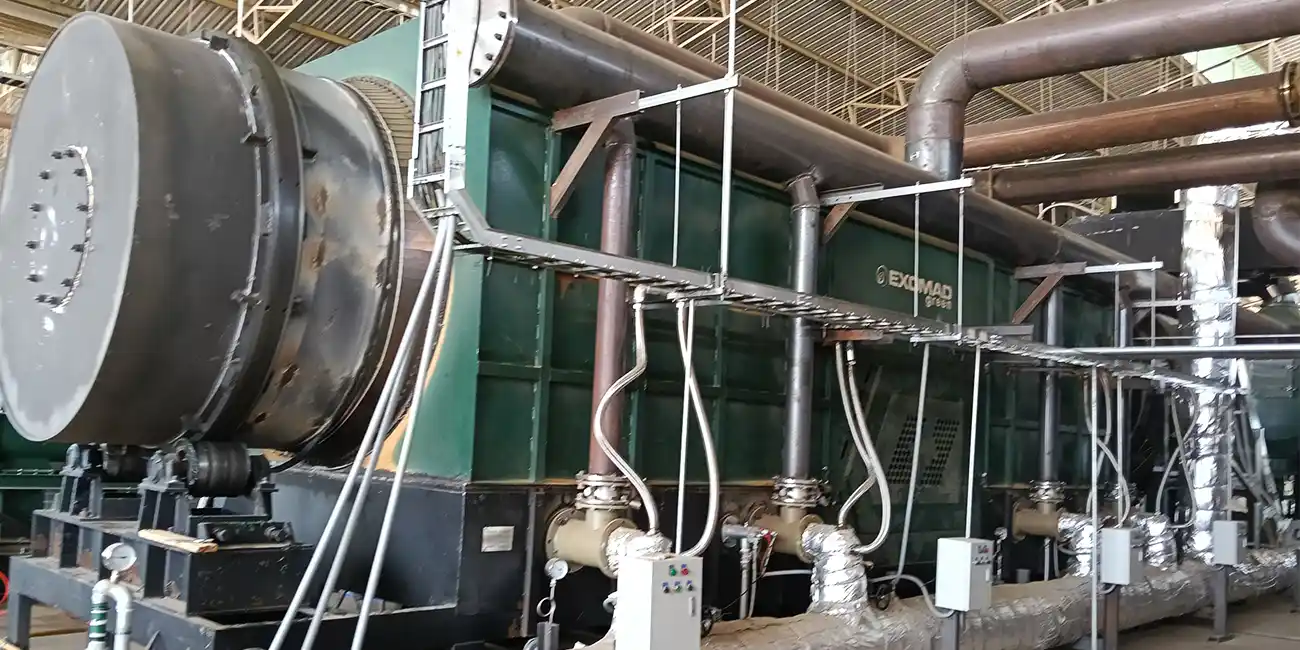
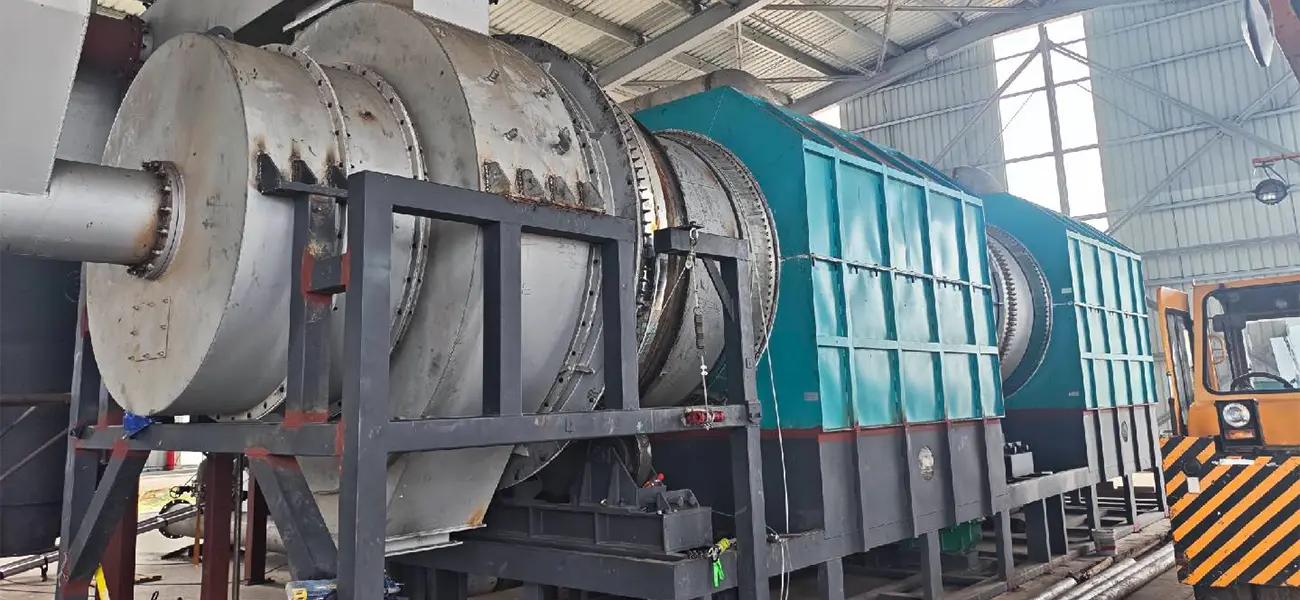
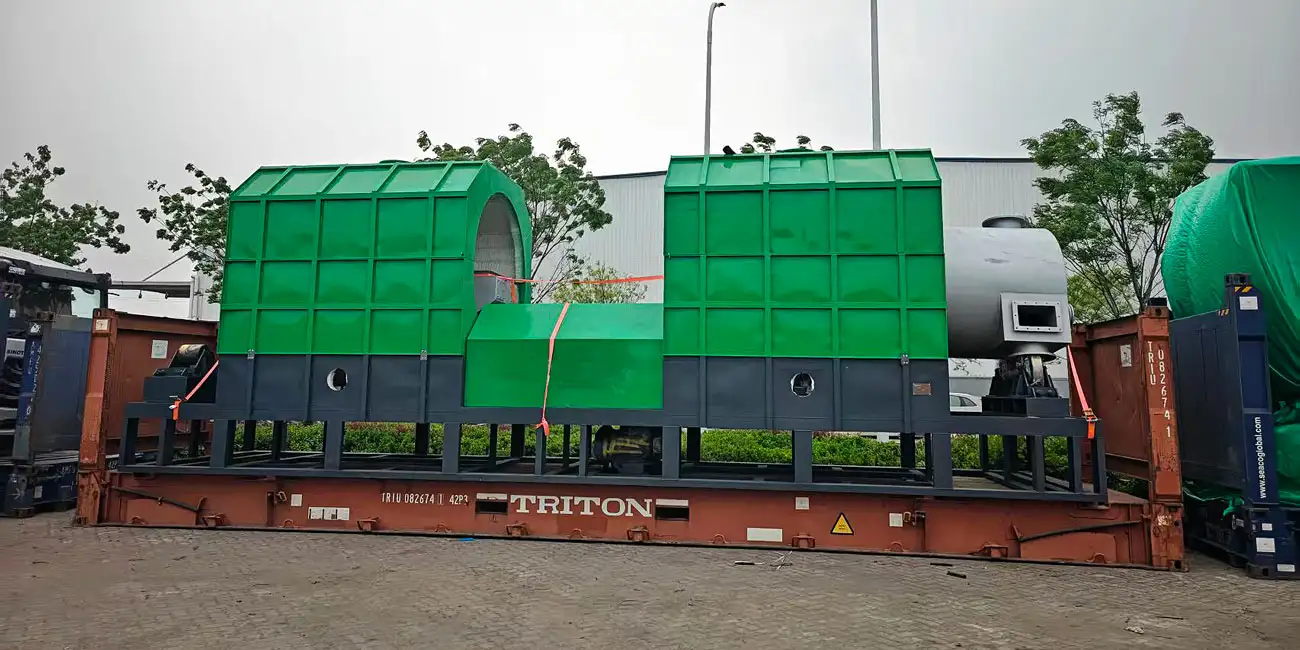
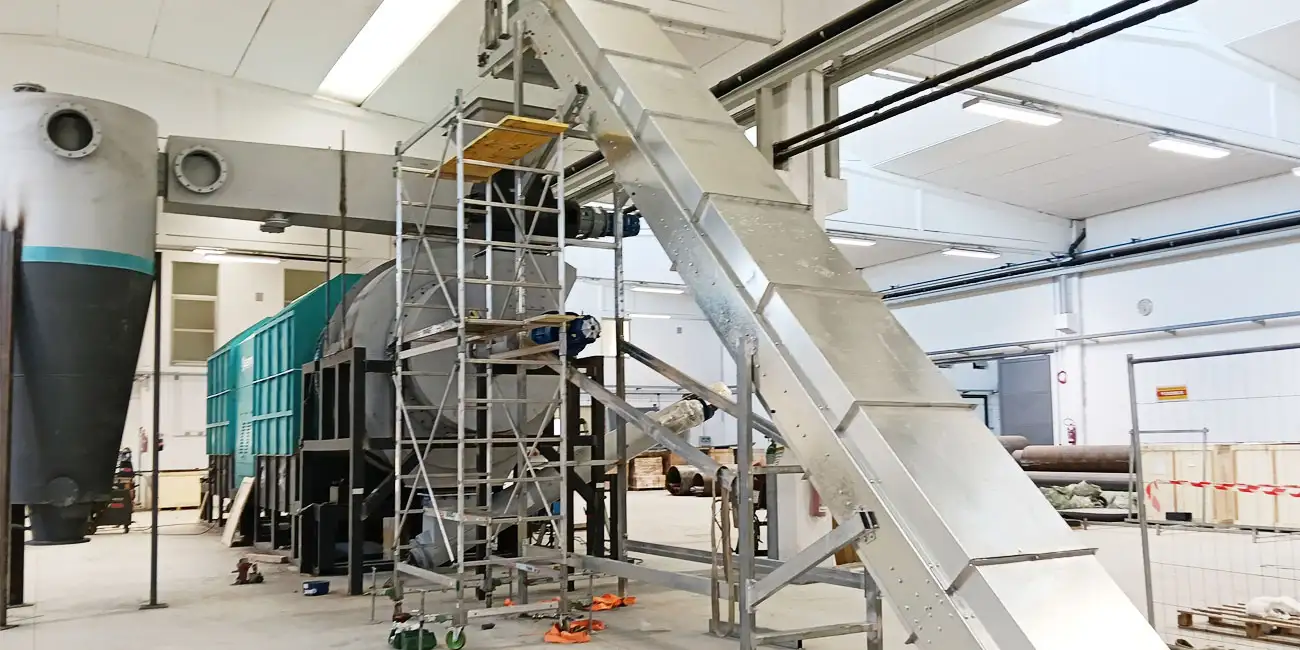
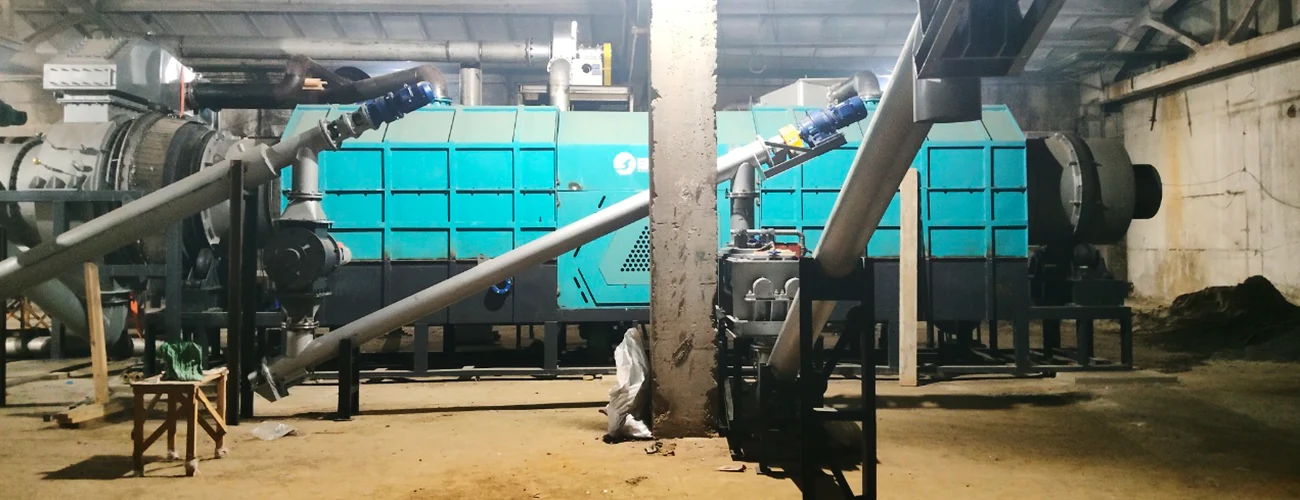
Beston palm kernel shell charcoal machine actively transforms biomass like coconut shells, wood chips, bamboo, rice husks, and more into valuable charcoal. Beston Group partners with customers worldwide, offering comprehensive support. Explore how we can help customers succeed.



FAQ of Palm Kernel Shell Charcoal Machine
01 What are the raw material requirements for Palm Kernel Shell (PKS) carbonization?
02What is the charcoal yield rate for Palm Kernel Shell (PKS)?
03 What fuel does the palm kernel shell charcoal machine consume?
04 Do you provide overseas installation and worker training service?
05 Do your palm kernel shell charcoal machines have relative certificates for import?
Get Your Palm Waste Recycling Solution Today
Start recycling palm waste with the palm kernel shell charcoal machine. This efficient system produces high-quality biochar, offering both economic benefits and environmental sustainability. Contact Beston Group anytime—our experts are ready to guide your project. Follow us on LinkedIn for the latest updates and insights!