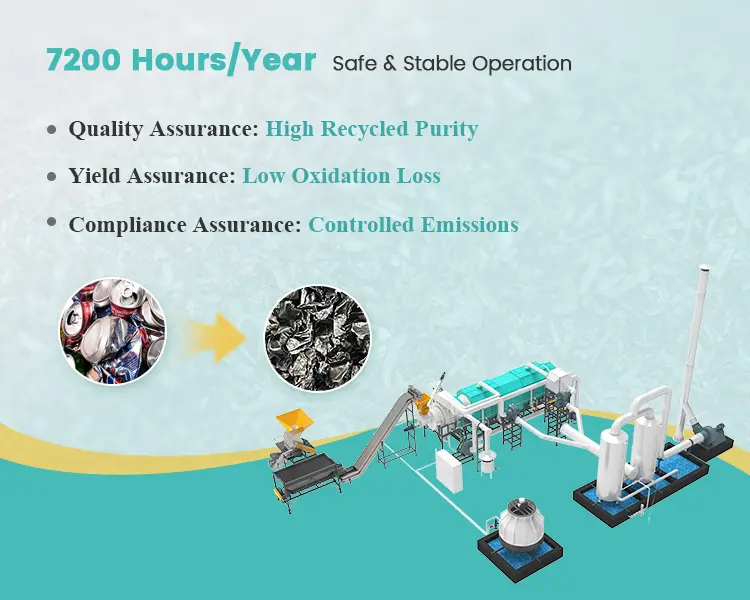
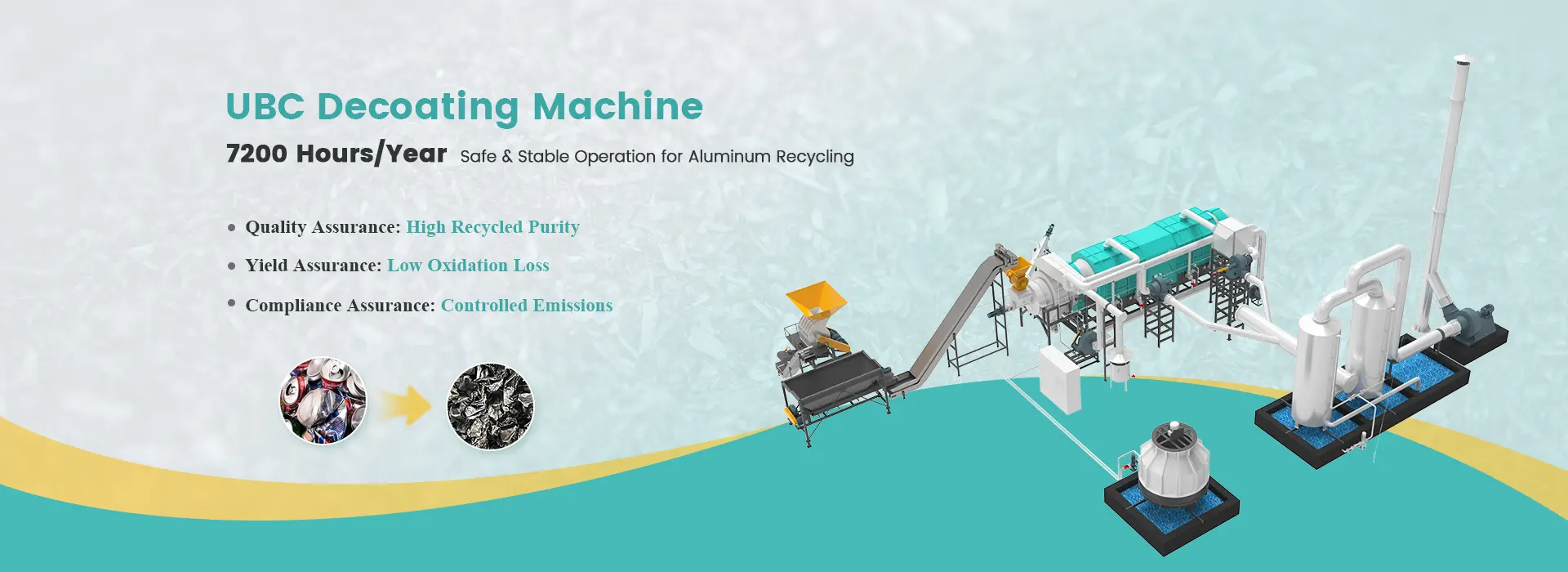
UBC decoating machine removes the coating, ink, and lacquer layer from aluminum cans through pyrolysis, allowing aluminum to be recovered at higher purity and lower loss. The process runs in a sealed, low-oxygen furnace under precise temperature control, separating the coating from the aluminum substrate with minimal oxidation. For the aluminum recycling industry, this equipment has become a key solution in raising metal recycling yield while keeping emissions clean and within regulatory compliance.
Industry Challenges in UBC Decoating
The basic aluminum recycling process for used beverage cans (UBC) is:
Collection → Crushing & Sorting → Decoating → Smelting & Casting.
Decoating is a critical pre-treatment step before smelting. It directly affects downstream smelting quality and metal recovery rate. However, much of the industry currently skips the decoating stage. Instead, it relies on direct high-temperature smelting or open-flame incineration. This exposes the following limitations:
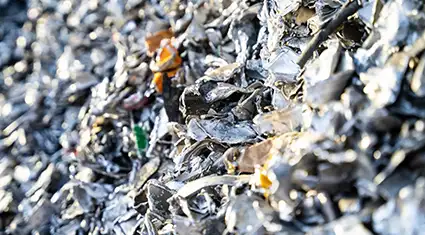
Lower Recycling Quality
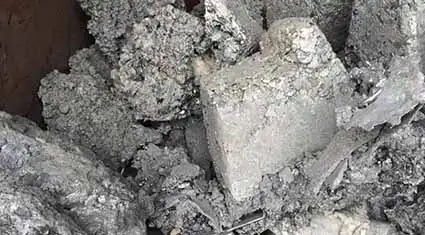
Above aluminum’s melting point 660°C, undecoated residues mix in. Impurity contamination forces the recycled aluminum to be downgraded into low-end cast alloy.
Severe Aluminum Loss
An open, oxygen-rich environment combined with high-temperature combustion readily triggers intense oxidation. This causes substantial burn loss of the finished metal.
Emission Compliance Risk
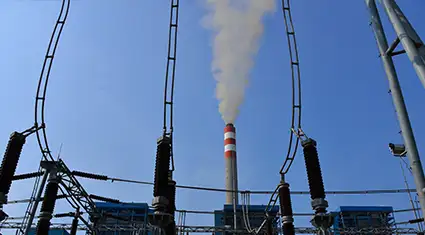
Traditional incineration offers little control over furnace temperature and cooling rate. This creates conditions prone to re-synthesizing toxic substances such as dioxins.
UBC Decoating Machine: Pyrolysis-Based Decoating Solutions
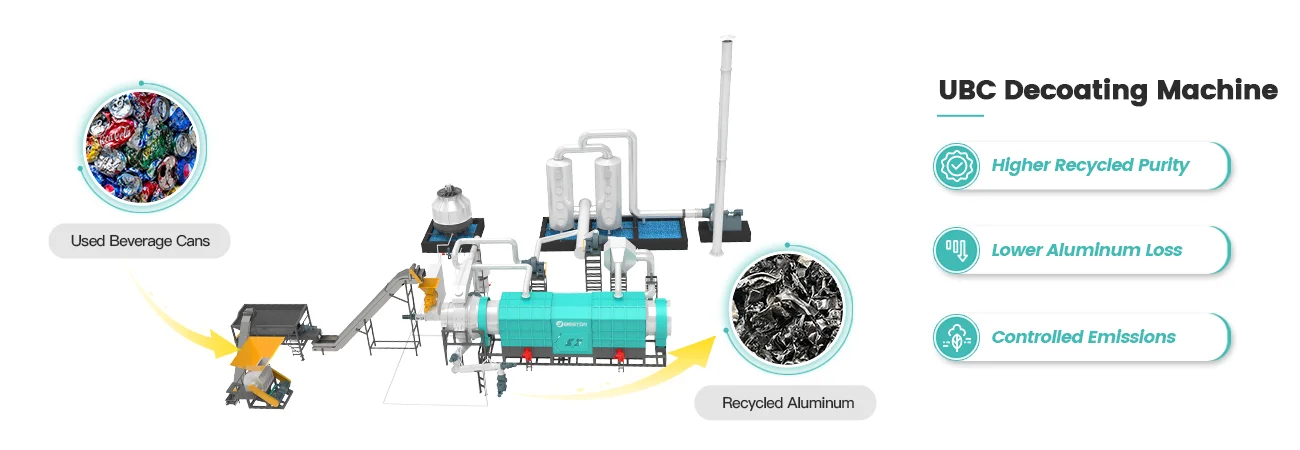
UBC decoating machine operates in a sealed, low-oxygen environment. Precise temperature control (450°C–520°C) pyrolyzes the coating into syngas and carbon residue, separating it from the aluminum substrate. Pyrolysis-based solution offers the following key advantages:
- High Recycled Purity: Decoating stays below aluminum’s melting point. The metal remains solid, so coating residue does not mix into it.
- Low Aluminum Loss: The sealed, low-oxygen environment minimizes oxidation, improving recovery yield.
- Controlled Emissions: Pyrolysis syngas is burned and purified in an independent combustion chamber, avoiding the emission risks of incomplete combustion.
What Types of Cans Can Be Decoated?
✓ Suitable
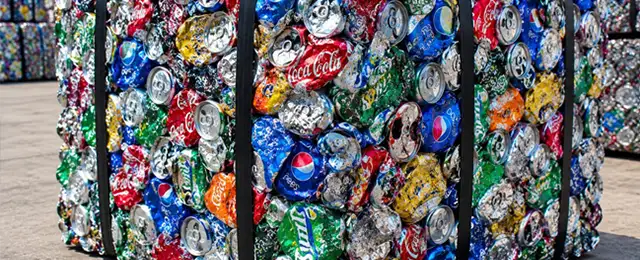
Aluminum beverage cans (soda, beer, energy drinks, etc.)
- Aluminum Alloy Material: Body: 3104/3004 ; lid: 5052; tab: 5182
- Wall Thickness: 0.2–0.36 mm
✗ Not Suitable
Bimetal cans (steel body with aluminum lid)
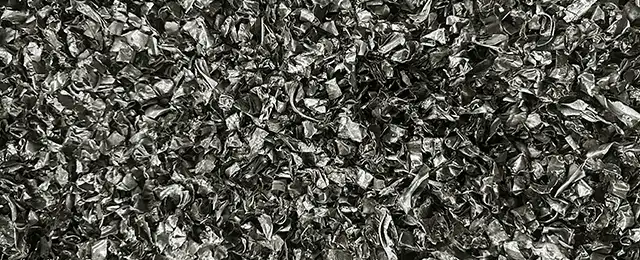
High-Standard Finished Aluminum Output
Appearance Quality
- Silver-gray surface, no large areas of residual coating;
- No visible white oxide layer; oxide ≤5μm; residue ≤2% per piece;
- Controlled smoke in smelting tests, no abnormal pungent odor.
Physical Properties
- Intact substrate, no powdering, cracking, or sintering/clumping;
- Strength retention ≥95% (3 × 180° bends, no breakage);
- Intact particle/flake shape, easy to convey and feed.
Core Technical Advantages of Beston Group’s UBC Decoating Machine
UBC pyrolysis system for decoating is engineered around two core requirements: keeping the aluminum substrate isolated from oxygen throughout processing, and keeping emissions controlled from source to discharge. Our equipment is engineered around both:
Air-Sealed Throughout, 60% Oxidation Rate Decrease
- Sealed Feeding: A dual-stage seal, combining an airlock valve and a screw seal feeder, blocks outside air from entering the furnace. This maintains a low-oxygen reaction environment inside.
- Precise Pressure Control: Gradual heating prevents sudden pressure spikes from rapid coating off-gassing. The furnace holds a slight negative pressure (-10 to -30Pa), which keeps cold air from leaking back in.
- Sealed Cooling: Water-jacket indirect heat exchange cools the material. The system stays fully sealed until discharge temperature drops below 50°C, preventing secondary oxidation from air exposure.
Source to Stack, Emissions in Compliance
- Source Reduction: The coating pyrolyzes rather than burns in the sealed, low-oxygen environment. This cuts black smoke, dust, and harmful gas generation at the source.
- Process Control: Pyrolysis gas is fully combusted in a sealed combustion chamber, with controlled temperature and residence time. This suppresses the formation of dioxins and other harmful substances.
- End-of-Pipe Purification: Flue gas is rapidly quenched in a spray tower, minimizing time in the critical temperature window. Multi-stage purification then removes particulates, acid gases, and residual VOCs.
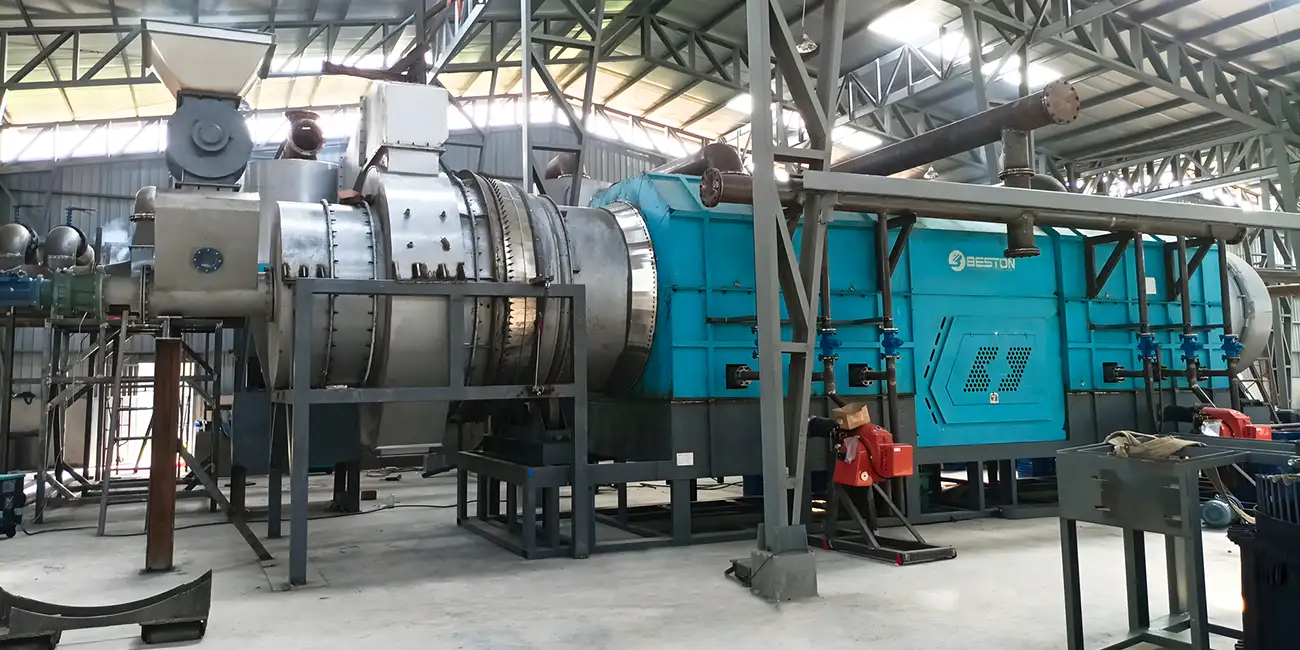
Model Specifications of UBC Decoating Machine
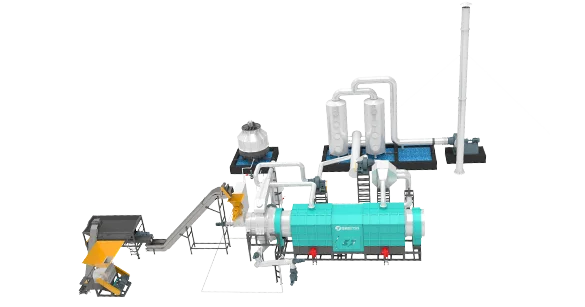
BST-50: Industrial-scale Model
- Recycle 16,000 tonnes of UBC annually
- 7200 hours/year stable & safe operation
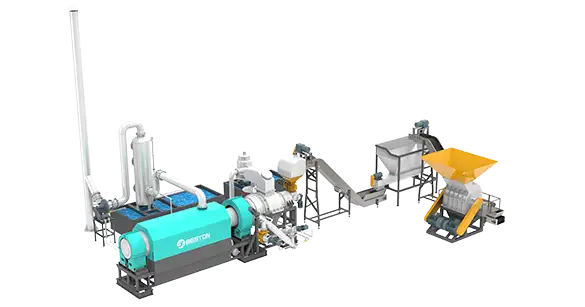
BST-06Quicker: Small-scale Model
- 8-hour rapid installation and deployment
- Movable design allowing 8-hour disassembly and reassembly
| Model | BST-50 Standard | BST-06 Quicker |
|---|---|---|
| Operating Mode | Continuous | Continuous |
| Application | Commercial-scale | Small-scale |
| Reactor Material | Staineless Steel 304 | Staineless Steel 304 |
| Feedstock Size | 20-40mm | 20-40mm |
| Feeding Capacity | 1900KG-2800KG/H | 160-240KG/H |
| Max. Pyrolysis Temperature (Combustion Chamber) | 650℃ | 650℃ |
| Residue Retention Time | 15-20 minutes | 15-20 minutes |
| Operating Pressure | -10 ~ -30 Pa | -10 ~ -30 Pa |
| Cooling Method | Water | Water |
| Exhasut Gas Treatment | Standard | Standard |
| Aluminum Temperature | 50℃ | 50℃ |
| Annual Operating Hours | >7200hrs | >8000hrs |
| Service Life | 5-8 years | 5-8 years |
| Land Space Required (L*W*H*m) | 35*15*8 | 35*15*8 |
| Power Consumption | 121kw/h | 25.1kw/h |
| Water Consumption | 5-7m³/day | 3-5m³/day |
| Fuel Consumption | 220-260m³/h | 30-50m³/day |
| Installation Period | 60 days | 7 days |
How UBC Decoating Machine Achieves Efficient Decoating
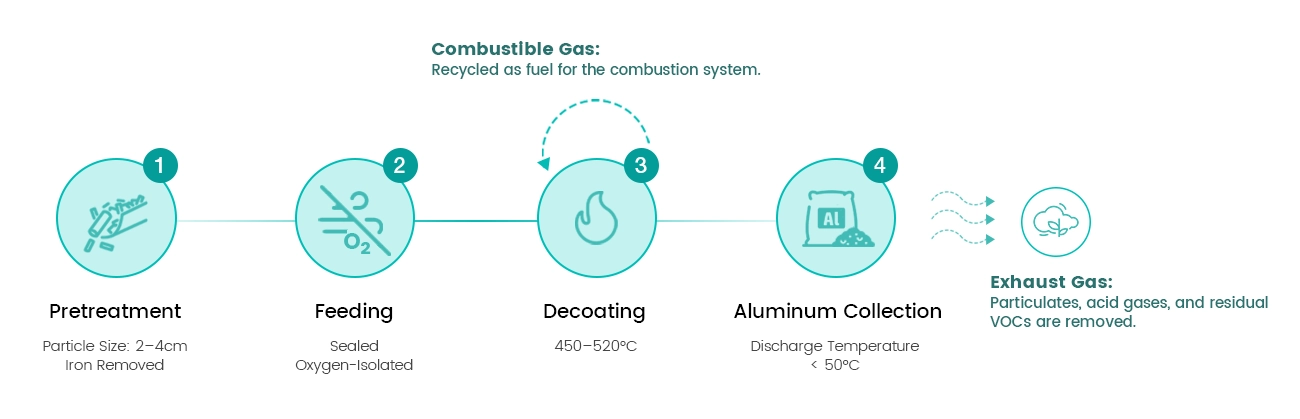
The key to effective decoating is complete coating removal while the aluminum substrate stays solid and stays free of oxidation. UBC decoating machine achieves this through precise temperature control and a sealed, oxygen-isolated design:
UBC Pre-treatment
- Crushing: UBCs are shredded to 2–4cm. This removes trapped air inside the can body and ensures even heating.
- Magnetic Separation: Baling wire and iron fragments are removed. This prevents galvanic corrosion between iron and aluminum.
Sealed Feeding
Material is fed continuously into the reactor through an airlock valve and a screw seal feeder. This blocks air from entering the furnace along with the material.
Thermal Decoating
Material undergoes staged heating inside the furnace:
- Preheating & Drying (120–200°C): Removes moisture and softens surface residue.
- Pre-pyrolysis (200–320°C): Low-boiling-point volatiles are released, and some components begin to decompose.
- Main Pyrolysis (450–520°C): The coating fully decomposes and detaches, separating from the aluminum substrate.
Water-Cooling Collection
The decoated aluminum is cooled to below 50°C through a sealed water-cooling system. It is then separated from solid residue via vibrating screens, yielding clean aluminum scrap.
UBC Decoating Machine: Live Demo Video
UBC Decoating Machine: Authoritative Certifications
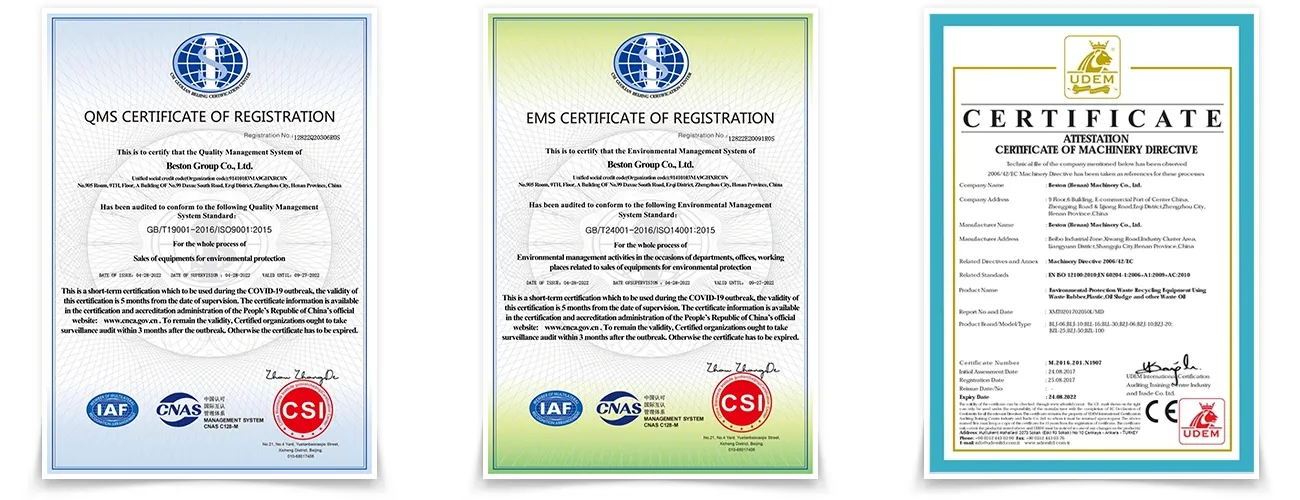
Beston Group‘s UBC decoating equipment is certified to ISO 9001 (Quality Management), ISO 14001 (Environmental Management), and CE (EU Safety Compliance) , internationally recognized standards for quality, environmental, and safety performance.
Beston Group: R&D and Manufacturing Strength
Reliable UBC decoating equipment is built through a combination of continuous R&D, precision manufacturing, and strict quality control.We are committed to advancing every part of this process, pushing engineering standards higher, refining manufacturing precision, and never compromising on quality.
Engineering Strength, R&D Driven
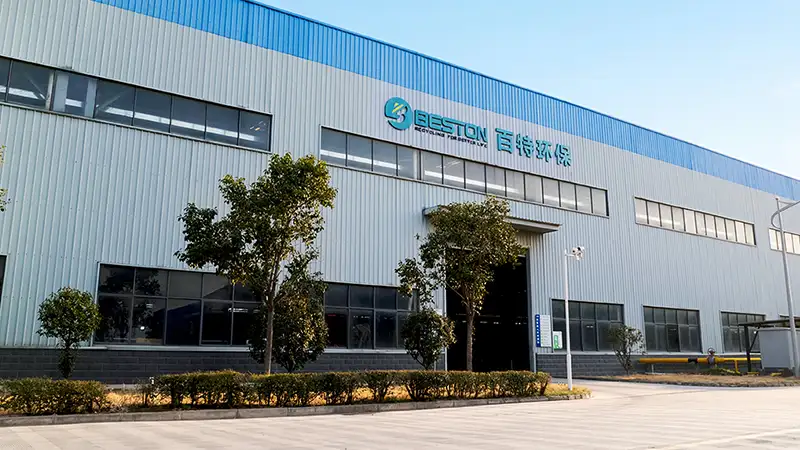
- Facilities: Beston Group operates a 200,000 m2 production center, supported by a 7,000 m2 pilot R&D test base and a 500 m2 laboratory & testing center.
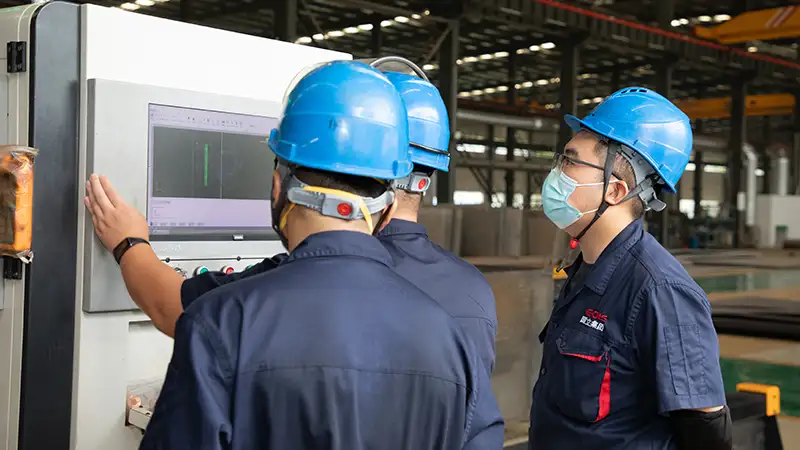
- Team & Patents: 50+ engineers, over 80% with 10+ years of industry experience; 17 patents covering core processes such as sealed feeding and precision temperature control.
Quality Manufacturing, Every Step Verified
- Fabrication: National-standard steel welding, CNC precision machining for core components, and auxiliary parts from leading brands such as Delixi, Schneider, and Siemens.
- Full-Process Quality Control: Multi-stage inspection from incoming raw material checks to final airtightness and safety performance testing, covering every step of production.
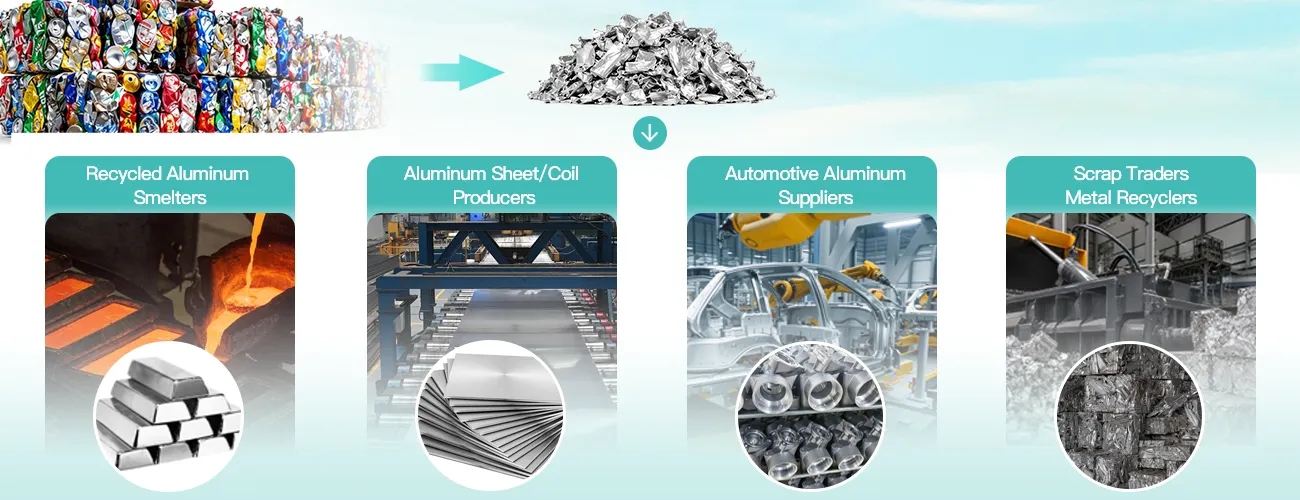
Downstream Markets & Applications for Decoated Aluminum
The main revenue source for a UBC thermal decoating project is the sale of decoated aluminum scrap to downstream recyclers and processors. In September 2026, the benchmark aluminum price averaged approximately USD 3,283 per tonne. The market value and potential applications of decoated aluminum depend on metal recovery, residual coatings, material quality, and regional demand. The following are potential buyers and application pathways for paint-stripped aluminum:
| Downstream Buyer | Aluminum Application Path | Main Downstream Products | Application Area |
|---|---|---|---|
| Recycled Aluminum Smelters | Decoated UBC Scrap → Remelting → Alloy Adjustment → Casting | Recycled aluminum ingots, billets | Secondary aluminum production |
| Aluminum Sheet and Coil Producers | Decoated UBC Scrap → Remelting → Alloy Adjustment → Slab Casting → Rolling | Aluminum sheets, coils, beverage can sheet | Beverage packaging, construction, industrial manufacturing |
| Automotive Aluminum Suppliers | Decoated UBC Scrap → Remelting → Alloy Adjustment → Casting and Further Processing | Automotive castings, selected components | Automotive manufacturing and lightweighting |
| Scrap Traders and Metal Recyclers | Decoated UBC Scrap → Quality Inspection → Grading and Baling → Sale | Decoated aluminum scrap, secondary aluminum feedstock | Domestic and international scrap markets |
FAQs of UBC Decoating Machine
01 What Does Your UBC Decoating Machine Configuration Include?
02 What Types of Used Beverage Cans (UBC) Can Be Processed?
03 What Is the Aluminum Recovery Rate After Decoating?
04 Does Decoating Produce Carbon Residue, and How Is It Handled if It Sticks to the Aluminum Surface?
05 Can the Pyrolysis Gas Generated by the Process Fully Power the System on Its Own?
Get a Customized UBC Decoating Solution from Beston Group
UBC decoating machine is the key to turning used beverage cans into high-purity aluminum scrap. By pyrolyzing coatings in a sealed, low-oxygen environment, it cuts oxidation loss and keeps emissions controlled from source to stack. Beston Group offers material testing for your feedstock and can recommend the right model, from the industrial-scale BST-50 to the pilot-scale BST-06Quicker. Follow us on LinkedIn for the latest aluminum recycling insights and project updates.