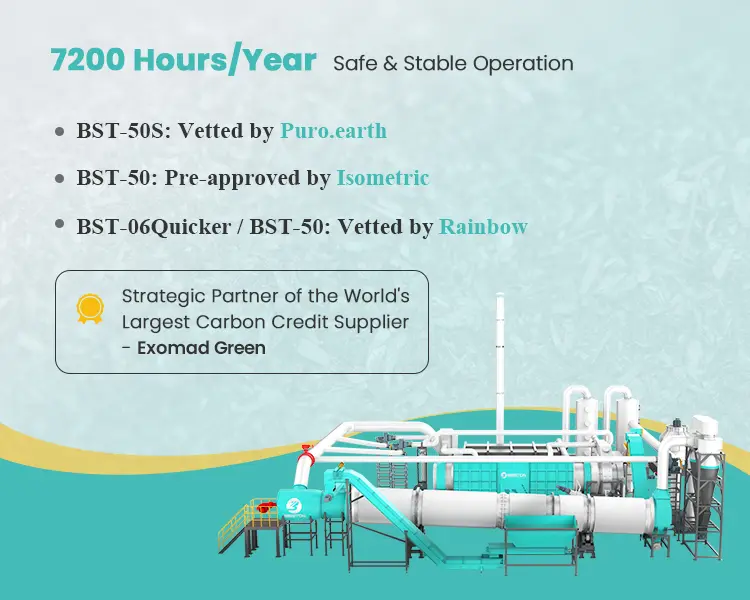
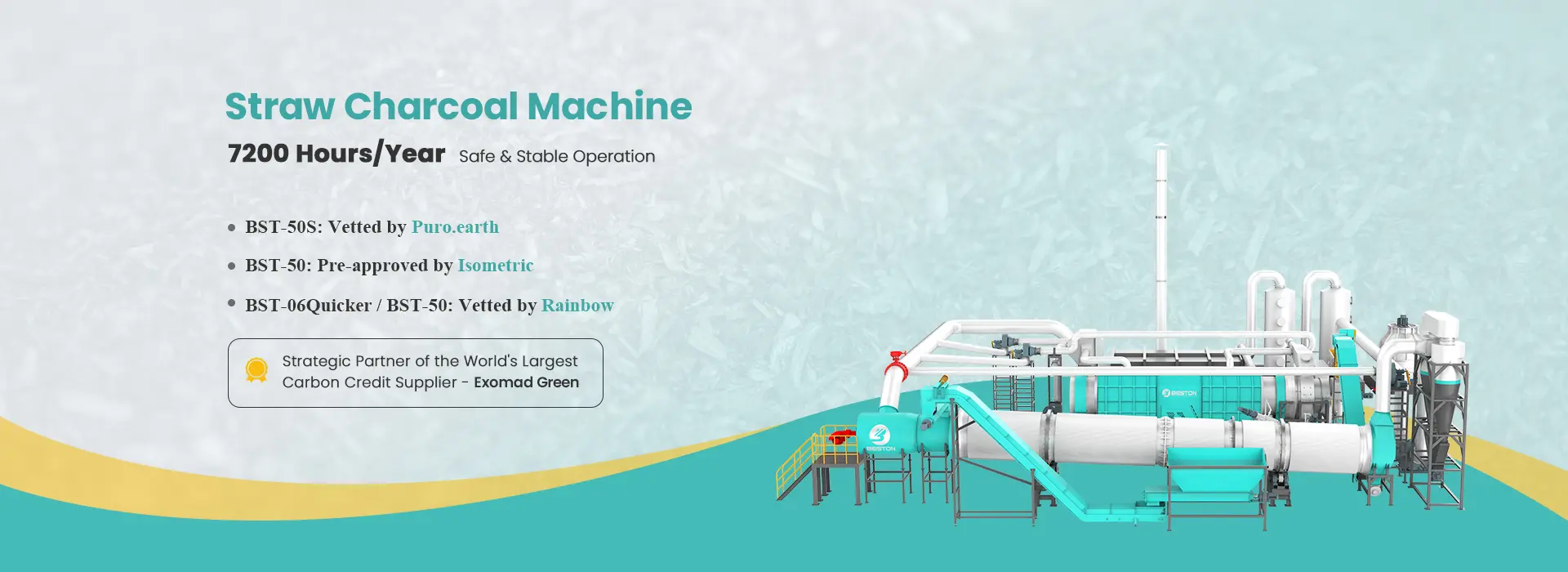
Straw charcoal machine is designed to convert straw to valuable biochar through pyrolysis. It processes abundant agricultural residues such as rice straw, wheat straw, corn stalks, cotton stalks, and other crop waste. These materials are often burned in the open or left to rot, and the machine turns them into a carbon-rich product instead. This solution helps farms, biomass processors, and environmental projects reduce straw pollution and create new revenue from biochar for soil improvement, fuel, and other uses.
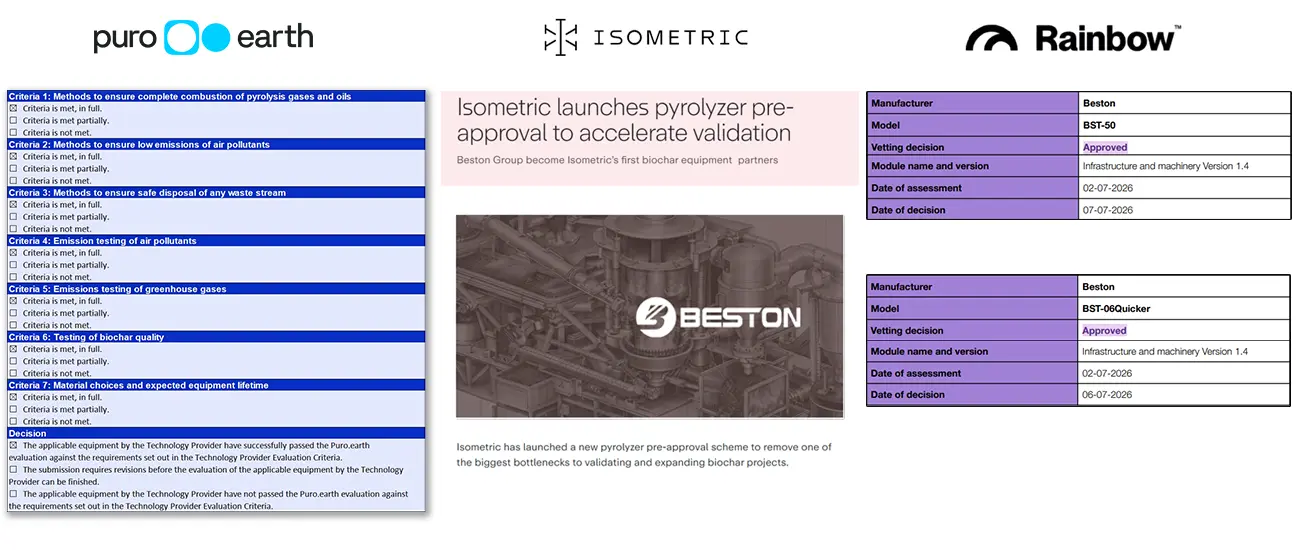
Beston Straw Charcoal Machine Vetted by Puro.earth & Isometric & Rainbow
After rigorous technical evaluation and prototype operation testing, Beston straw charcoal machine has passed technical reviews by Puro.earth (BST-50S), Isometric (BST-50) and Rainbow (BST-50 & BST-06 Quicker). Here’s the technical level the equipment achieves in data management, process performance, and environmental compliance:
Full Data Traceability
The onboard PLC system records key process parameters such as temperature and pressure, creating tamper-proof data once logged. Sensors at each process node continuously sync operational data and calibration records to the cloud, with retention periods spanning several years. This provides project developers with a complete data chain for third-party audits.
Consistent Biochar Quality
Feed rate, combustible gas airflow, and drum rotation speed can all be adjusted in real time. Combined with a sealed combustion system, this keeps carbonization temperature and residence time stable. As a result, the output biochar’s H/Corg ratio stays below 0.7, meeting the stability standard required for 200+ years of carbon sequestration.
High-Standard Exhaust Emissions
Syngas produced by Beston biochar production equipment is recovered for reuse or safely processed. A pressure monitoring system manages leakage risk in real time. After multi-stage treatment including cooling, dust removal, desulfurization, and denitrification, CH₄, N₂O, and CO emissions can meet EU environmental standards.
Low-Carbon Production
Beyond the preheating stage, the equipment runs without consuming additional fossil fuel. Test data show methane emissions below 0.1% of the carbon content in the biochar, and nitrous oxide emissions below 1% of the carbon stored in the biochar. This low-carbon production approach helps projects achieve a higher net carbon sequestration figure in LCA calculations.
Parameters of Beston Straw Charcoal Making Machine for Sale
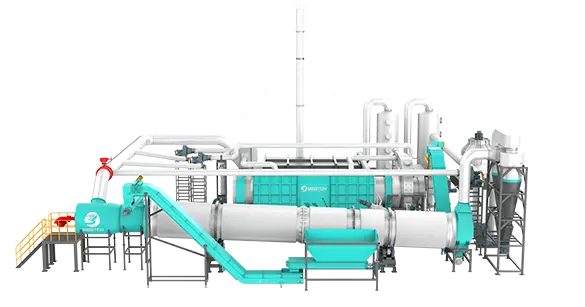
BST-50: Industrial-scale Model
- Vetted by Puro.earth, Rainbow, pre-approved by Isometric
- 6,000 tons of biochar production annually
- 7200H/Y stable&safe operation
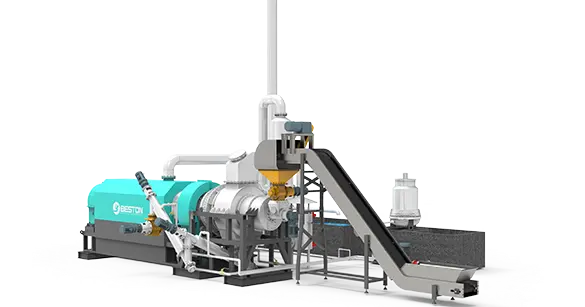
BST-06Quicker: Pilot-scale Model
- Vetted by Rainbow
- 8-hour rapid installation and deployment
- Movable design allowing 8-hour disassembly and reassembly
| Model | BST-50 Standard | BST-50 Max | BST-50S | BST-06 Quicker |
|---|---|---|---|---|
| Operating Mode | Continuous | Continuous | Continuous | Continuous |
| Application | Commercial-scale | Commercial-scale | Commercial-scale | Pilot Testing |
| Certification Platform | Isometric, Rainbow | Isometric, Rainbow | Puro.earth, Isometric, Rainbow | Rainbow |
| Reactor Material | Staineless Steel 304 | Staineless Steel 304 | Staineless Steel 310s | Staineless Steel 304 |
| Feedstock Moisture | Below 15% | From 15% to 55% | From 15% to 55% | Below 15% |
| Feedstock Size | 5-20mm | 5-20mm | 5-20mm | 5-20mm |
| Feeding Capacity (only for pyrolysis) | 10-15m³/h | 10-15m³/h | 10-15m³/h | 100-200KG/H |
| Max. Pyrolysis Temperature (Combustion Chamber) | 650℃ | 650℃ | 700℃ | 650℃ |
| Residue Retention Time | 15-20 minutes | 15-20 minutes | 15-20 minutes | 15-20 minutes |
| Operating Pressure | -20 - 0 pa | -20 - 0 pa | -20 - 0 pa | -20 - 0 pa |
| Cooling Method | Water | Water | Industrial Refrigeration Units | Water |
| Exhasut Gas Treatment | Standard | Standard | High Performance | Standard |
| Biochar Temperature | 45℃ | 45℃ | 45℃ | 45℃ |
| Annual Operating Hours | >7200hrs | >7200hrs | >7200hrs | >7200hrs |
| Service Life | 5-8 years | 5-8 years | 8-10 years | 5-8 years |
| Land Space Required (L*W*H*m) | 35*15*8 | 65*15*8 | 65*15*8 | 35*15*8 |
| Power Consumption | 121kw/h | 270-288kw/h | 270-304kw/h | 25.1kw/h |
| Water Consumption | 5-7m³/day | 5-7m³/day | 0 | 3-5m³/day |
| Fuel Consumption | 220-260m³/h | 220-260m³/h | 220-260m³/h | 30-50m³/day |
| Installation Period | 60 days | 60 days | 60 days | 7 days |
BST-50 Straw Charcoal Machine: Large-Scale Production & Long-Term Stability

Produce 6000 Tons of Biochar Per Year
-Dual-cylinder Reactor Design
The double-cylinder core structure enables staged carbonization. The inner cylinder is used for pre-drying the material, while the outer cylinder ensures deep carbonization. This straw charcoal making machine design guarantees:
- Process capacity exceeding 10 m³ per hour
- Annual output of 6,000 tons of biochar
- Annual carbon sequestration capacity of 12,000 tons
Continuous Running for 7200 Hours Per Year
-Tar Dust Self-cleaning System
The tar and dust self-cleaning system is engineered to automatically remove sticky residues and fine particles from the pipelines during operation, preventing blockages throughout the process. This ensures:
- Stable and safe operation for 7,200 hours annually
- Extend service life of the equipment
- Reduce labor costs
BST-06Quicker Straw Charcoal Machine: Low-Risk, Rapid Validation for CDR Feasibility
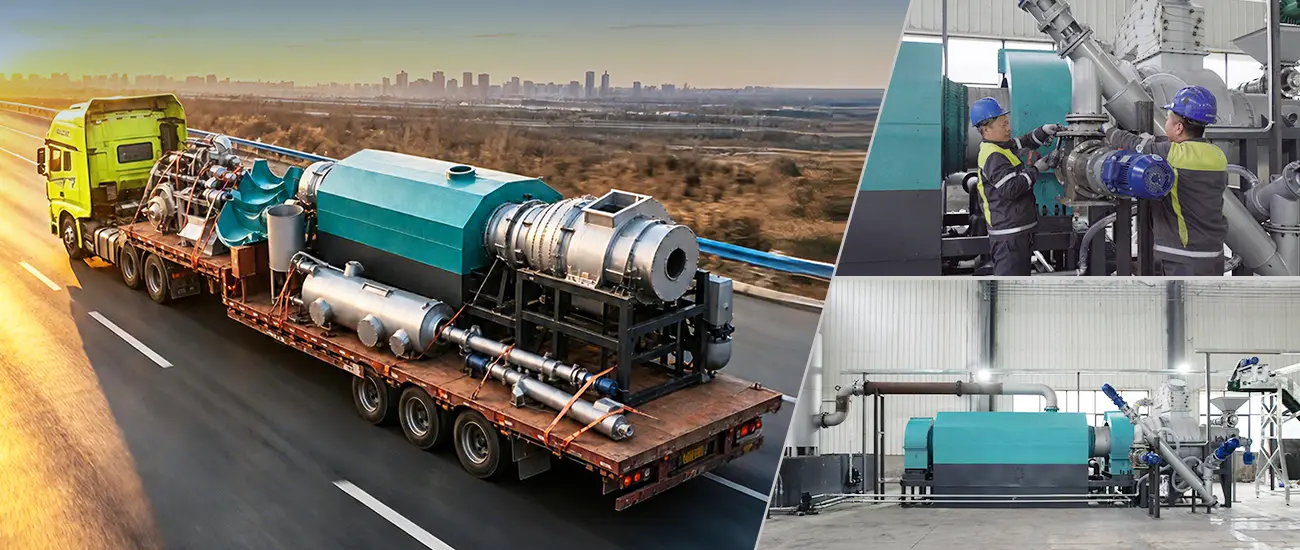
Fast Project Deployment
- 8-Hour Quick Installation: BST-06Quicker features a movable design and can be fully installed within 8 hours, so you can start CDR feasibility testing right away.
- 90 Day Verification Timeline: Go from installation to verified pyrolysis process stability, biochar quality, and biochar application results in under 90 days.
- Low Initial Investment: Validate biochar CDR feasibility with lower CAPEX than an industrial-scale plant.
Eco-Friendly & Low-Emission Process
- Enclosed Combustion Technology: Ensures complete syngas utilization while minimizing greenhouse gas (GHG) emissions.
- Integrated Emission Purification Technology: Ensures all atmospheric emissions strictly comply with local and national environmental requirements.
Abundant Agricultural Straw: Awaiting Proper Recycling Solution
Straw is an agricultural byproduct consisting of the dry stalks of cereal plants after the grain and chaff have been removed. It makes up about half of the yield by weight of cereal crops such as barley, oats, rice, rye, and wheat. If handled properly, it will present promising potential. If improperly handled, this agricultural waste leads to not only a waste of resources but also environmental risks. Therefore, it is meaningful to utilize a straw charcoal machine to recycle this biomass waste. Common straw waste includes:
- wheat straw
- barley straw
- oat straw
- rye straw
- buckwheat Straw
- corn stalks
- cotton straw
- alfalfa straw
- etc.

Straw Charcoal Making Machine: How Straw Is Recycled for Reuse
01 Pre-treatment System (Optional Configuration)
Before straw waste enters the reactor for pyrolysis, please ensure it meets specific feeding requirements (size 5- 20 mm, moisture below 15%). If not, you need auxiliary equipment such as dryers and crushers.
02 Feeding System
03 Pyrolysis System
- The biomass pyrolysis reaction typically takes 15 to 20 minutes, depending on specific raw materials.
- At temperatures ranging from 380°C to 450°C, the straw in the straw charcoal machine reactor decomposes into biochar while releasing significant amounts of syngas.
- Syngas will be recycled to provide heat for the heat.
04 Dedusting System
This system removes harmful substances from the exhaust gases. It includes cyclone dust removal, spray dedusting, activated carbon adsorption, etc.
Beston Group can customize the dedusting system based on your local environmental standards.
05 Cooling Discharge System
- The cooling system uses water-based heat exchange to lower the temperature of the biochar. Once cooled, the biochar is discharged from the reactor.
- This cooling process prevents biochar from spontaneous combustion when exposed to air and ensures that it is safe to handle and store.
Benefits of Straw Pyrolysis to Biochar Solution
Investing in a straw charcoal machine provides both economic and environmental advantages. It creates diverse revenue streams through biochar applications and addresses key environmental challenges related to agricultural waste. Detailed explanation as follows:
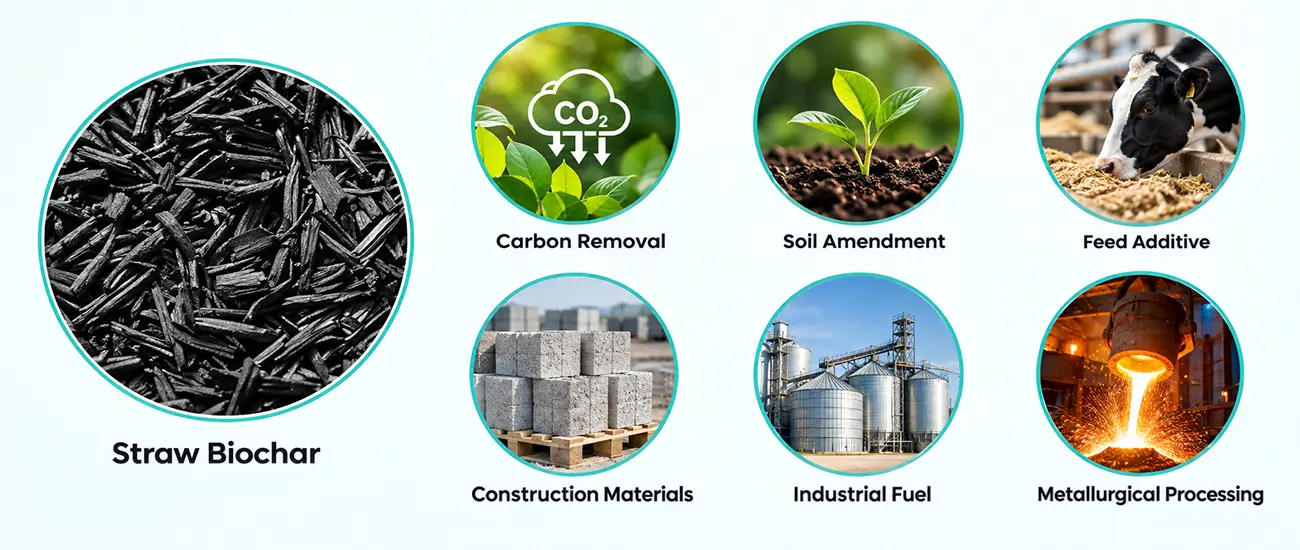
Wide Profitability: From Biochar Applications
Carbon Removal
Straw biochar captures and stores carbon in a stable form, contributing to carbon reduction efforts and enabling the earning of carbon credits.
Soil Amendment
Straw biochar improves soil structure and fertility, promoting healthier crop growth.
Feed Additive
Straw biochar enhances digestive and intestinal health in animals and reduces methane emissions from ruminants.
Construction Materials
Straw biochar can be used in the production of carbon bricks and other building materials.
Industrial Fuel
Straw biochar made from straw charcoal making machine serves as a high-calorific fuel for industrial production.
Metallurgical Industry
Straw biochar made from charcoal machine serves as a high-quality reducing agent and carbon additive for metallurgical processing.
Eco-friendly Benefits: From Agricultural Waste Reduction
Reduce Environmental Pollution
Direct burning of straw releases harmful smoke and gases that degrade air quality. This practice worsens issues like smog and acid rain. Straw into biochar solution significantly reduces these harmful emissions.
Preserve Soil Quality
Accumulation of straw in fields over time can hinder soil aeration and water penetration, causing the soil to deteriorate. This negatively impacts crop growth. Straw biomass pyrolysis plant recycles this waste, improving soil health.
Prevent Fire Risk
Improper straw handling methods, such as littering or burning, can easily start a fire, especially during the dry season. Straw charcoal machine solves agricultural waste resource management issues in an eco-friendly and safe manner.
Straw Biochar vs. Direct Field Return: Why Better to Sustainable Agriculture?

Long-Term Soil Health
Unlike straw, which decomposes quickly and only provides temporary benefits, biochar made from straw charcoal making machine stays in the soil for years. Its slow nutrient release system mimics the natural nutrient cycle, enhancing soil structure and fertility over time. This reduces reliance on chemical fertilizers and makes farming more sustainable. For farmers focused on long-term productivity, biochar is a more reliable and cost-effective choice.

Carbon Removal Effect
Straw biochar from biochar pyrolysis equipment helps combat climate change by locking carbon into the soil for extended periods. This prevents carbon from being released into the atmosphere as CO2. In contrast, straw decomposes rapidly, releasing carbon and contributing to greenhouse gas emissions. By using rice/wheat biochar, farmers also play a role in reducing global carbon emissions.

Soil pH Balance
Who May Need Straw Charcoal Making Machine?
Beston straw charcoal machine is ideal for investors and organizations that seek a sustainable and profitable solution for processing large quantities of straw. Potential investors may include:

Key Features to Look for in Beston Straw Charcoal Machine

Safe and Reliable Design
- Triple-seal design guarantees airtight operation, preventing leaks.
- Nitrogen replaces oxygen to prevent flash explosions in biochar reactor.
- Explosion-proof device safeguards against abnormal pressure.
Efficient Design
- Continuous pyrolysis technology for up to 720 hours of operation.
- Inner and outer cylinder structures of the reactor improve thermal efficiency
- Low-nitrogen combustion design improves combustion efficiency
Environmental Friendly Design
- Water-cooled slag discharging reduces dust generation
- Multi-channel dust removal device ensures flue gas cleanliness
- Excess syngas is burned to prevent environmental pollution
Smart Control Design
- PLC system controls the variable frequency fan for precise parameter adjustments.
- Key component failure triggers alarms through the PLC electrical cabinet.
- Optional IoT system of straw charcoal making machine enables real-time monitoring.
Straw Charcoal Machine Certifications: Proof of Reliability
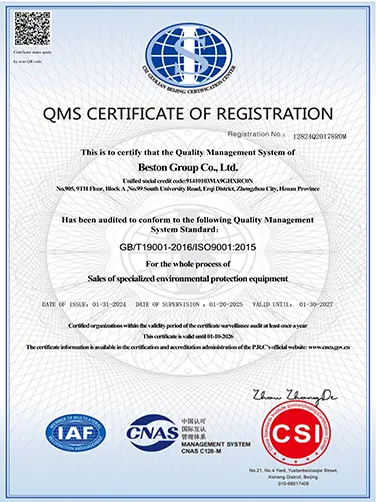
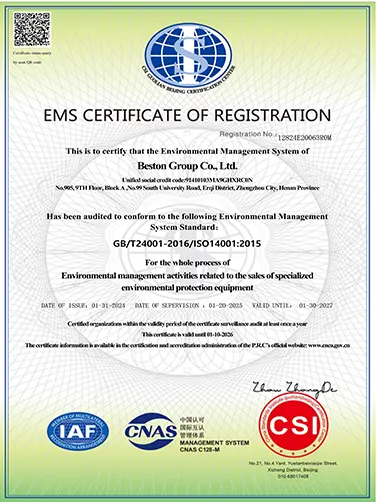
As a manufacturer of straw charcoal making machine, Brston Group has achieved ISO 9001, ISO 14001, and CE recognition. These certifications ensure that our equipment is built to meet rigorous global standards for safety, quality, and environmental performance, providing customers with full confidence in their investment.
Global Cases on Straw Charcoal Making Machine
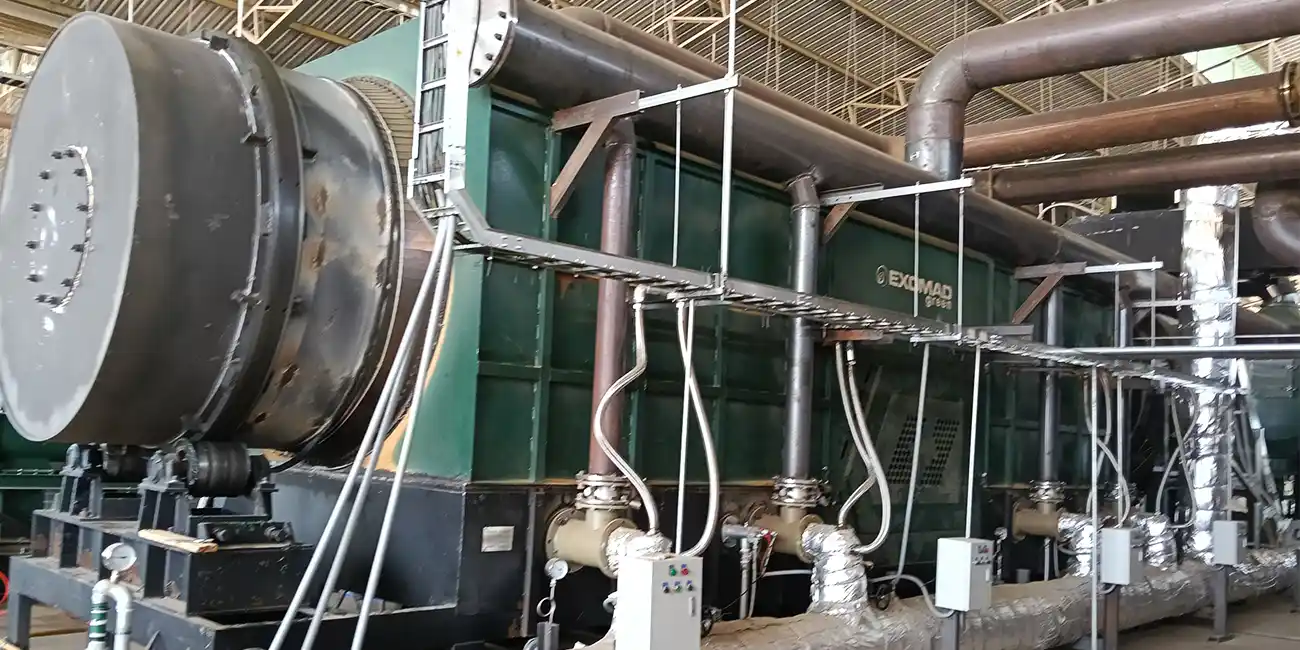
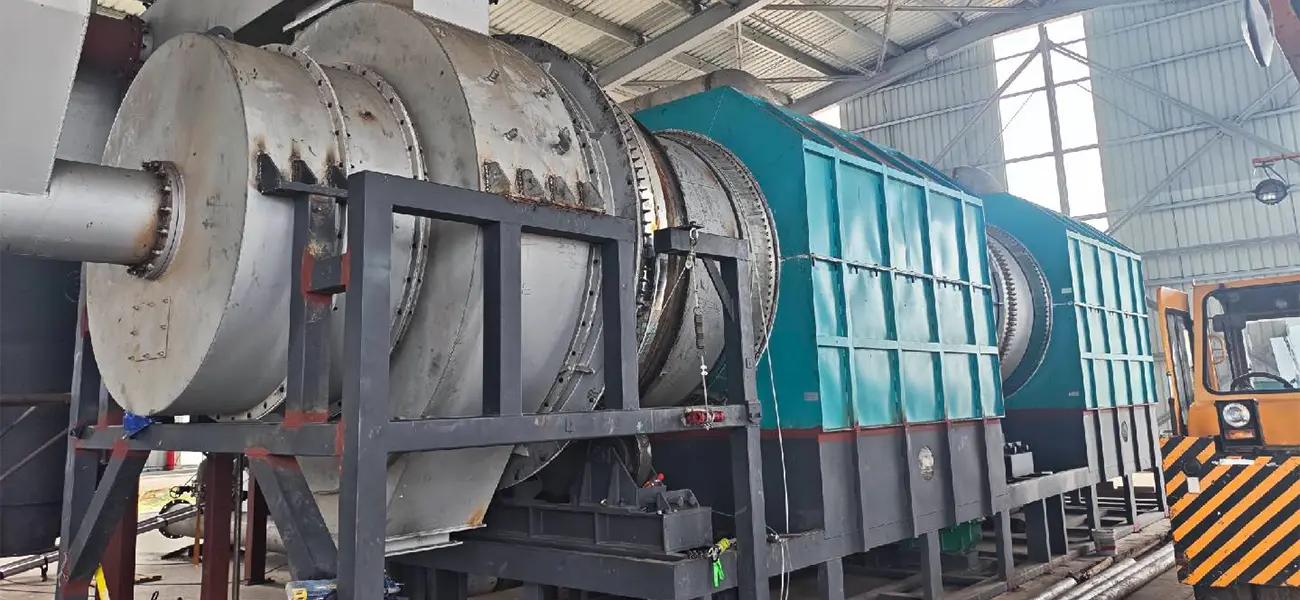
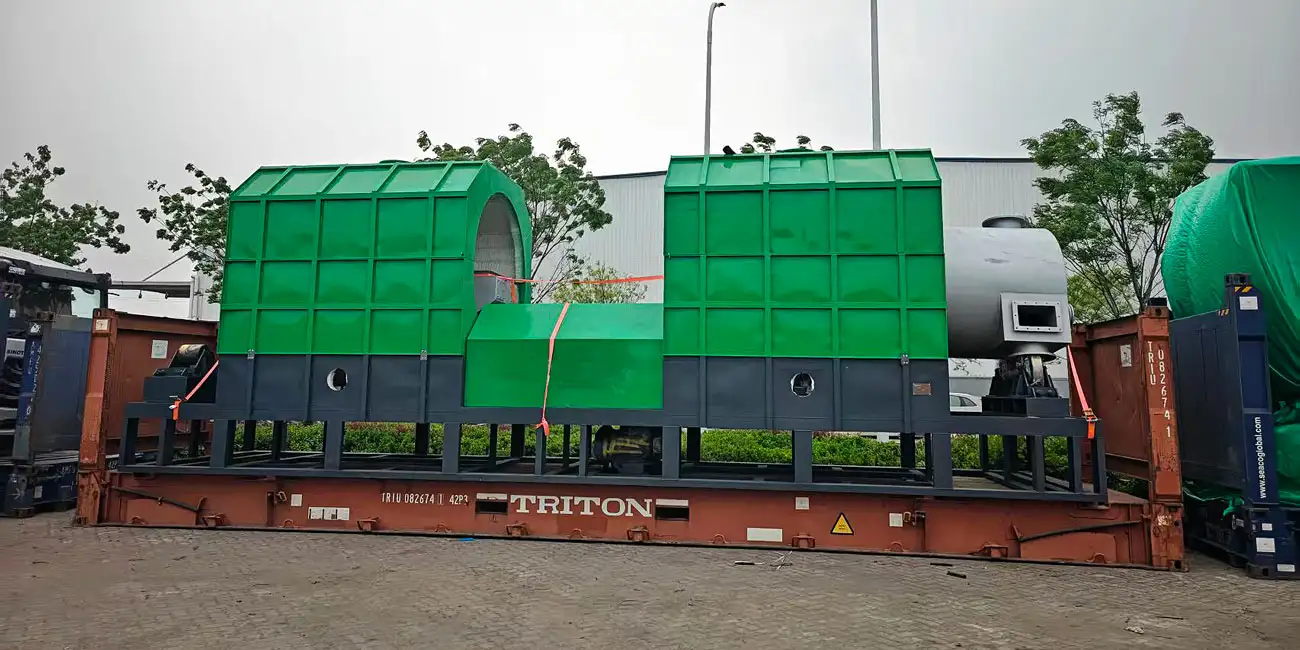
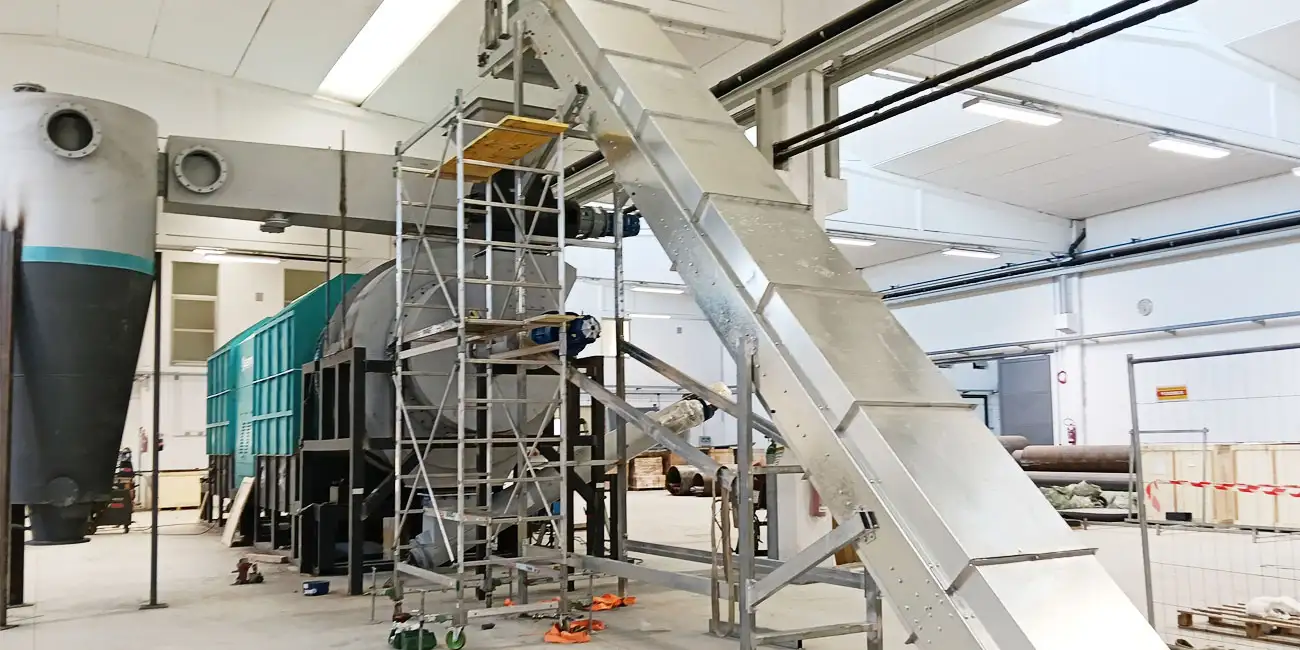
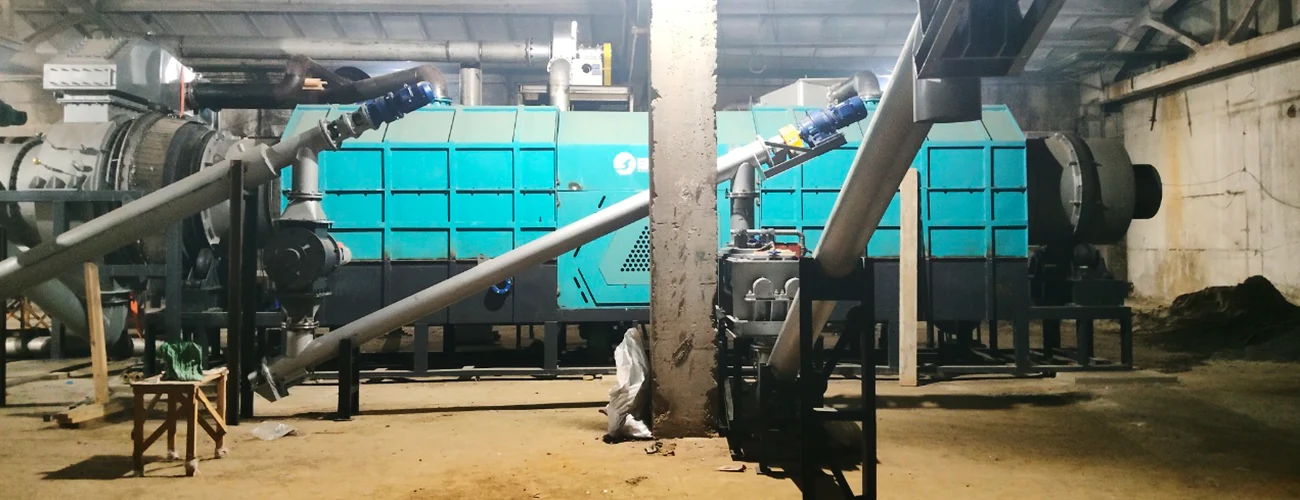
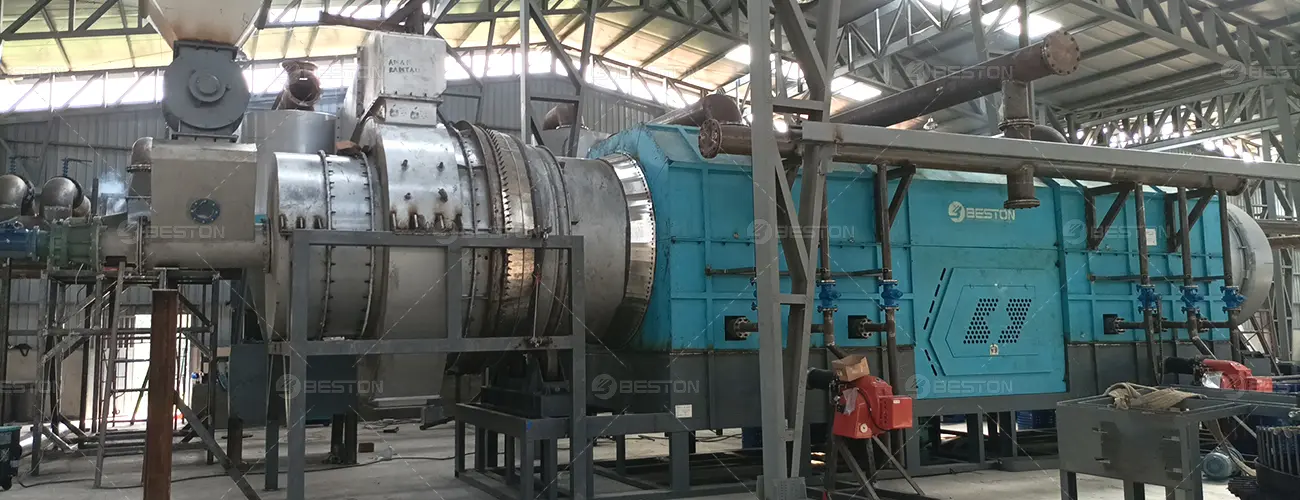
For decades, Beston Group has partnered with hundreds of customers worldwide, helping them unlock the potential of the biomass-to-biochar industry. Let a straw charcoal machine help you turn sustainable agriculture into a profitable reality.



Get Your Straw to Biochar Solution with Beston Group
As for agricultural waste management, straw charcoal machine provides a sustainable solution. Beyond reducing waste, it delivers the added benefit of producing valuable biochar. From your first question to successful operation, Beston Group provides full-cycle support to make straw charcoal technology work at its best for you. Contact us anytime with questions, and follow our latest updates on LinkedIn!