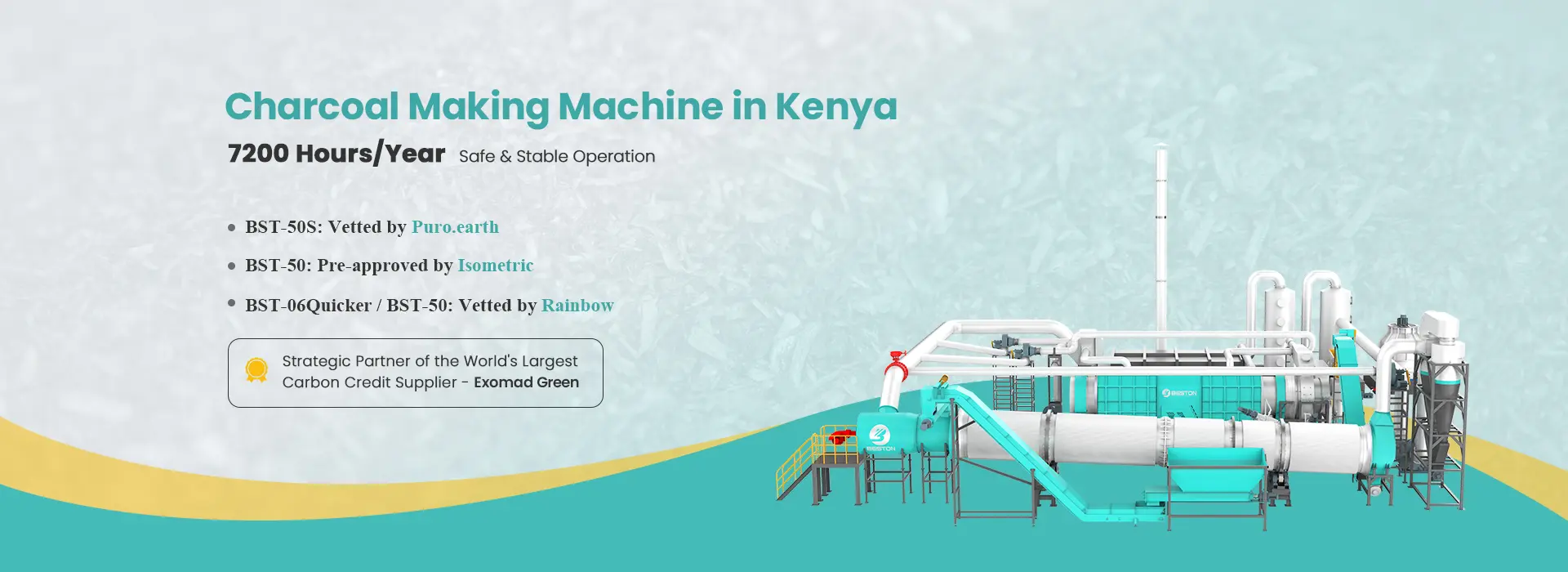
Charcoal making machine in Kenya turns agricultural and wood waste, such as sawdust, maize cobs, and coffee husks, into charcoal through pyrolysis. The resulting charcoal can serve as a cleaner-burning fuel, a biochar soil amendment, or a reducing agent in some metallurgical applications. Compared with traditional earth-mound kilns, modern carbonization equipment offers higher yield, more consistent quality, and lower emissions. For Kenyan businesses, it is a practical way to turn waste biomass into a profitable product with multiple markets.
Beston Charcoal Making Machine for Sale in Kenya
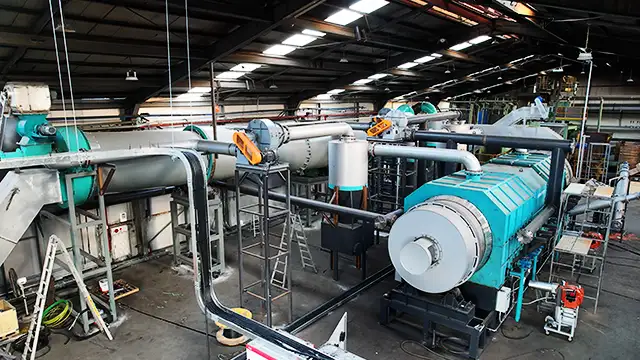
BST-50: Industrial-scale Model
6,000T Biochar Production Annually
- Tar & wood vinegar self-cleaning system: Prevents pipeline blockages and supports up to 7,200 operating hours per year.
- Dual-cylinder kiln design: Reduces the reactor footprint while maintaining a processing capacity of over 10 m³/h.
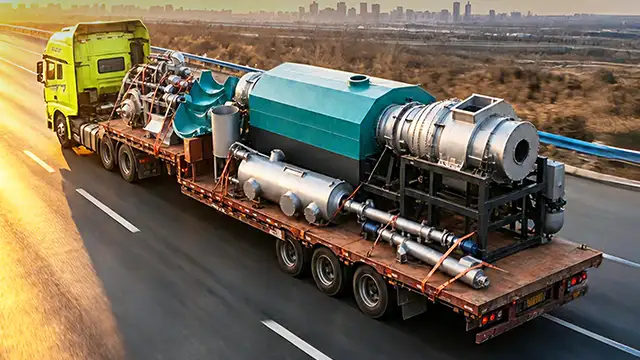
BST-06Quicker: Pilot-scale Model
90-Day CDR Project Validation
- Lightweight modular design: can be disassembled and installed in 8 hours, making relocation easy.
- Enclosed combustion technology: burns combustible gases completely to keep greenhouse gas emissions low.
- Integrated emission purification: ensures emissions meet local standards.
| Model | BST-50 Standard | BST-50 Max | BST-50S | BST-06 Quicker |
|---|---|---|---|---|
| Operating Mode | Continuous | Continuous | Continuous | Continuous |
| Application | Commercial-scale | Commercial-scale | Commercial-scale | Pilot Testing |
| Certification Platform | Isometric, Rainbow | Isometric, Rainbow | Puro.earth, Isometric, Rainbow | Rainbow |
| Reactor Material | Staineless Steel 304 | Staineless Steel 304 | Staineless Steel 310s | Staineless Steel 304 |
| Feedstock Moisture | Below 15% | From 15% to 55% | From 15% to 55% | Below 15% |
| Feedstock Size | 5-20mm | 5-20mm | 5-20mm | 5-20mm |
| Feeding Capacity (only for pyrolysis) | 10-15m³/h | 10-15m³/h | 10-15m³/h | 100-200KG/H |
| Max. Pyrolysis Temperature (Combustion Chamber) | 650℃ | 650℃ | 700℃ | 650℃ |
| Residue Retention Time | 15-20 minutes | 15-20 minutes | 15-20 minutes | 15-20 minutes |
| Operating Pressure | -20 - 0 pa | -20 - 0 pa | -20 - 0 pa | -20 - 0 pa |
| Cooling Method | Water | Water | Industrial Refrigeration Units | Water |
| Exhasut Gas Treatment | Standard | Standard | High Performance | Standard |
| Biochar Temperature | 45℃ | 45℃ | 45℃ | 45℃ |
| Annual Operating Hours | >7200hrs | >7200hrs | >7200hrs | >7200hrs |
| Service Life | 5-8 years | 5-8 years | 8-10 years | 5-8 years |
| Land Space Required (L*W*H*m) | 35*15*8 | 65*15*8 | 65*15*8 | 35*15*8 |
| Power Consumption | 121kw/h | 270-288kw/h | 270-304kw/h | 25.1kw/h |
| Water Consumption | 5-7m³/day | 5-7m³/day | 0 | 3-5m³/day |
| Fuel Consumption | 220-260m³/h | 220-260m³/h | 220-260m³/h | 30-50m³/day |
| Installation Period | 60 days | 60 days | 60 days | 7 days |
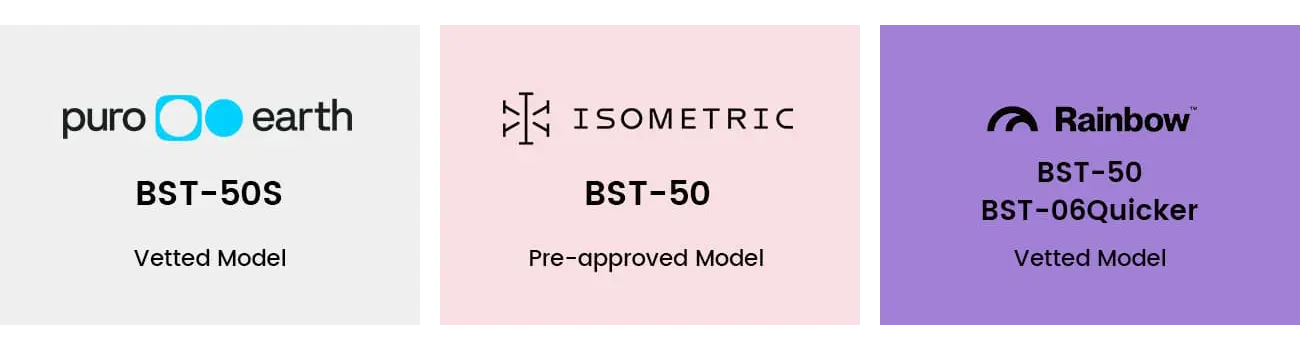
Beston Pyrolysis Technology Vetted by Puro.earth, Isometric, and Rainbow
The pyrolysis technology used in Beston charcoal making machines in Kenya has been technically vetted by Puro.earth, Isometric, and Rainbow. This gives project developers a credible technical foundation when planning biochar carbon removal (CDR) projects in Kenya and other markets. To request details on data traceability (dMRV), biochar equipment performance, and emission control, please contact our team.
| Platform | Vetted Model(s) | Vetting Date | Supporting Document |
|---|---|---|---|
| Puro.earth | BST-50S | Dec 2024 | Document |
| Isometric | BST-50 | Jul 2026 | Details on request |
| Rainbow | BST-50, BST-06 Quicker | Jul 2026 | Document; Document |
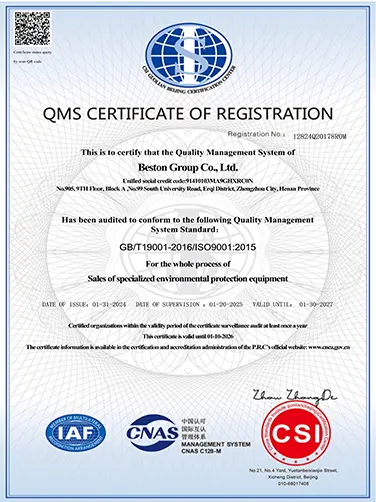
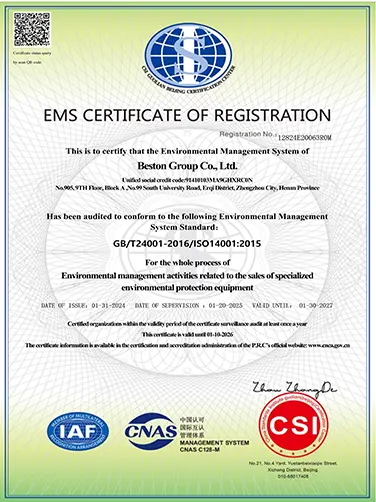
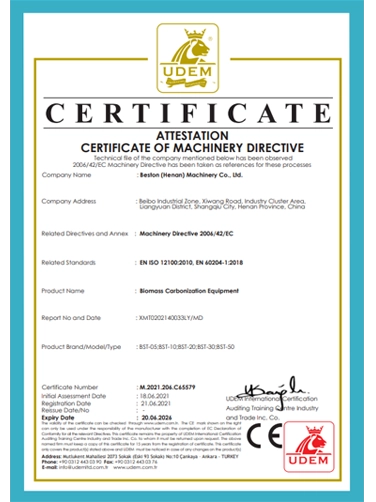
ISO & CE Certificates of Beston Charcoal Making Machine in Kenya
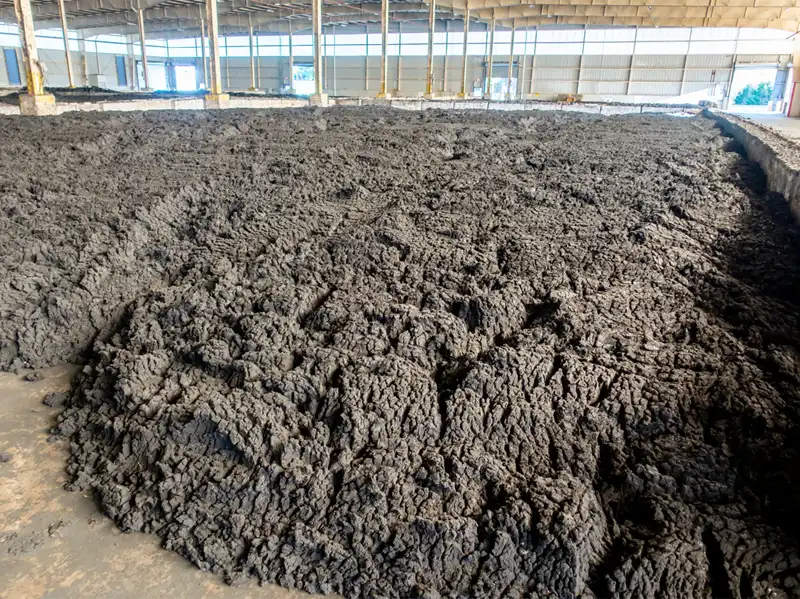
Abundant Biomass for Charcoal Production in Kenya
Agricultural and Forestry Biomass
- Typical examples: maize cobs and stalks, sawdust and wood offcuts, coffee husks, sugarcane bagasse, coconut shells, macadamia shells and invasive Prosopis juliflora
- Characteristics:
- Widely available and low cost
- Low ash content and stable quality, giving good charcoal yield
- Supply is seasonal and scattered, and moisture content varies
Municipal Sewage Sludge
- Typical sources: sewage sludge from urban wastewater treatment plants in Nairobi, Mombasa, Kisumu, Nakuru, Eldoret and other major cities
- Characteristics:
- Large, steady supply that grows with urbanization
- High moisture content, so drying is needed before pyrolysis
- Pyrolysis eliminates pathogens and greatly reduces volume


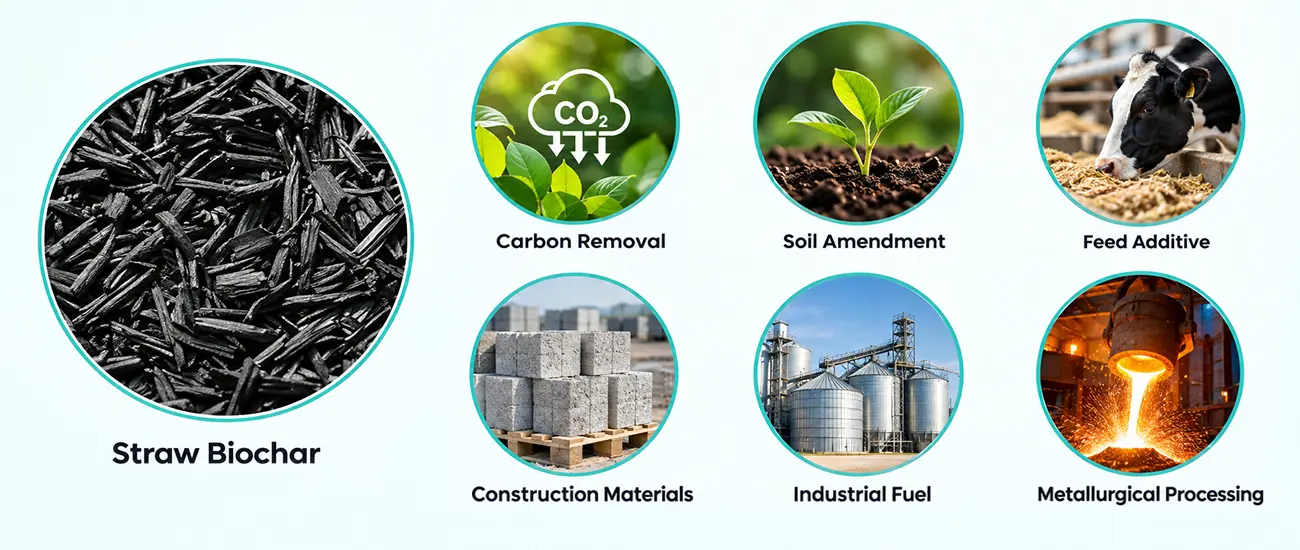
Charcoal Applications and Market Opportunities in Kenya
Industrial Fuel
Tea and coffee processors, sugar mills, and food factories use large amounts of heat for drying and boiling, often from firewood, coal, or fuel oil. Biomass charcoal can serve as a solid fuel alternative made from locally available residues, which may lower fuel costs and carbon emissions depending on local fuel prices and boiler design.
Metallurgical Fuel and Reducing Agent
Kenya’s steel rolling, foundry, and metal processing sectors rely on carbon sources such as coal and coke, much of it imported. Charcoal can serve as a renewable fuel and reducing agent for suitable processes, though carbon content, ash, and strength must meet the end user’s requirements.
Biochar for Agriculture and Soil Improvement
Kenya’s tea, coffee, horticulture, and cut-flower farms, as well as smallholder maize and vegetable growers, can apply biochar to improve soil structure and water retention. This is especially relevant in areas affected by erratic rainfall and degraded soils.
Carbon Removal and Carbon Credit Projects
Kenya has an active carbon market and a growing number of biochar and carbon removal projects. Biochar that meets registry methodologies can generate carbon removal credits, giving project developers an additional revenue source. Credit issuance depends on project design, monitoring, and verification.
Charcoal Production Process: A Step-by-Step Guide
Step 1: Pretreatment
Biomass is crushed, screened and dried to meet feeding requirements (moisture below 15%, particle size under 20 mm).
Step 2: Feeding
A screw feeder discharges the pretreated biomass at a controlled rate onto a high-angle belt conveyor, which delivers it into the pyrolysis reactor.
Step 3: Pyrolysis
In an oxygen-limited environment at 400–500°C, the biomass rotates inside the reactor for even heating and complete carbonization. Volatiles are released and the biomass is converted into charcoal (biochar).
Step 4: Charcoal Collection
A screw conveyor discharges the charcoal from the reactor. A water-cooled conveyor then cools it to below 45°C before collection, which prevents it from igniting on contact with air.
Benefits of Opting for Beston Charcoal Making Machine in Kenya
Environmental Compliance
- EU-Standard Dedusting System: Equipped with multi-stage exhaust gas purification and desulfurization facilities, ensuring emissions easily comply with EU and Kenya NEMA environmental standards.
- Enclosed Combustible Gas Combustion Chamber: Recycles synthesis gas generated during pyrolysis for self-heating, achieving smokeless production and energy circularity.
High Efficiency
- Flue Gas Recirculation Technology: Recycles heat from hot flue gas directly into the dryer to pre-dry biomass feedstocks, significantly boosting overall energy efficiency.
- Syngas Recycling Technology: Captures and routes non-condensable combustible gases back to the furnace as fuel, enabling self-sustaining operation and dramatically reducing external fuel consumption.
Safety Guarantee
- Real-Time Pressure & Temp Monitoring: Multi-point sensors with auto-alarms to prevent over-temperature and over-pressure risks.
- Explosion-Proof & Anti-Backfire: Water seals, explosion-proof valves, and anti-backfire devices improve safety.
- Emergency Auto-Shutdown: Smart PLC control program triggers instant cooling or power-off during anomalies.

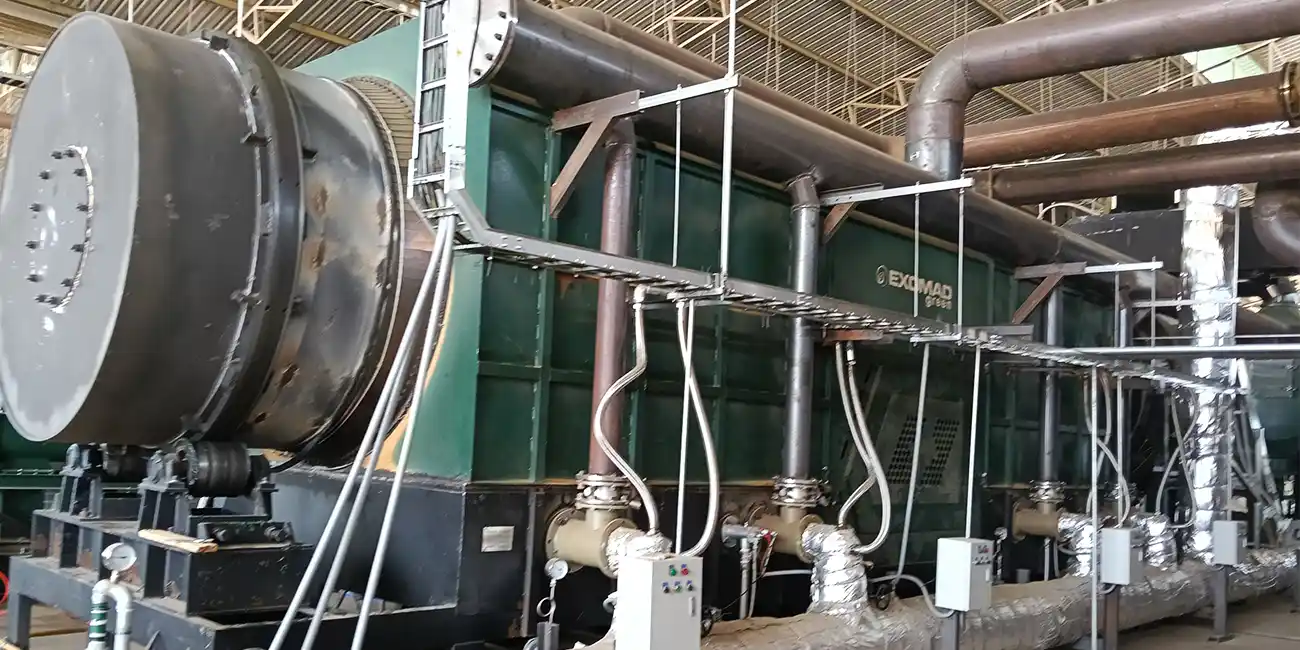
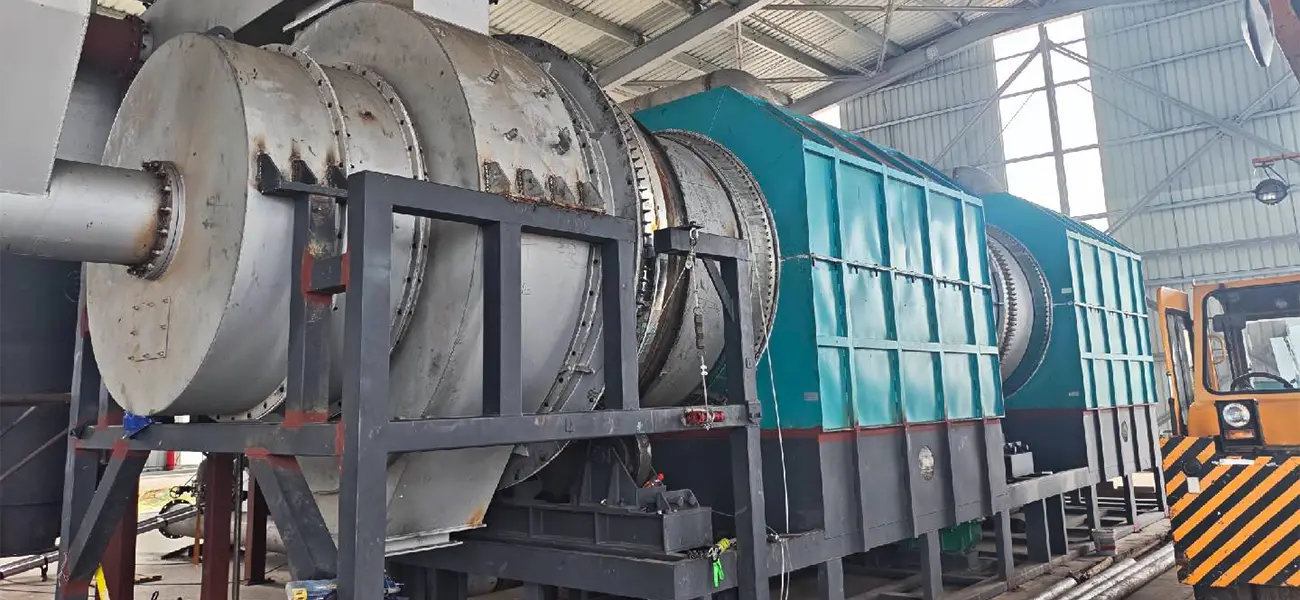
Worldwide Success Cases of Beston Charcoal Equipment
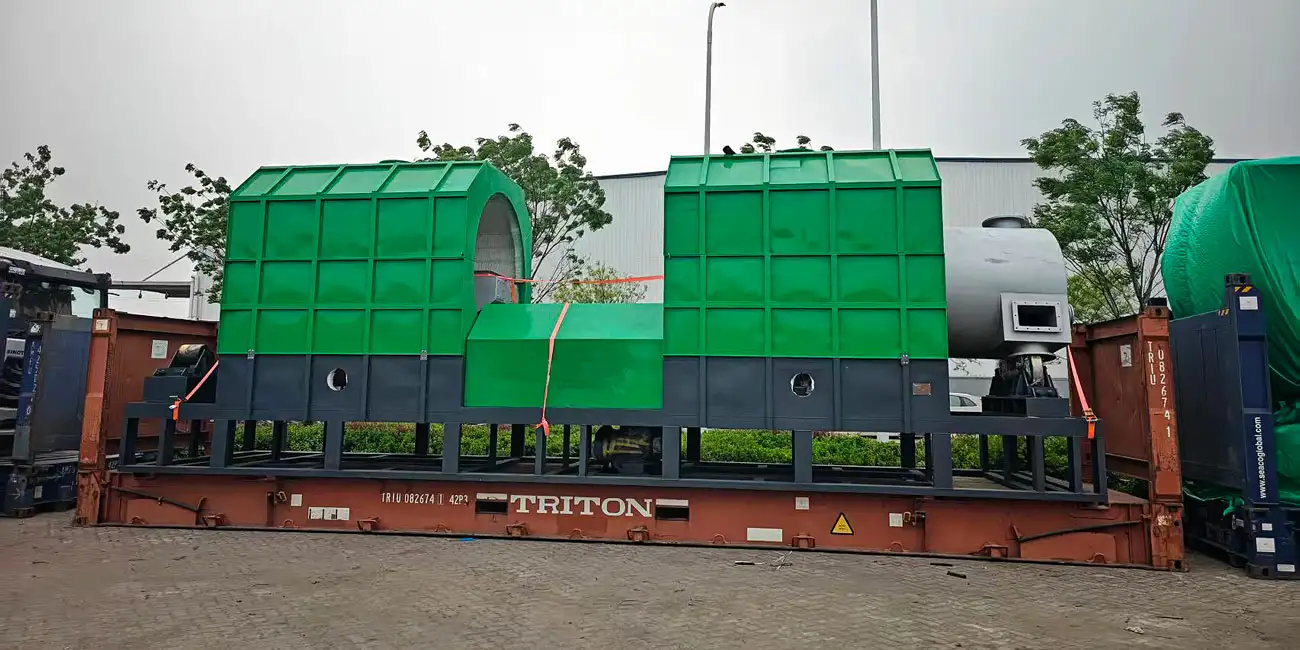
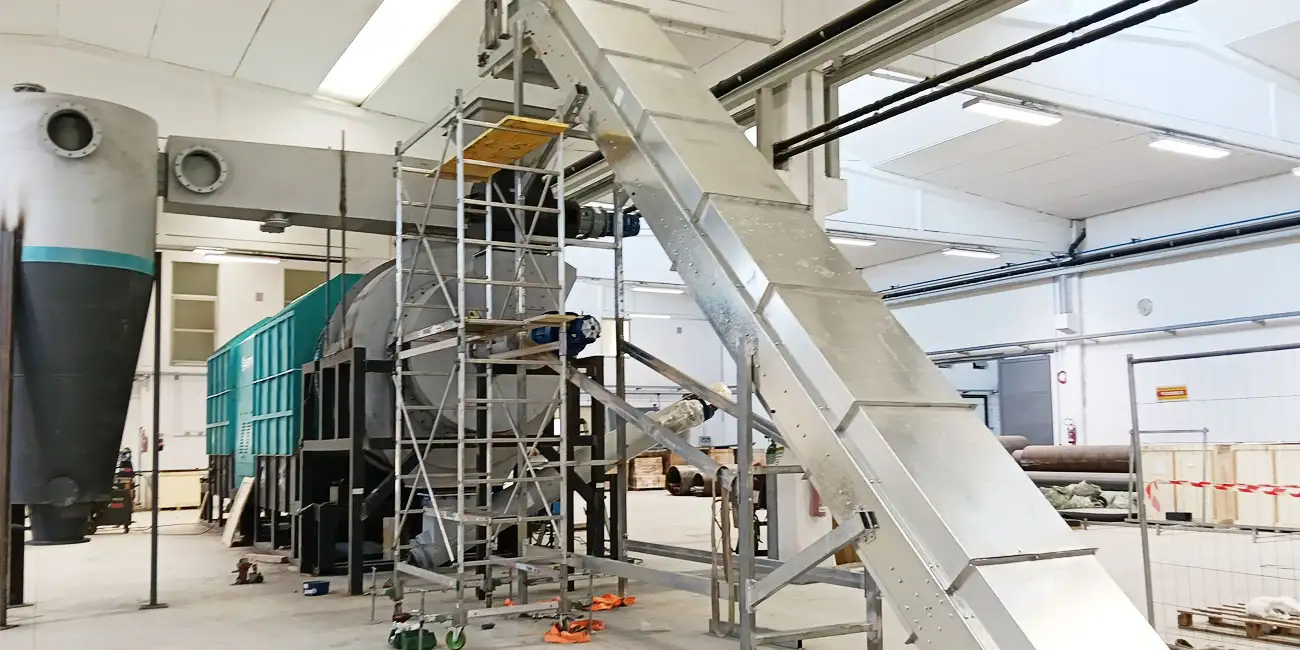
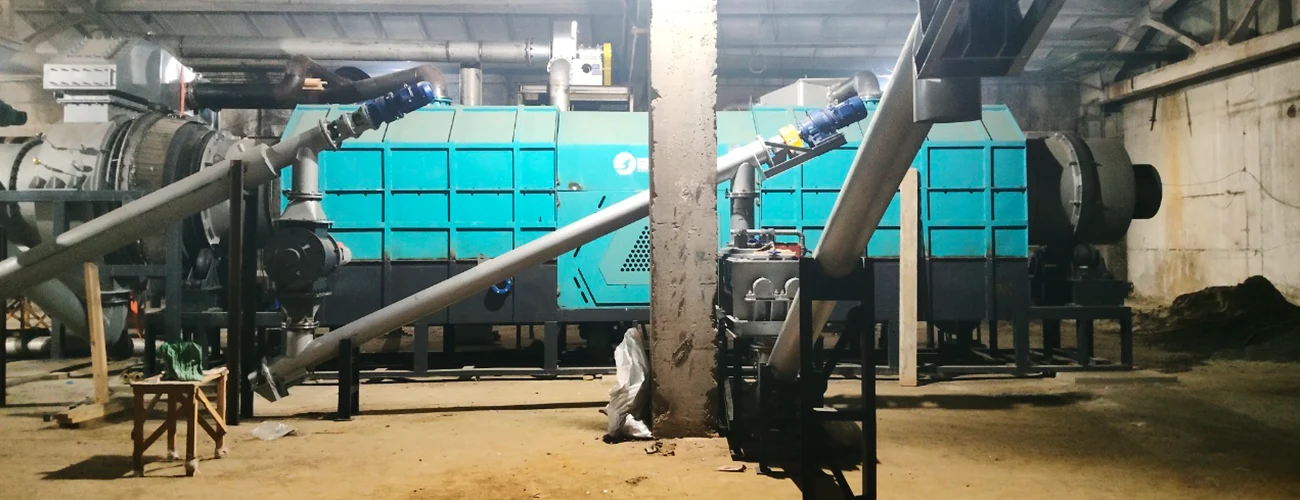
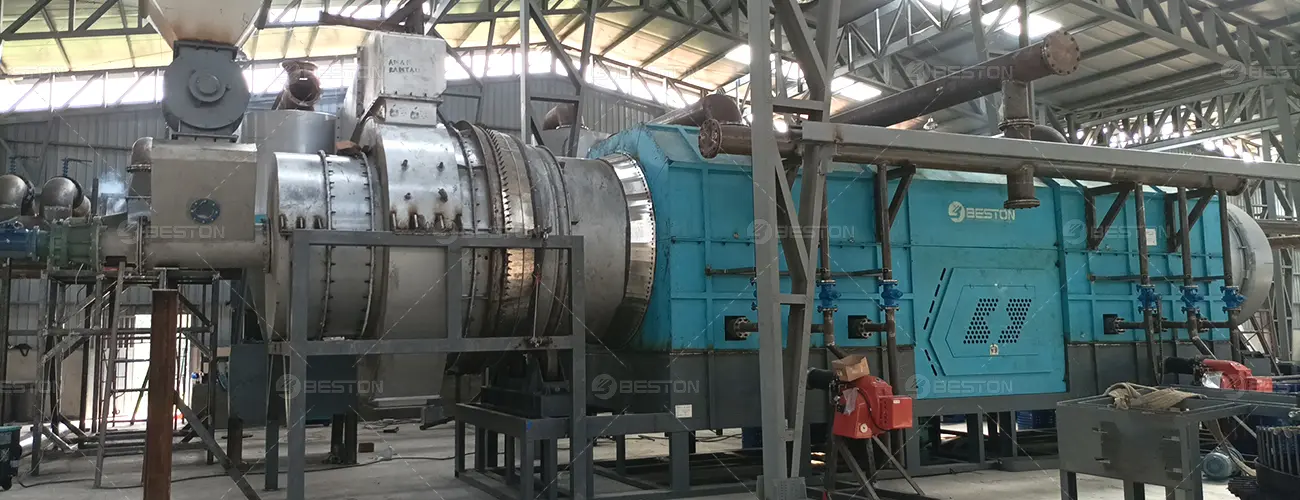
Beston Group has more than ten years of export experience. We work with clients in many countries around the world. Consequently, our charcoal making machine projects have spread all over the world. Below are some success cases.



Establish Cooperation with Beston Group in Kenya
Investing in a charcoal making machine in Kenya offers huge potential and strong ROI. Beston Group’s professional team provides customized solution designs and full-lifecycle support, including installation, commissioning, and staff training. Contact us today to discuss your charcoal or biochar production project in Kenya. Follow us on LinkedIn for the latest project updates and industry insights!