Pyrolysis and hydrothermal carbonization (HTC) take opposite routes in water handling when treating sewage sludge: pyrolysis decomposes dried sludge at 450–600 °C in an oxygen-free reactor and typically requires pre-drying, while HTC processes wet sludge directly in subcritical water at 180–250 °C under autogenous pressure. As a result, they differ in pre-drying energy demand, char properties, process streams, and capital complexity.
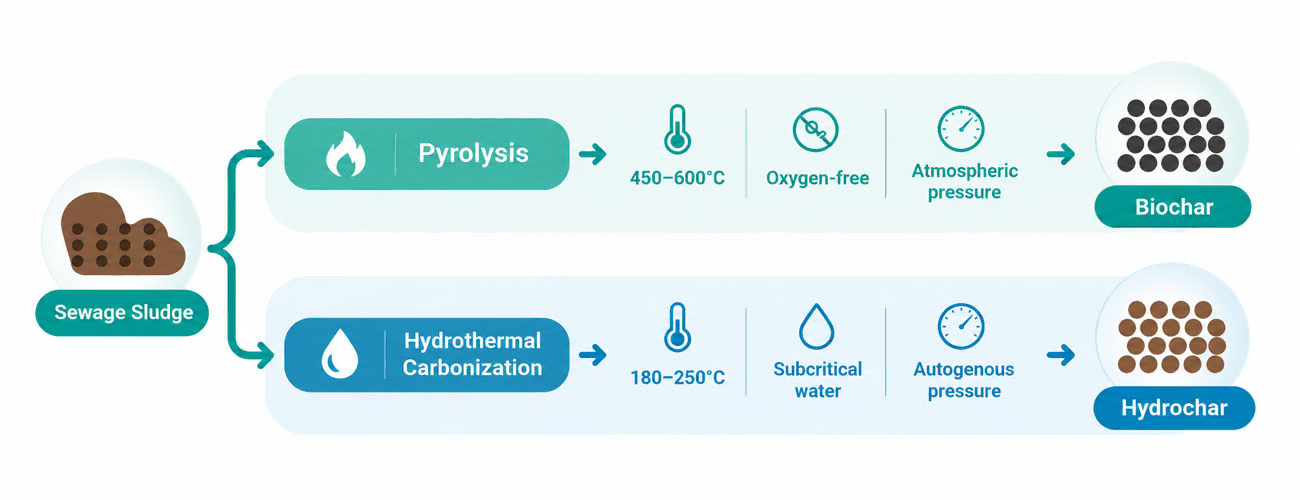
Quick Comparison: Sewage Sludge Pyrolysis vs. Hydrothermal Carbonization
| Feature | Pyrolysis | Hydrothermal Carbonization |
|---|---|---|
| Operating temperature | Typically 450°C–600°C | Typically 180–250 °C |
| Operating pressure | Near atmospheric | Autogenous, roughly 2–4 MPa |
| Residence time | 15–60 minutes (slow pyrolysis) | Typically 0.5–6 hours |
| Reaction medium | Oxygen-free atmosphere | Subcritical water |
| Feedstock moisture | Dry sludge (typically <10–15% moisture) | Wet sludge (typically 70–90% moisture) |
| Main solid product | Biochar | Hydrochar |
| Other products | Syngas, bio-oil | Process water (liquid phase) and minor gas (largely CO₂) |
| Pre-drying requirement | Required (high drying demand) | Not required |
| Technology maturity | Commercial, multiple full-scale sludge plants | Early commercial; more research than real-world use |
Deeper Comparison: Sewage Sludge Pyrolysis vs. Hydrothermal Carbonization
Feedstock Moisture & Pre-drying
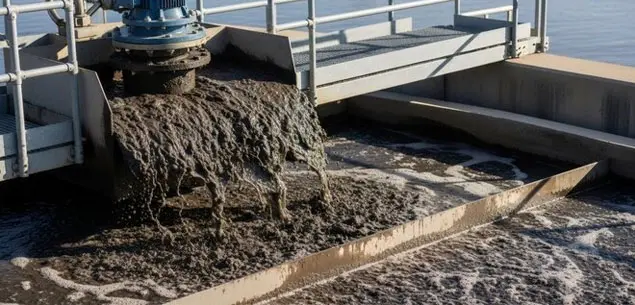
Pyrolysis: Typically requires dried sludge. When processing municipal sludge cake (often around 80% moisture), thermal drying using equipment such as a belt or paddle dryer is commonly required. In many systems, sludge is dried to approximately 10–15% moisture before entering the pyrolysis reactor. This drying stage can account for a substantial share of the total energy demand.
HTC: Processes wet sewage sludge, typically containing 70–90% moisture, without extensive pre-drying. Mechanical dewatering or dilution may be used to adjust the feedstock solids concentration.
Solid Product: Biochar vs. Hydrochar
| Feature | Sewage Sludge Biochar | Sewage Sludge Hydrochar |
|---|---|---|
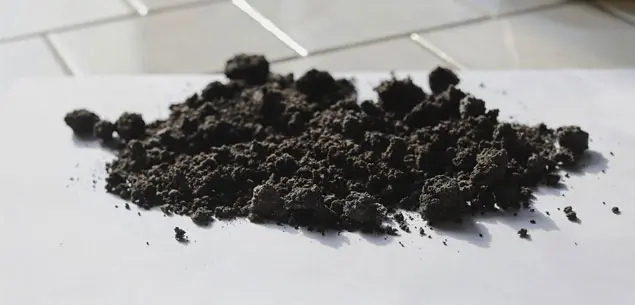
| Structure & Stability | Higher aromatic structures and long-term carbon stability | Higher volatile matter, greater chemical reactivity, and lower thermal stability |
| Potential Applications | Construction additives, Soil amendment, contaminant adsorption | Solid fuel co-firing, wastewater adsorbents |
Note: Both products require contaminant testing and regulatory assessment before use, particularly for land application.
Organic Pollutant Removal
Pyrolysis generally achieves greater removal of organic pollutants through high-temperature decomposition, while HTC operates at lower temperatures, where some contaminants may persist or transfer into the process water.
| Comparison | Pyrolysis | HTC |
|---|---|---|
| Treatment Temperature | 600°C | 180°C |
| Pollutants Studied | PCBs, PAHs, PPCPs | PCBs, PAHs, PPCPs |
| Reported Removal | ≥99.9% | Approximately 48–70% |
Both: Heavy metals are generally retained or concentrated in the solid products, requiring careful management.
Waste Stream Management
Pyrolysis: Generates exhaust gases and condensable liquids that require appropriate gas cleaning, emissions control, and wastewater treatment where applicable.
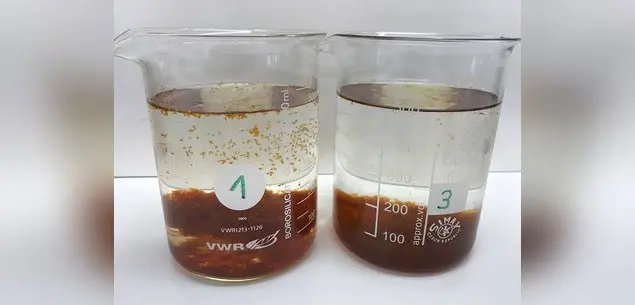
HTC: Produces process water with high chemical oxygen demand (COD), often reaching tens of g/L, along with dissolved nitrogen compounds and varying amounts of phosphorus. Returning this water to a wastewater treatment plant increases its organic and nutrient loads. **Wastewater treatment can therefore represent a high operating cost in HTC projects and should be included in feasibility assessments.
Technology Maturity & Commercial Deployment
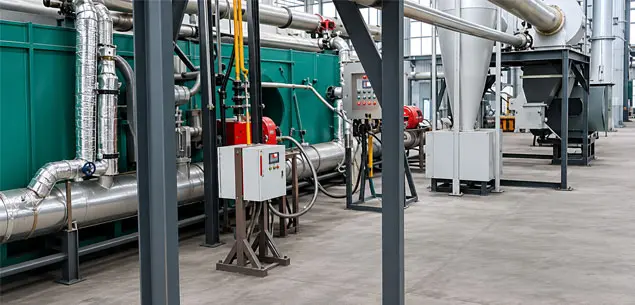
Pyrolysis: Relatively more mature than HTC. Commercial sewage sludge pyrolysis plants are already operating in Europe, North America, and Asia, mostly at small to medium scale. It is still an emerging route compared with incineration or anaerobic digestion, and large-scale operating data remain limited.
HTC: Still at an early commercial stage. A small number of industrial-scale plants have been built, but pilot projects and research activity are more common, and published research still outweighs real-world project data for municipal sewage sludge.

Investment Cost & Economic Return
Pyrolysis: Capital costs cover drying and dewatering units and pyrolysis carbonization systems. For reference, a municipal sewage sludge pyrolysis project of about 45,000 tonnes per year (as-received sludge) can fall in the range of US$1-2.5 million for the main equipment package. Drying energy is typically the highest operating cost, so economics depend heavily on local energy costs and the pyrolysis system’s heat-recovery efficiency.
HTC: Capital costs center on pressurized reactors and process water treatment infrastructure. For reference, an early supplier estimate for a 2-reactor HTC plant treating up to 23.400 tons of sewage sludge yearly put the investment at roughly €2.8 million (about US$3 million). A German techno-economic study noted that efficient phosphorus recovery and cost-effective process-water treatment can improve HTC’s economic competitiveness.
Pyrolysis vs HTC: The Bottom Line
Pyrolysis and HTC both turn sewage sludge into valuable solids, but they solve different problems. Pyrolysis is a dry, high-temperature route with strong pollutant destruction and a need for upstream drying. HTC is a wet, lower-temperature route that sidesteps drying but creates a liquid stream to manage. Utilities should compare them using pilot data, local regulations, energy costs and end-product markets rather than assuming one is universally superior.
Explore Industrial Sewage Sludge Pyrolysis Solutions
If you need to convert sludge into stable biochar with energy recovery, sewage sludge pyrolysis can be a practical route. Our engineering team designs and supplies complete sewage sludge pyrolysis systems, from drying and feeding to the reactor, off-gas treatment, and heat recovery. Talk to our engineers to discuss your sludge characteristics and get a tailored technical proposal.