Naphtha is a critical intermediate product in petroleum refining and a cornerstone of the global industrial economy. As a versatile light hydrocarbon, it serves as the primary feedstock for the petrochemical, energy, and plastics industries. This article explores its properties, production routes, and the evolving market landscape.

1. Definition and Properties of Naphtha
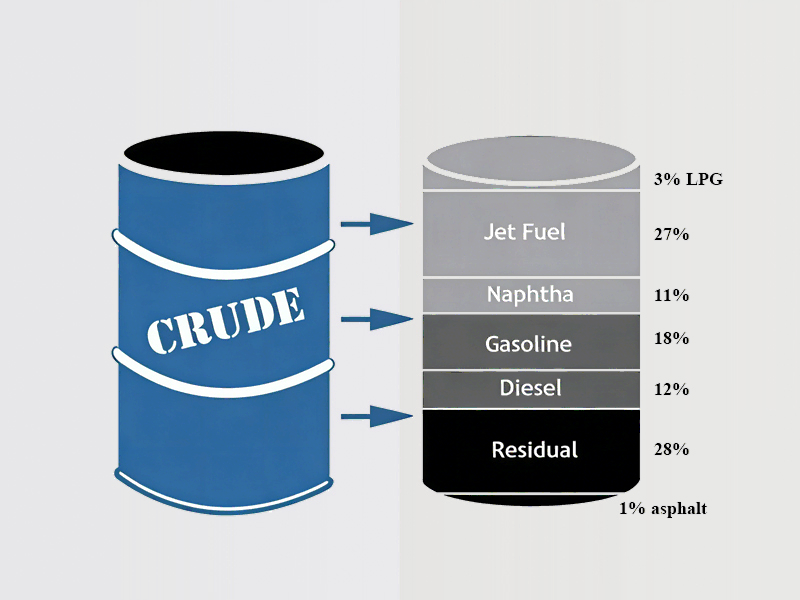
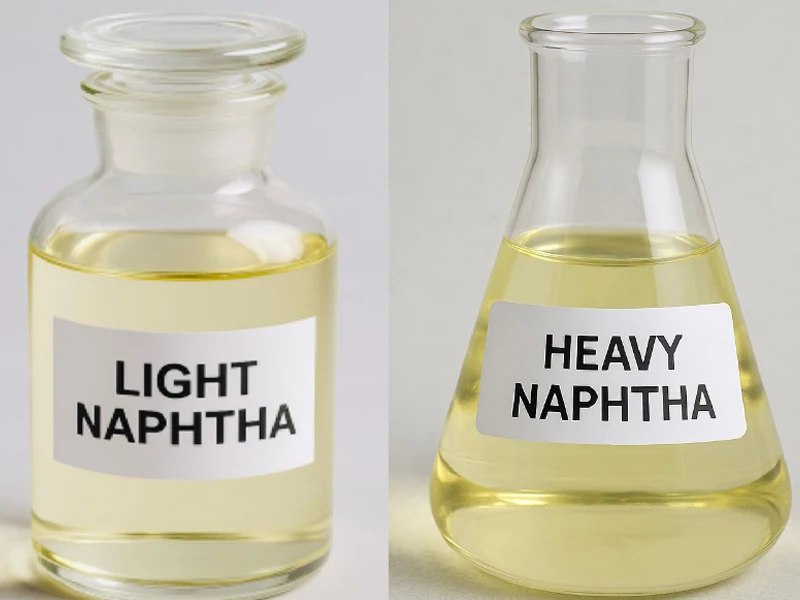
Naphtha is a light hydrocarbon substance refined from crude oil, typically composed of C5 to C10 hydrocarbons. It is usually separated from crude oil in a distillation tower during petroleum refining through heating and fractionation processes, and is considered a medium-boiling point petroleum product.
Performance Indicators:
- Density: The density of naphtha is typically between 0.7 and 0.8 g/cm³.
- Volatility: Due to its composition of light hydrocarbons, naphtha has high volatility and evaporates easily at room temperature.
- Flammability: As a liquid fuel, naphtha has excellent combustion characteristics in energy production and a low flash point.
2. Applications of Naphtha

Feedstock for Petrochemicals
Naphtha plays a crucial role in the chemical industry, especially in the production of basic chemicals. Through cracking reactions, naphtha is converted into key olefins, such as ethylene and propylene, which are essential feedstocks for the production of plastics, synthetic fibers, and rubber.
Industrial Solvent
Naphtha is a widely used industrial solvent, finding applications in household cleaners, oil paints, detergents, and stain removers.

Gasoline Blending
Via catalytic reforming, naphtha is transformed into high-octane gasoline fractions known as reformate. When blended into gasoline, naphtha helps enhance the fuel’s power, reduce engine knocking noise, and improve the gasoline’s ability to start more easily at low temperatures.
Industrial Fuels
As a fuel, naphtha is commonly used in engines, boilers, and other equipment. It exhibits good combustion properties, providing stable energy support in the energy conversion process, especially in high-efficiency internal combustion engines or steam generators.
- Diesel Substitute: In some regions, naphtha is used as a substitute for diesel to reduce reliance on petroleum.
3. Main Production Routes of Naphtha

Traditional Route: Crude Oil Distillation to Obtain Naphtha
The traditional production route of naphtha mainly relies on crude oil distillation. In this process, crude oil is heated to high temperatures and fractionated into components with different boiling points. Naphtha is typically extracted in the temperature range of 150°C to 250°C, as a light hydrocarbon with a medium boiling point. It is widely used in the chemical, energy, and plastics industries as a raw material for the production of basic chemicals.
Process Overview: Crude oil is separated into naphtha in a refinery through a distillation column based on its boiling point.
Advantages: The technology is mature and stable, enabling large-scale production. This method has been used for decades and remains the most commonly used method today.
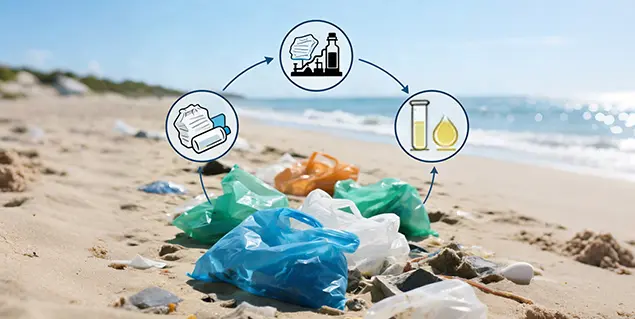
Emerging Route: Pyrolysis of Plastics to Extract Naphtha
With the increasing demand for waste recycling and resource utilization, plastic pyrolysis technology is being applied to convert waste plastics into naphtha. Through high-temperature cracking and distillation of waste plastics, hydrocarbon liquids similar to naphtha can be produced.
Process Overview: Waste plastics are cracked under high-temperature conditions to produce light hydrocarbons, from which naphtha is extracted through distillation.
Advantages: Meets environmental protection requirements, reduces plastic waste, improves resource utilization efficiency, and aligns with the trend of a circular economy.
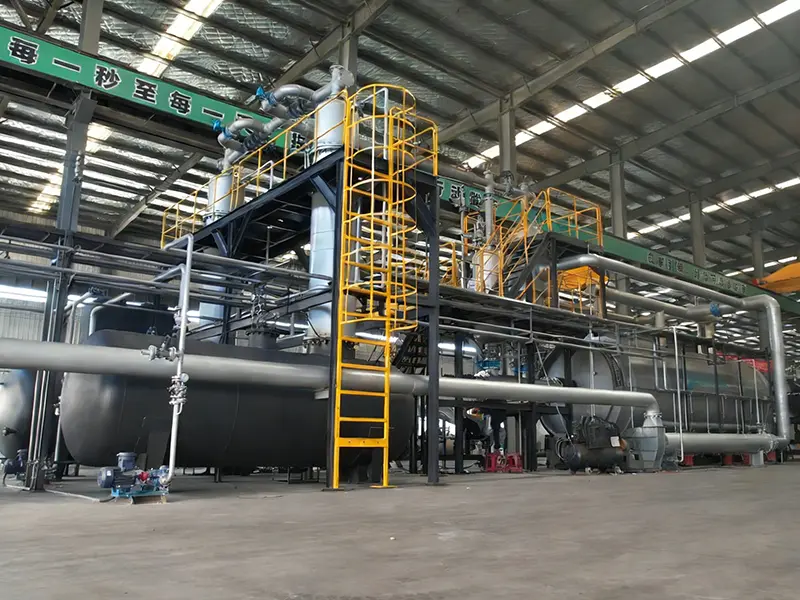
Beston Group Innovative Solution: Integrated Pyrolysis + Distillation System
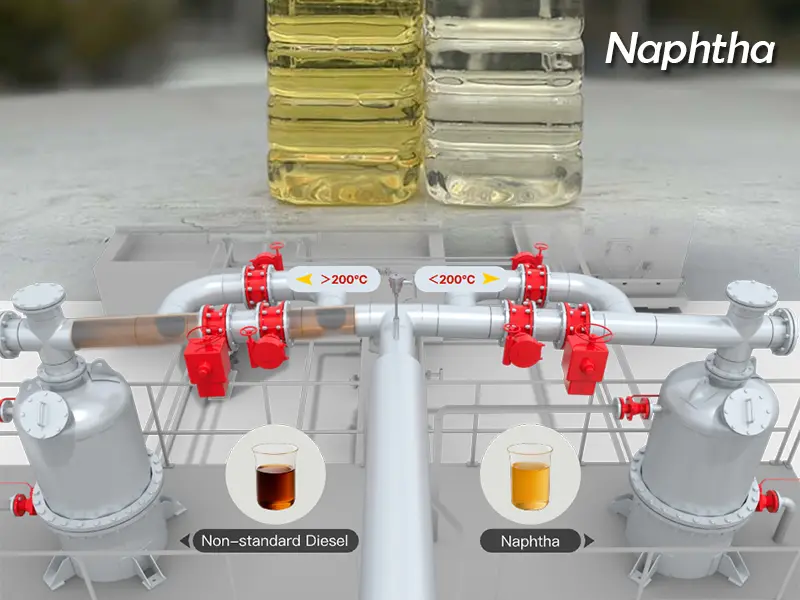
Beston Group is renowned for its advanced environmental technologies and is committed to developing innovative solutions in the field of waste treatment and resource recovery. For naphtha production, Beston Group has introduced an integrated pyrolysis + distillation system. Naphtha is collected below 200°C, and non-standard diesel is collected above 200°C. The unique aspect of this technology lies in its combination of waste plastic pyrolysis with the naphtha extraction process, creating an efficient, environmentally friendly, and low-carbon production system. This process eliminates the need to transfer raw materials from the pyrolysis unit to the distillation equipment, reducing multiple operations and energy losses between equipment.
4. Current Status and Future Trends of the Naphtha Market
Global Market Overview
The global naphtha market has been growing steadily, particularly in regions like Asia and the Middle East, where the petrochemical industry is rapidly expanding. According to market research, the global naphtha market size exceeded $100 billion in 2023 and is expected to continue expanding in the coming years.
Asian Market: China and India are major consumers of naphtha, driving the growth of the petrochemical industry, particularly in the demand for plastics and basic chemicals.
Middle Eastern Market: With abundant petroleum resources, countries like Saudi Arabia and the UAE have become major producers and exporters of naphtha.
Environmental Regulations and Technological Innovation
As environmental regulations tighten globally, the petrochemical industry faces increasing demands for lower emissions. The introduction of innovative processes, such as pyrolysis technology and carbon capture technologies (CCS), provides greener and more efficient solutions for naphtha production. Many petrochemical companies are now investing in sustainable production processes, such as using renewable energy sources (e.g., solar and wind) to reduce carbon emissions.
Increased Demand for Green Chemicals: As the demand for environmentally friendly products grows, the production of naphtha as a basic raw material will increasingly focus on environmentally sustainable practices.
Future Trends: Resource Recycling and Green Technologies
- Waste Resource Utilization: The application of pyrolysis, gasification, and other technologies will promote the conversion of waste plastics and other industrial waste into naphtha and other valuable products, advancing resource recycling.
- Rise of Green Chemicals: With the increasing focus on environmental protection, the demand for green alternatives in naphtha production, such as bio-based naphtha or biodegradable materials, will emerge as a new trend in the industry.
- Policy Orientation: National policies supporting green development will be a significant driver of future trends in the naphtha industry. In regions like Europe and North America, green policies and carbon trading mechanisms will further encourage the development of environmentally friendly naphtha production.
Conclusion
Naphtha, as an important intermediate product in petroleum refining, has wide applications in the chemical industry, energy sector, and plastic production. With increasingly strict environmental regulations and the advancement of resource recycling technologies, the production and application of naphtha will become more sustainable. In the future, with the advancement of technological innovations, the naphtha market will present more opportunities for growth while facing environmental and resource challenges.