As the 2030 decarbonization milestones approach, FMCG giants such as P&G, Unilever, and Adidas are rapidly scaling their sustainability strategies. In this landscape, pyrolysis oil—acting as the technical cornerstone for displacing fossil-based feedstocks and optimizing supply chain emission factors—is emerging as a high-value carbon mitigation asset. Through molecular circularity, pyrolysis oil allows multinational corporations to decouple growth from virgin fossil resources, effectively forming a strategic advantage in corporate ESG reporting.

The Strategic Value of Pyrolysis Oil for Supply Chain Decarbonization
The core logic behind multinational brands paying a premium for pyrolysis oil lies in the optimization of their end-products’ life cycle assessment (LCA) footprint.
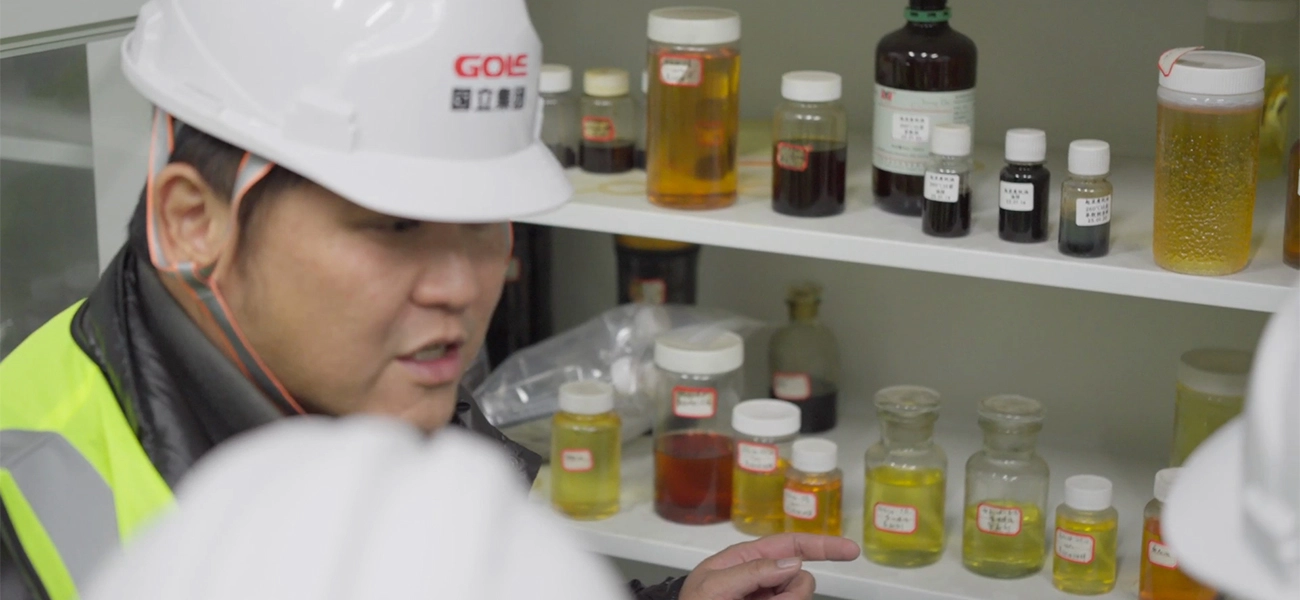
1. Fossil-based Feedstock Displacement
- LCA Phase: Raw Material Acquisition
- Implementation Path: Pyrolysis oil, as a sustainable feedstock, is fed into steam crackers, replacing an equivalent quantity of fossil-based naphtha. The resulting monomers, such as ethylene and propylene, are molecularly identical to those from virgin plastics, allowing brands to claim “virgin-grade recycled plastic” content on their packaging or products.
- ESG Accounting Value: Based on the Mass Balance approach, this reduces the emission factor for Scope 3 Category 1 (Purchased Goods and Services) in the ESG report, driving progress toward 2026–2030 carbon reduction targets.
2. Avoided Emissions
- LCA Phase: End-of-Life Waste Treatment
- Implementation Path: Shift plastic waste management from high‑emission incineration or long‑polluting landfilling to pyrolysis recycling. Pyrolysis pant can retain carbon within the production cycle, effectively reducing the end‑of‑life footprint of brand products.
- ESG Accounting Value: This provides compliant emissions reduction data for Scope 3 Category 12 (End-of-Life Treatment of Sold Products) in the ESG report. At the same time, it directly improves a company’s ESG rating by enhancing the key circularity metric of the Landfill Diversion Rate.
Core Drivers: Why Global Brands are Racing to Secure Pyrolysis Oil Capacity?
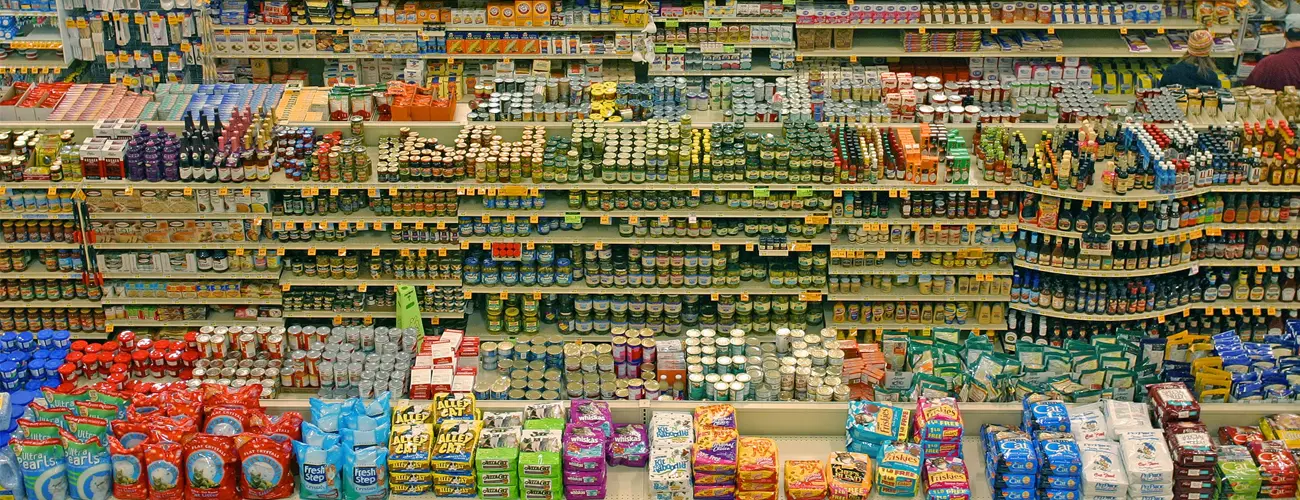
Regulatory Mandates & Compliance
The EU’s PPWR mandates that by 2030, all plastic packaging must contain a specific percentage of recycled components (up to 30%-35% for certain categories). Mechanical recycling capacity alone cannot bridge this gap. Accordingly, procuring pyrolysis oil is a critical pathway to closing the compliance gap and mitigating market access risks.
Technical Synergy and Compatibility
Pyrolysis oil is technically compatible with existing industrial systems. Multinational chemical giants such as Dow and BASF can directly feed pyrolysis oil into their current steam crackers without large-scale plant modifications. This allows them to calculate the recycled content in their products using the Mass Balance approach.
Financial and Tax Cost Control
Procuring pyrolysis oil can reduce indirect non-emission-related costs, such as avoiding environmental taxes. The UK, Spain, and the EU have already begun levying a tax of approximately €800 per tonne on virgin plastics. By purchasing pyrolysis oil to replace virgin materials, brands can directly reduce tax costs.
Supply Chain Security and Reserve
Current production of high-quality pyrolysis oil falls far short of market demand. Multinational corporations are securing future supplies of premium feedstocks through Off-take Agreements. This helps mitigate cost uncertainties stemming from petroleum price fluctuations and potential increases in carbon taxes.
Green Brand Image and ESG Value
Showcasing “closed-loop recycling” or recycled material application cases in ESG reports helps enhance a company’s sustainability image, increase investor and consumer recognition, and support product premiums and long-term market competitiveness.
How Global Brands Act to Integrate Pyrolysis Oil into Decarbonization Framework?

1. Securing Supply: Sign Long-Term Offtake Agreements
The current supply of high-quality pyrolysis oil is is limited by chemical recycling capacity. To bridge this gap, leading brands are shifting from spot transactions to 5-10 year Offtake Agreements. This provide the necessary financial certainty to de-risk capital investments for pyrolysis oil manufacturers, thereby accelerating the deployment of industrial-scale commercial pyrolysis facilities.
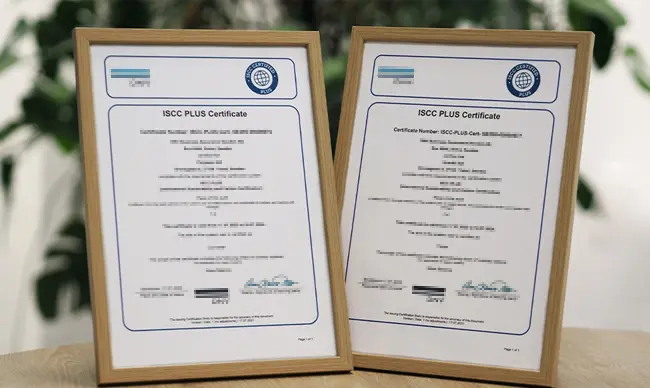
2. Audit Readiness: Establish ISCC PLUS Full-Chain Traceability
To ensure ESG decarbonization data complant, multinational brands are demanding ISCC PLUS certification for the full supply chain —including waste collectors, pyrolysis oil plants, chemical refiners, and plastics converters. This is because pyrolysis oil is mixed with crude oil in steam crackers and cannot be physically separated. By sourcing pyrolysis oil with ISCC PLUS certification based on mass balance, brands can allocate recycled attributes proportionally to the final product during audits.

3. Circular Supply Chains: Govern Waste Stream for Recycling
Multinational brands like Adidas and Michelin can spearhead targeted waste recycling projects, diverting post-consumer plastics and waste tires to professional pyrolysis facilities. By reintegrating the resulting pyrolysis oil back into their upstream supply chains, these companies are establishing a closed-loop system that drives both resource circularity and significant carbon reductions.
Beston Group: Powering the Low-Carbon Transition with Precision Pyrolysis Technology
As a pivotal technology partner in the global circular economy, Beston Group provides the industrial “engine” that enables brands to convert ESG commitments into measurable decarbonization assets. We bridge the gap between waste management and high-value chemical feedstock through three core technical advantages:
To meet the urgent demand for high-quality, compliant pyrolysis oil from global brands, Beston Group provides critical technical support through continuous innovation. As a leader in pyrolysis technology, we offer certified, high-quality TPO solutions to help your brand achieve its 2030 climate goals.
- Industrial-Scale Continuous Technology: Beston Group’s continuous pyrolysis equipment ensures stable production and optimized thermal efficiency. This reliability directly supports the 5–10 year Offtake Agreements required by major brands for supply chain security.
- Audit-Ready Compliance (ISCC PLUS Support): Our technology ensures that the resulting pyrolysis oil meets the rigorous physical and data requirements of ISCC PLUS certification. A landmark Beston client in Finland has already successfully achieved this certification, proving our equipment’s capability to help partners enter the high-value ESG supply chains of global giants.
Future Outlook: Toward Decarbonization Industry
For global brands ambitious to hit 2030 decarbonization targets, pyrolysis oil has emerged as a powerful tool to enhance long-term ESG performance and market competitiveness. By securing long-term capacity and enforcing full-chain ISCC traceability, global brands are doing more than just meeting compliance—they are securing a net-zero future. The era of molecular-level circularity is coming, and those who master the pyrolysis value chain today will define industrial competitiveness for the next decade.