As biogas production projects continue to scale up, digestate volumes keep increasing. This creates long-term pressure on land application capacity, operating costs, and regulatory compliance. Converting digestate into biochar through pyrolysis enables volume reduction, carbon stabilization, and nutrient retention. This biochar production approach not only improves digestate management efficiency but also strengthens circular resource utilization across the biogas value chain.
What is Digestate?
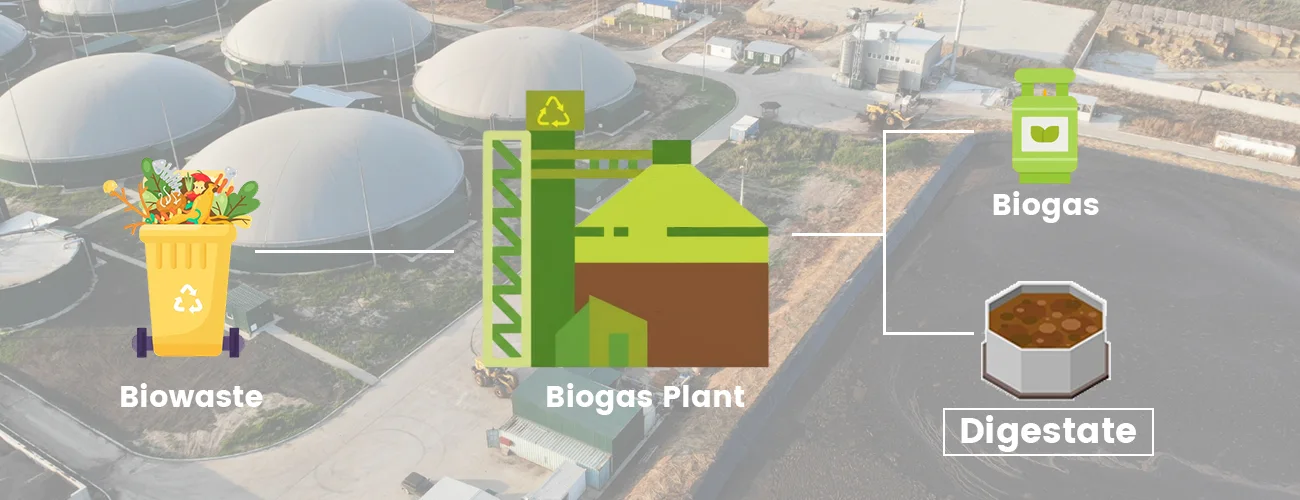
Digestate is an unavoidable by-product generated during biogas production. In the anaerobic digestion process of biogas generation, agricultural waste, livestock manure, and organic solid waste are used as raw materials. Under anaerobic conditions, microorganisms convert organic matter into a methane and carbon dioxide mixture, known as biogas. The partially degraded material remains as a solid-liquid mixture, collectively referred to as digestate, with the main components as follows:
- Solid Digestate: Primarily composed of partially degraded structural organic matter and inorganic mineral components.
- Liquid Digestate: Contains soluble ammonium nitrogen (NH₄⁺-N), potassium, and other soluble nutrients.
Digestate Disposal Challenges
With the continued expansion of industrial-scale anaerobic digestion projects, digestate has become a by-product generated in large quantities. For example, in the European market, the annual production of digestate has reached several tens of millions of tons in recent years. In biogas and biomethane projects, digestate has become an unavoidable by-product that requires long-term, compliant management. However, existing treatment methods still face significant limitations:
Direct Application to Land
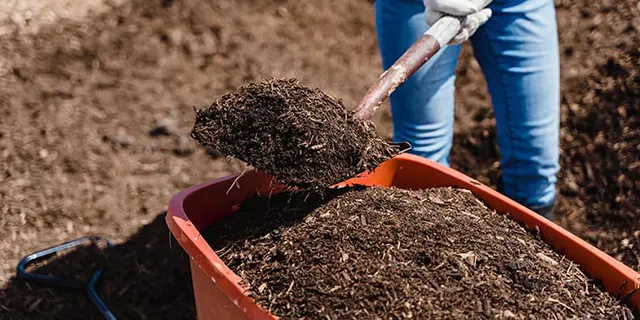
Digestate or digestate liquid is applied directly to agricultural land or composted and used as organic fertilizer. Limitations:
- Limited by the arable land area and fertilization season, it is difficult to achieve application of industrial-grade digestate.
- During application or composting, there may be emissions of CH₄ and N₂O, as well as nitrogen loss in the soil.

Dehydration+External Disposal
Mechanical dehydration and thermal drying reduce digestate volume. It is then disposed of in landfills, incinerated, or centrally. Limitations:
- High energy consumption and transportation costs put significant economic pressure on small and medium-sized biogas plants.
- This approach is more of a “material transfer” rather than resource utilization, and it leads to greenhouse gas emissions.
Bedding Material
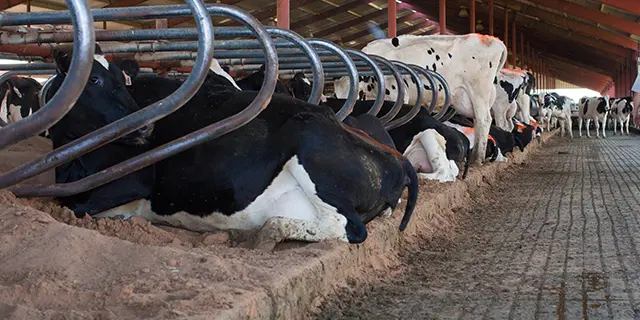
Separated solid digestate is used as bedding material for cattle, pigsties, or other auxiliary uses within farms. Limitations:
- Disposal capacity is limited and cannot cope with the continuously increasing volume of digestate.
- High requirements for hygiene, biosecurity, and management conditions limit its application scenarios.
Advantages of Digestate Biochar Production
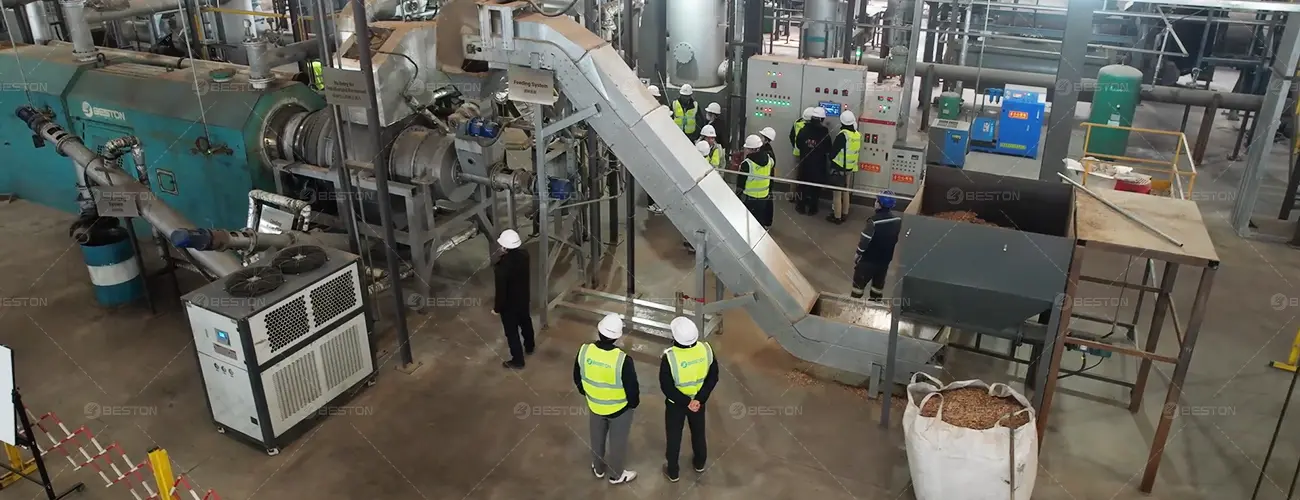
To achieve sustainable industrial-scale recycling, the pyrolysis of digestate into biochar has emerged as a new solution. This process typically begins with solid-liquid separation: manage digestate liquid separately, and feed the solid digestate into the pyrolysis system. Trough biochar machine, the organic residuals in the solid digestate undergo thermal decomposition under anaerobic, high-temperature conditions. As a result, digestate is transformed into a low-volume, high-stability solid carbon material—biochar. This solution brings three key advantages:
Reduction
- Low-volume Biochar: The organic volatile components in solid digestate form recoverable combustible gases, significantly reducing the volume
- Simplified Disposal: After pyrolysis, digestate biochar becomes stable. It makes biochar storage, transportation, and subsequent management more efficient.
Resource Recovery
- Stable Organic Carbon: Degradable organic carbon in digestate becomes stable and long-lasting. Good adsorption and durability enhance its application value.
- Mineral Nutrient Fixation: Mineral nutrients in digestate fix within carbon structure. Thus, it preserves the agricultural and environmental application potential.
Detoxification
- Pathogen Elimination: High-temperature, anaerobic environment of pyrolysis weakens the pathogens present in digestate, reducing potential biological safety risks.
- Nitrogen Fixation: Pyrolysis transforms nitrogen in digestate from volatile ammonium nitrogen into stable solid forms, thus lowering the risk of NOx emissions.
Sustainable Applications of Digestate Biochar in Biogas Industry
Digestate biochar is not only a resource recovery solution for biogas industry by-products but also plays a crucial role in the biogas value chain due to its unique physical and chemical properties, especially in the anaerobic digestion process. The functional enhancement of digestate biochar can effectively increase overall resource utilization and environmental friendliness.

Anaerobic Digestion Additive
As an additive in anaerobic digestion, digestate biochar can significantly improve the stability and efficiency of the anaerobic digestion process:
- Alleviate Ammonia Inhibition: The adsorption and buffering effects of digestate biochar reduce toxicity of ammonia to microorganisms. It enhances microbial tolerance and increases methane production.
- Promote Microbial Activity: Biochar’s porous structure provides attachment sites for anaerobic microorganisms, promoting electron transfer between microbes. It optimizes organic matter degradation.
- Improve Digestate Quality: Biochar stabilizes nutrients and reduces harmful gases emission (such as NH₃) in the digestate. This helps improve gas production efficiency and the digestion process stability.
Digestate Compost Mixture
Digestate biochar also plays an important role in the composting process, especially in agriculture and horticulture:
- Enhance Nutrient Release: Digestate biochar combines mineral nutrients with slow-release effects. It prolong availability of nutrients such as N/P/K, while enhancing soil fertility and optimizing water retention.
- Reduce NOx Emissions: Applying digestate biochar with digestate to soil can reduce nitrogen oxide (NH₃, N₂O) emissions and stabilize the nitrogen nutrient forms in the soil.
- Improve Compost Quality: The addition of digestate biochar improves the structure and aeration of digestate compost. It prevents excessive moisture or odor, enhancing the quality and stability of the compost.
Challenges Faced by Digestate Biochar
Process Challenges
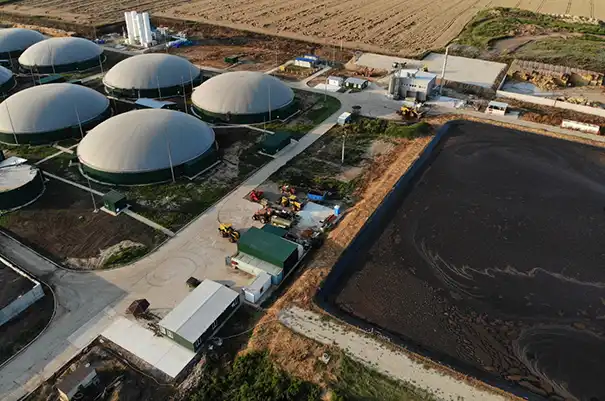
- Raw Material Complexity: Digestate may contain plastics, metals, and other inorganic impurities. These contaminants can affect the stability of the pyrolysis system. Therefore, digestate must undergo a pre-screening process to remove impurities before feeding into the system.
- High Energy Consumption: Digestate’s high moisture content leads to high energy consumption during the drying phase. The biochar equipment design should leverage syngas (a by-product of pyrolysis) or waste heat to offset dehydration costs, achieving energy efficiency balance.
Economic Challenges
- High Project Investment: Investment includes costs for pyrolysis equipment, permit applications, and infrastructure. For small and medium-sized biogas plants, initial investment can be high. To alleviate financial pressure, companies should integrate policy subsidies and carbon trading revenues.
- High Operational Costs: The energy consumption, equipment maintenance, and operational costs of digestate pyrolysis are high. Investors need to implement highly automated continuous pyrolysis systems to reduce manual intervention and management costs.

Market Application Challenges
- Low Consumer Awareness: While traditional biochar has widespread applications, consumer awareness of digestate biochar is still low. This requires the establishment of demonstration projects to build consumer trust in biochar products.
- Regulations and Certification: The varying regulations and standards for biochar across different regions increase market entry barriers. Producers need to rely on certification systems like Puro.earth to enhance market acceptance and competitiveness of their projects and products.
Moving Toward a Circular and Scalable Digestate Solution
At present, digestate has shifted from a simple by-product to a long-term management challenge that requires a systematic solution. Converting digestate into biochar provides a technically viable pathway for volume reduction and resource recovery. This approach helps improve overall resource utilization within biogas projects. For project developers exploring digestate treatment upgrades or biochar application opportunities, please feel free to contact us to discuss technical solutions and project feasibility.