Australia’s tire recycling industry is at a major turning point after an October 2026 parliamentary inquiry proposed a mandatory national responsibility framework. While policymakers want strict rules to punish non-compliance, industry insiders argue that strict rules alone cannot solve the real issue: a serious lack of high-value processing facilities. Without better ways to recycle materials, stricter rules will only choke the market without truly helping the environment.
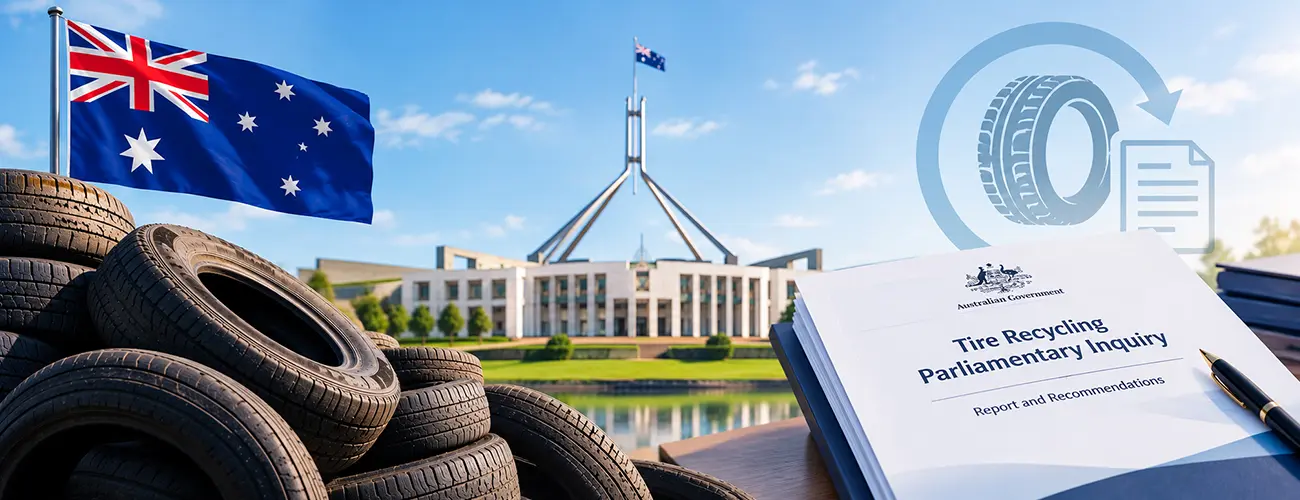
The Policy Catalyst: Key Reforms in Australia’s Mandatory Stewardship Proposal
For over a decade, Australia’s tire recycling relied on Tyre Stewardship Australia (TSA). While reaching nearly 90% recovery for standard passenger and TBR tires, the model struggles with heavy industrial waste—such as OTR mining tires, which see a recovery rate of only 8% to 12%. In response, the parliamentary report, “When the rubber hits the road,” recommended 12 major structural reforms to shift toward a mandatory national framework:
| Rec. # | Recommendation Focus | Concise Official Summary |
|---|---|---|
| 1 | Unified National Regulatory Framework | Establish uniform standards for waste tyre definitions, storage, transport, and landfill. |
| 2 | OTR (Off-The-Road) Tyre Management | Phase out OTR tyre on-site burial within 5 years and support remote recovery infrastructure. |
| 3 | Replacement Tyre Standards Review | Review regulations to enforce higher tyre performance, durability, and retreadability. |
| 4 | Export Compliance Enforcement | Strengthen rules to prevent illegal exports of non-compliant waste tyres. |
| 5 | Independent Audit of Existing Scheme | Conduct and publicly release an independent audit of the current TSA stewardship scheme. |
| 6 | Transition to Mandatory Stewardship< | Transition to a legally mandated national product stewardship scheme across the life cycle. |
| 7 | Competitive Tender for Scheme Operator | Appoint mandatory scheme operators through an open and competitive tender. |
| 8 | Dedicated Funding for Regional Logistics | Provide ongoing funding for remote collection, transport, and modular processing. |
| 9 | Crumb Rubber in Road Infrastructure | Increase the use of recycled rubber and CRM asphalt in national road projects. |
| 10 | Support for the Retreading Industry | Promote tyre retreading as a priority circular economy activity. |
| 11 | Government Green Procurement | Prioritize Australian-made recycled rubber and retreaded products in public fleets. |
| 12 | R&D and Commercialization Support | Accelerate emerging recycling technologies via industry, university, and CSIRO collaboration. |
Official Source: Parliament of Australia — Official List of Recommendations
The Industry Backlash: Why Recyclers Are Pushing Back
The parliamentary recommendations met immediate opposition from key industry groups, notably Sustainable Tyre Recycling Australia (STRA). Industry leaders argue that replacing market-driven innovation with mandatory administrative fees creates severe market distortions:
The Risk for Small Businesses
Heavy government fees and rules can push innovative, medium-sized recycling companies out of business. Instead of encouraging new technology, mandatory schemes tend to reward large, cheap operations that only do the bare minimum.
Ignoring Giant OTR Tyres
A major flaw in the report is failing to ban the on-site burial of giant mining and agricultural tyres. Weighing up to 5 tons each, these heavy tyres are still routinely buried on-site because local recycling facilities are lacking, leaving recovery rates stuck at just 8% to 12%.
The Crumb Rubber Risk
The committee suggested using more crumb rubber in roads and sports fields. However, following strict international rules against microplastics and pollution, expanding crumb rubber usage creates long-term legal and environmental risks for cities and developers.
Source: Sustainable Tyre Recycling Australia (STRA), Research & News
Why Traditional Recycling Methods Are Failing: A Comparative Analysis
As these industry backlashes demonstrate, regulatory mandates and traditional recycling methods are struggling under economic and regulatory pressure. To see why regulatory mandates alone are not enough, we must evaluate the primary end-of-life tire treatment routes and expose their inherent limits.
| Recovery Pathway | Process Type | Primary End-Products | Environmental & Regulatory Risk | Economic Value Creation |
|---|---|---|---|---|
| Landfilling / On-site Burial | Disposal | None (Waste Accumulation) | Severe (Leachate, fire hazards, strict bans) | Zero (Pure liability cost) |
| Civil Engineering & TDF | Incineration / Fill | Low-grade heat, ballast | High (Carbon emissions, air pollution limits) | Low ($20–$50 / ton) |
| Mechanical Shredding / Crumb | Physical Milling | Rubber granules, steel scrap | Moderate-High (Microplastic ban exposure) | Moderate ($150–$300 / ton) |
| Continuous Pyrolysis (Thermal Conversion) | Chemical Recycling | Pyrolysis Oil, rCB, Clean Steel | Very Low (Closed-loop, zero microplastics) | Exceptional ($400–$900+ / ton) |
Beyond Shredding: Turning Waste Tires into High-Value Resources
Traditional mechanical methods—like shredding tires into rubber powder—only change the tire’s shape without unlocking its true value. As environmental rules tighten and traditional markets for rubber powder shrink, processing plants need a fundamental technology shift. Tyre pyrolysis solves this challenge by using high heat without oxygen to completely break down the tire’s complex chemical structure, transforming heavy waste into three high-value industrial products:
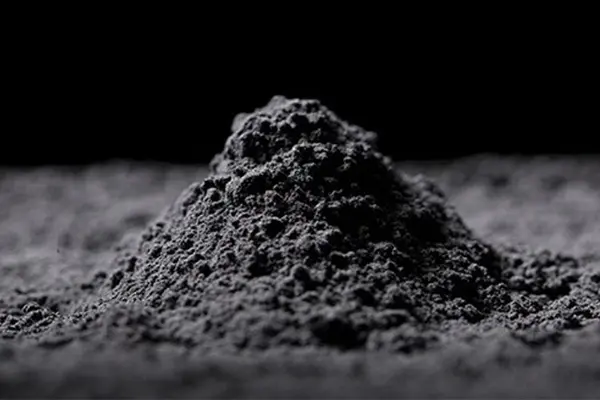
Recovered Carbon Black (rCB)
High-grade rCB can perform like traditional furnace carbon black (such as N330 or N660 series), allowing manufacturers to replace virgin fossil-fuel carbon black in rubber compounding, plastic masterbatches, and industrial coatings—reducing CO₂ emissions by up to 80%.
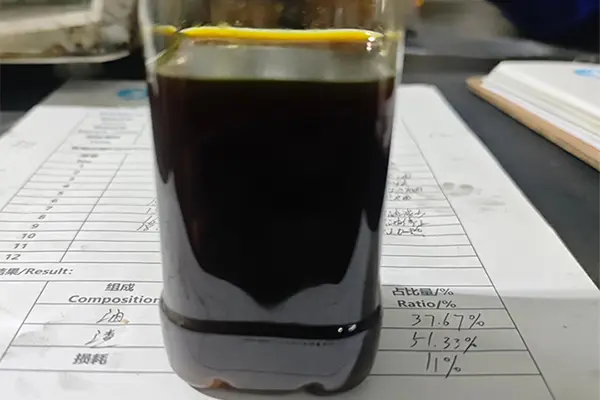
Tyre Pyrolysis Oil (TPO)
A high-calorific heavy fuel oil substitute that can be directly used in industrial burners, marine engines, or further distilled into naphtha and non-standard diesel.
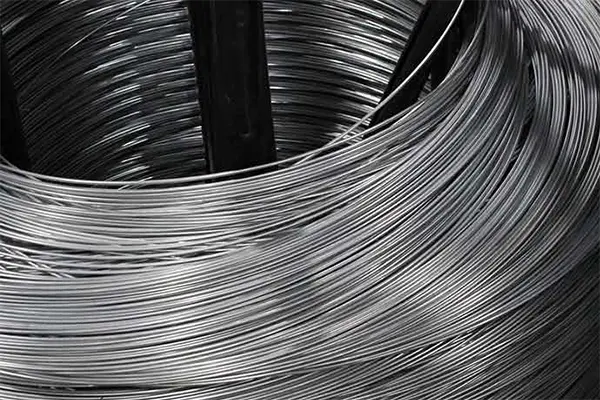
Steel Wire
Recovered scrap steel is completely cleaned of rubber hydrocarbons during the pyrolysis process, fetching premium rates from metallurgical smelters compared to dirty, rubber-contaminated shredded steel.
Future-Proofing Tyre Recycling Investments with Fully Continuous Systems
Whether Australian authorities ultimately implement a mandatory stewardship framework or retain a refined voluntary model, one reality remains clear: market longevity belongs to operators who produce bankable, high-purity commodities. To achieve true commercial success when recycling heavy waste like giant OTR tires, a continuous tyre pyrolysis plant should meet the following core requirements:
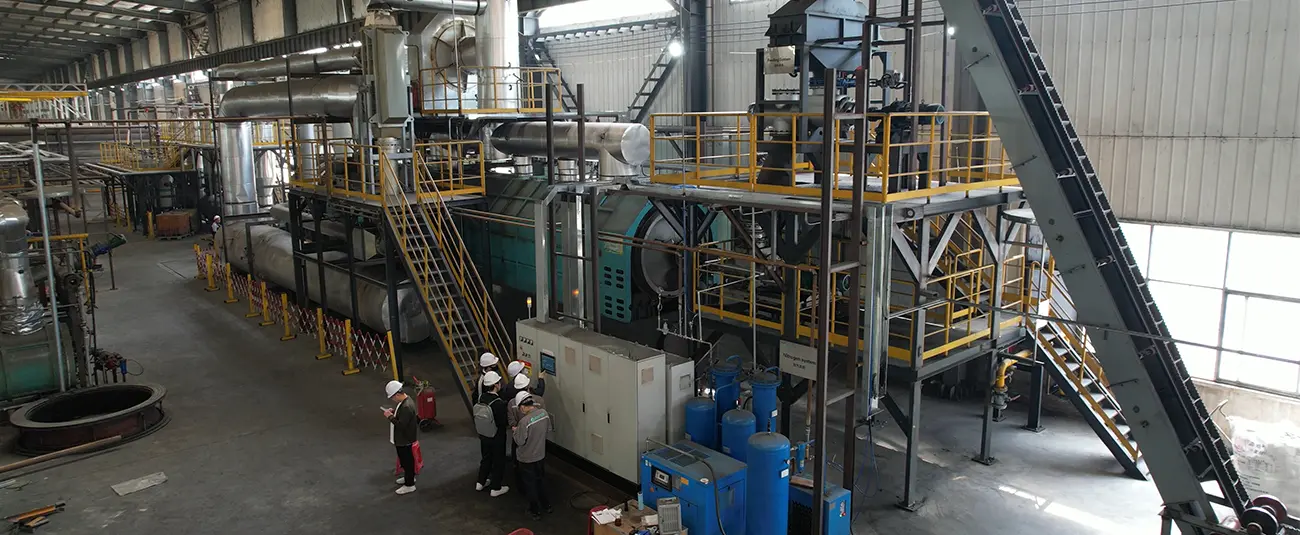
Fully Continuous Operation
High-capacity horizontal reactors capable of 24/7 non-stop operation, maximizing thermal efficiency while minimizing fuel consumption per ton of throughput.
Integrated OTR Pre-Treatment
Heavy-duty hydraulic cutters and wire de-beaders designed specifically to digest massive mining tires prior to thermal processing.
Advanced Flue Gas Cleaning
Multi-stage desulfurization, active carbon adsorption, and de-NOx systems ensuring stack emissions comply with stringent European (EU Directive) and Australian EPA standards.
Deep Carbon Refining
Post-treatment upgrading systems that de-ash, grind, and pelletize raw pyrolysis char into spec-grade, high-surface-area recovered carbon black (rCB) accepted by global tire manufacturers.
Conclusion: Building a Resilient Circular Economy
Australia’s debate proves a clear truth: legislation alone cannot build a circular economy. Mandatory rules only collect waste—advanced pyrolysis is what actually processes it. By turning end-of-life tires into high-value carbon black and circular fuel oil, operators can avoid regulatory risks, eliminate environmental liability, and build a highly profitable business. Looking for a reliable tire pyrolysis solution? Contact Beston Group today for a customized technical proposal.