Planned facility near Birmingham designed to produce about 74,600 tons of biochar per year from wood residue, serving both steel applications and carbon removal
📅 September 2026 📍 Alabama, USA
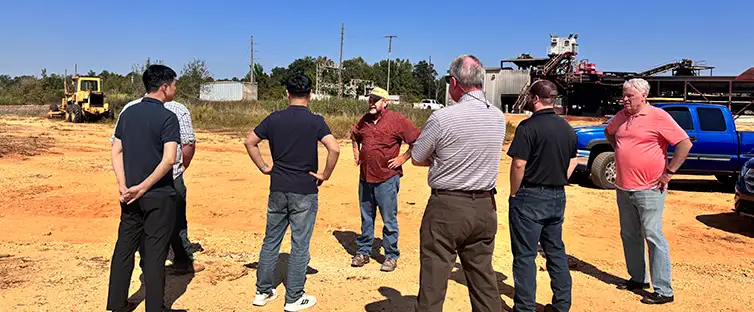
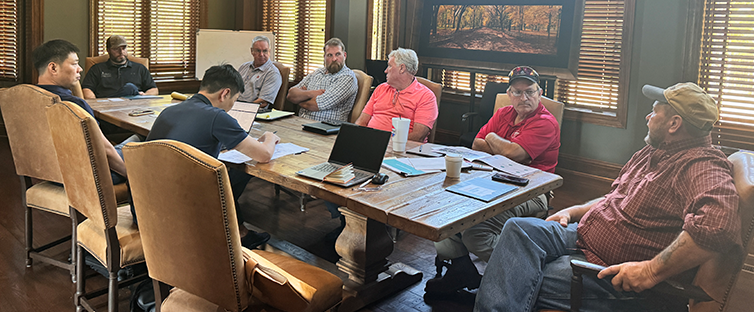
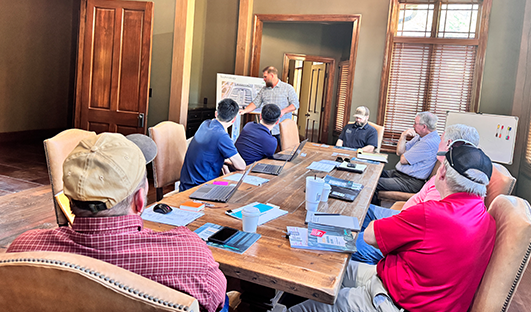
Beston Group recently conducted a site visit in Alabama, USA, to a large-scale biochar carbon dioxide removal (CDR) project now in preparation. Henry He, CEO, and Matt Zhang, Marketing Director, represented Beston Group on the visit, where they met the project team and toured the planned site at a wood processing facility near Birmingham. Below is the video recap and information regarding the site visit.
Project Background
A growing U.S. market for biochar CDR
The U.S. is a fast-growing market for durable carbon removal, and biochar is among its most commercially established pathways. Buyers increasingly seek verified, high-quality removal credits, so the client sees strong long-term demand for biochar CDR.
From the Pacific Northwest to Alabama
The client formed a dedicated company for the project. The project first targeted the northwestern U.S. However, the South offers more abundant biomass and lower feedstock costs. The project therefore moved to a wood processing plant near Birmingham, Alabama.
Site Advantages
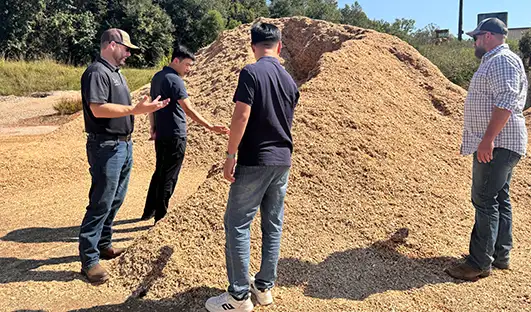
- Stable feedstock supply: The wood processing company operates 19 U.S. facilities. Thus, its Birmingham site has steady wood chips at about 45% moisture.
- No long-distance hauling: The client plans to build the plant next to the feedstock source. So raw material needs no long-distance transport.
- Infrastructure in place: Water, power, and gas already serve the site. So the project has less to build during construction.
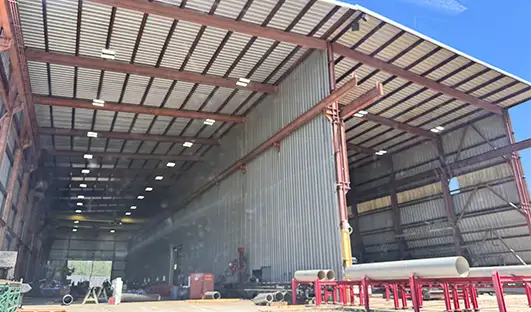
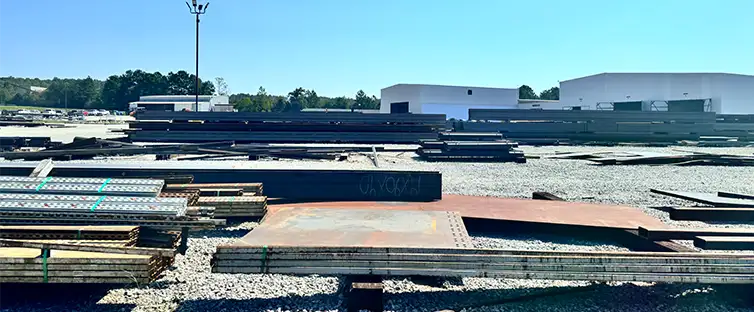
- Local support: A mid-sized steel fabrication shop nearby can support equipment maintenance. It also provides local technical help.
Project Plan
- Unit configuration: The design has 10 biochar machines in full production. Also, 2 standby units cover maintenance, so output stays steady.
- Planned capacity: The plant will process about 840 tons of wood per day. Annual output should reach about 74,600 tons of biochar.
- Planned end use: About 40% goes to lightweight steel applications, including EV steel. The other 60% serves soil amendment and biochar CDR.
- Certification: The project aims to meet Puro.earth Biochar methodology requirements. It will also use equipment supporting Cula dMRV monitoring.
Looking Ahead
Ordinary wood residue is gaining new value, and this Alabama project is moving step by step from planning toward reality. Beston Group will continue to follow its progress and share updates. Likewise, if you are planning a biochar or CDR project, we are ready to visit your site. Together, we can understand your needs and discuss biochar production solutions that fit your project.