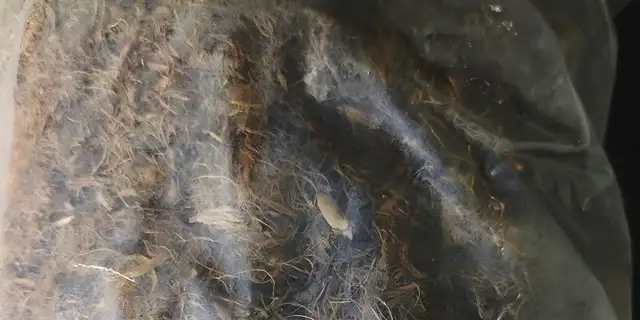
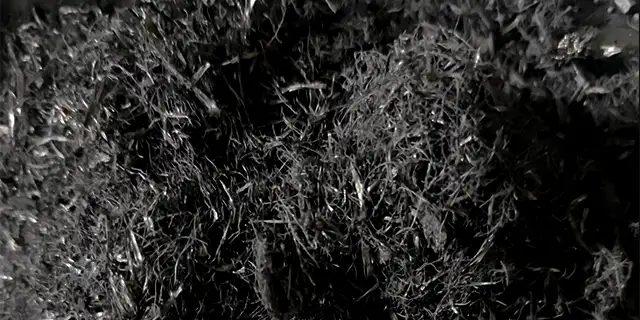
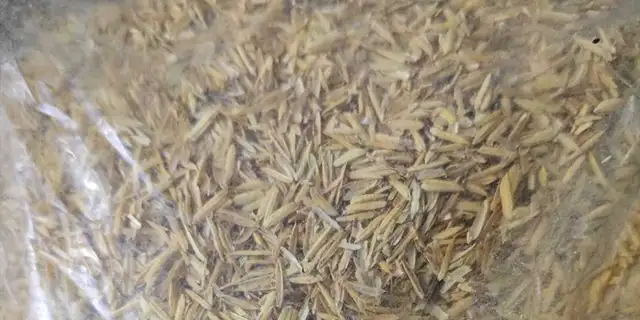
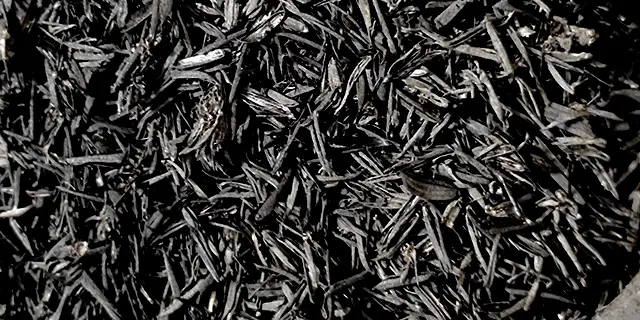
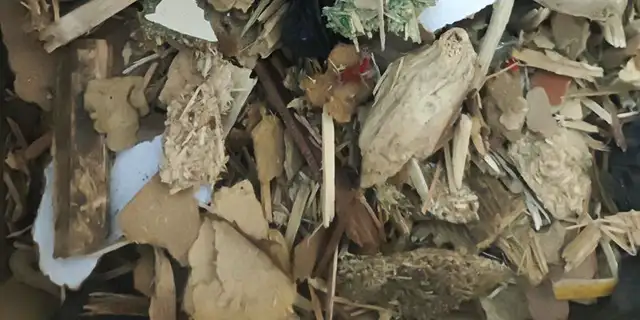
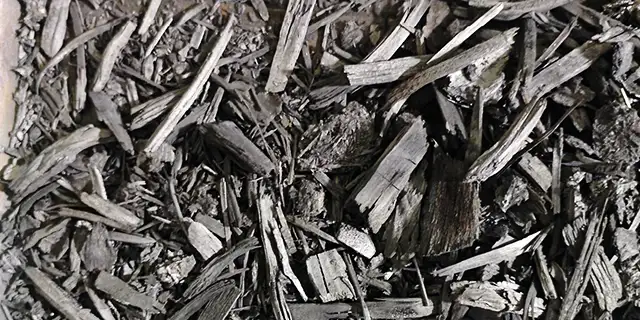
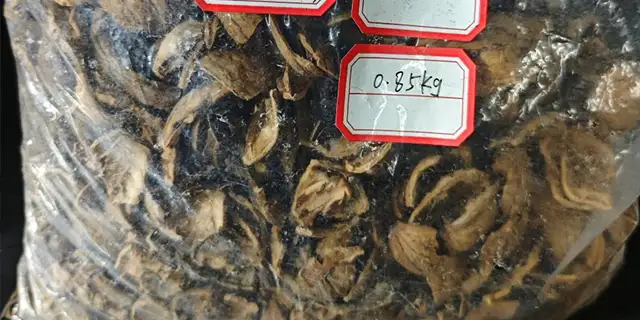
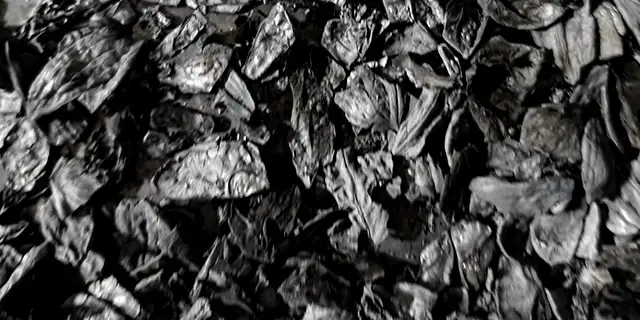
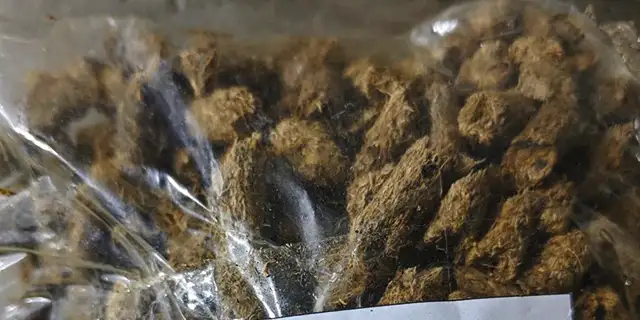
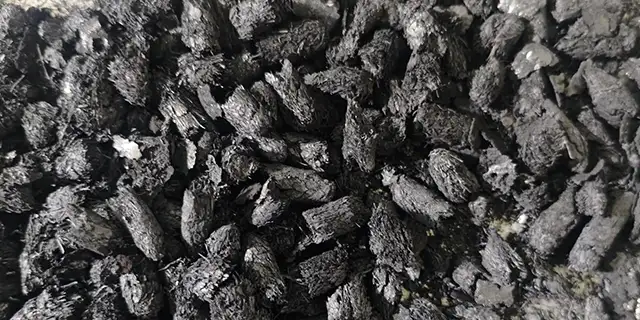
Beston Group’s laboratory regularly conducts pyrolysis tests on different types of biomass feedstock to verify equipment performance and evaluate biochar quality. This page presents real test data from our lab, including process parameters and basic physicochemical properties of the resulting biochar. The data is updated regularly as new tests are completed, giving you a general reference for how different feedstocks behave during pyrolysis. Before reviewing the specific data, please note the following points to help you interpret and use these results more accurately.
General Notes of Test Report Data
Comparability of Results:
Results for the same feedstock type may vary depending on variety, origin, physical form (pellet/powder/chunk), and pre-treatment. The data shown here reflects only the specific sample tested and should not be taken as a fixed value for that feedstock category in general.
Lab Results vs. Industrial Operation:
The data comes from small-scale laboratory equipment under ideal conditions. However, industrial-scale equipment subjects to interfering factors. Thus, this data is for reference only and does not represent a performance guarantee for full-scale equipment.
Note on Wood Vinegar & Tar Yield:
They are measured using a laboratory condensation setup. Industrial-scale operation combusts wood vinegar & tar directly as syngas for process heating. This yield data is intended to illustrate the mass balance of the reaction, not collected in actual production.
Scope of Testing:
The data comes from our laboratory only covers basic indicators. For more in-depth quality or safety parameters, such as H/C molar ratio, PAHs, or heavy metal content, samples should be sent to a qualified third-party laboratory for testing under recognized standards.