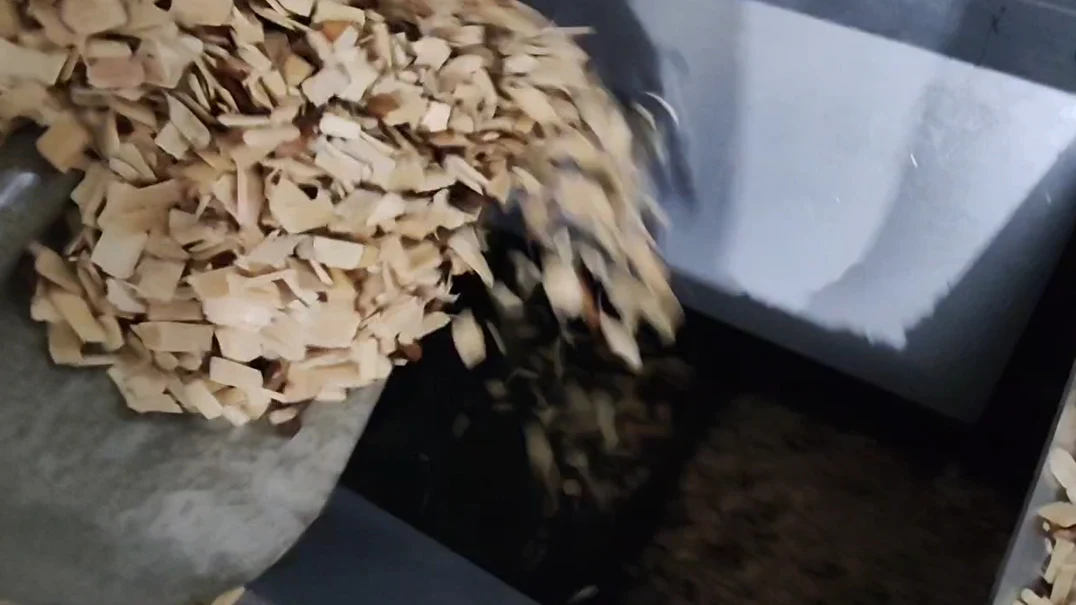
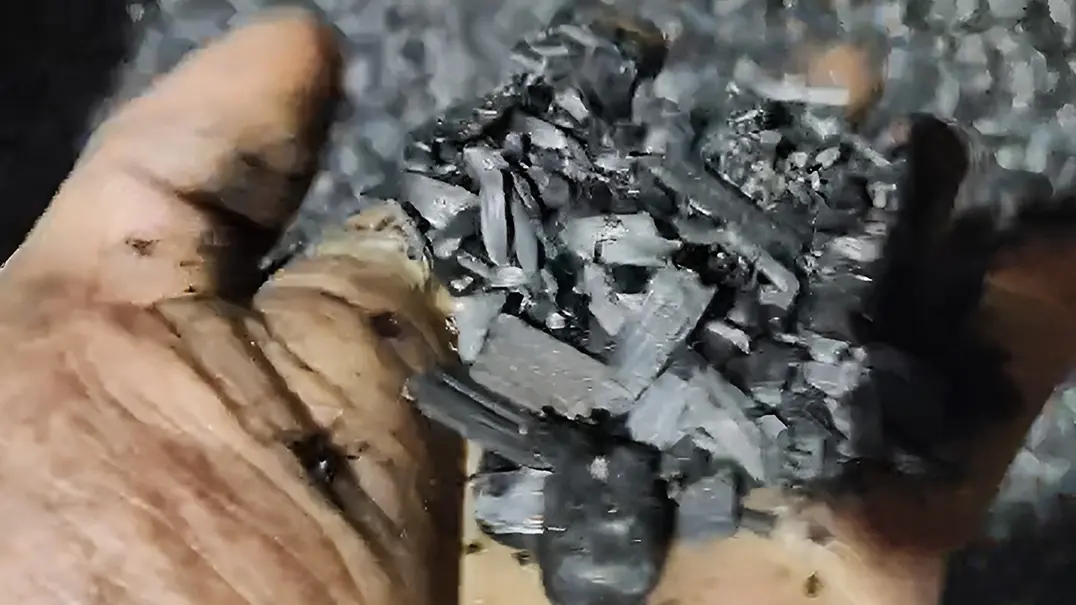
Beston Group is proud to announce the successful installation and commissioning of a set of wood charcoal making machine in Europe. This milestone project represents a significant step in supporting the European timber processing industry’s transition toward high-value, circular economy models. Explore the full details of this industrial transformation below:
1. Project Overview
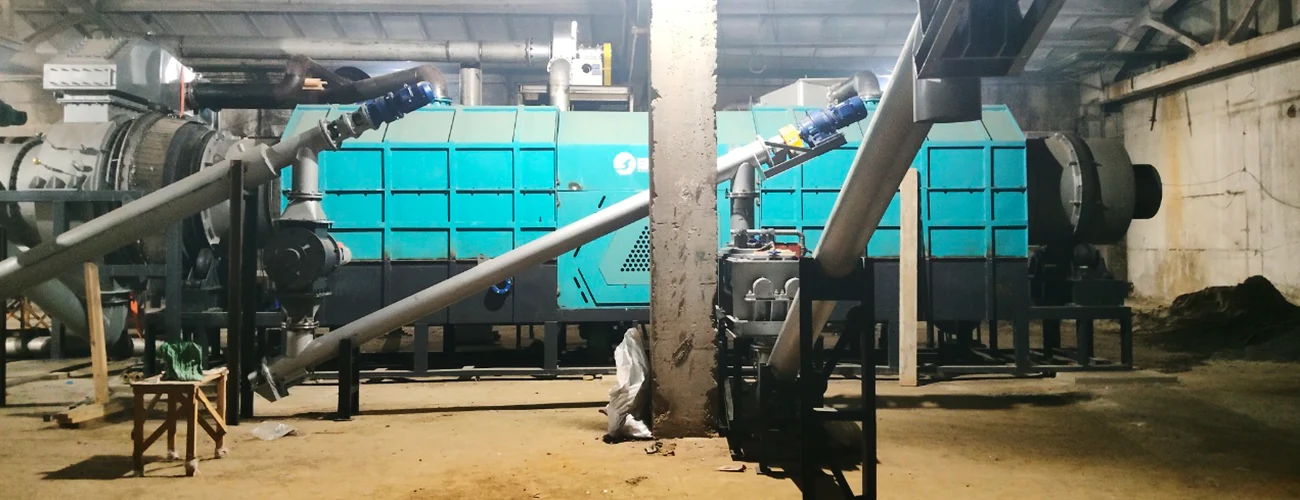
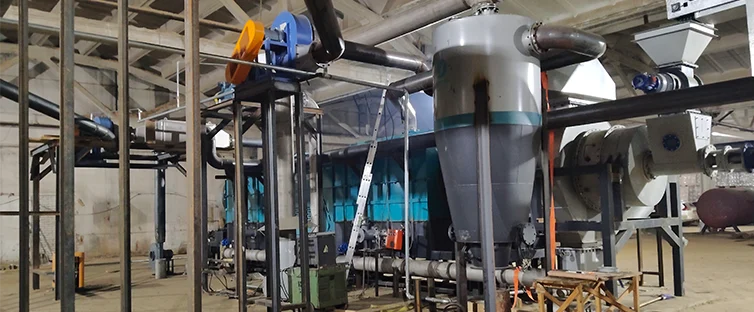
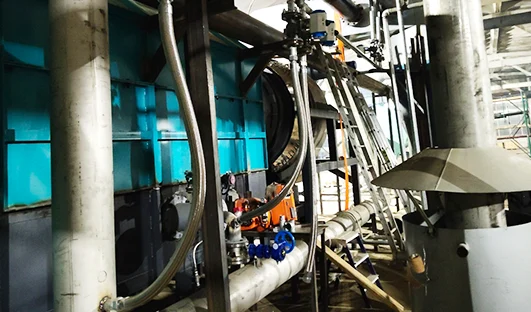
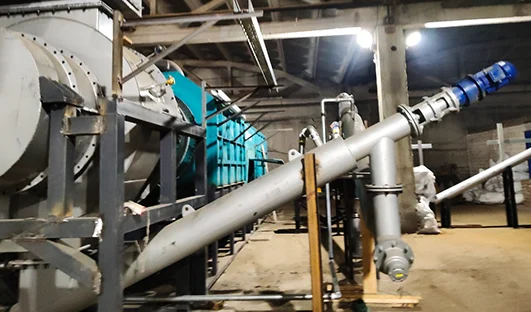
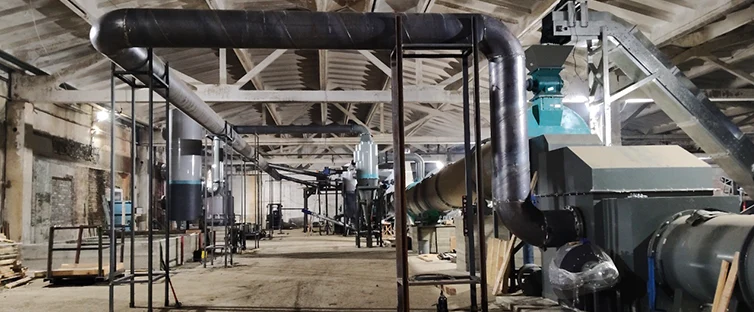
- Equipment Configuration: charcoal making machine +extended drum dryer + rotary screening
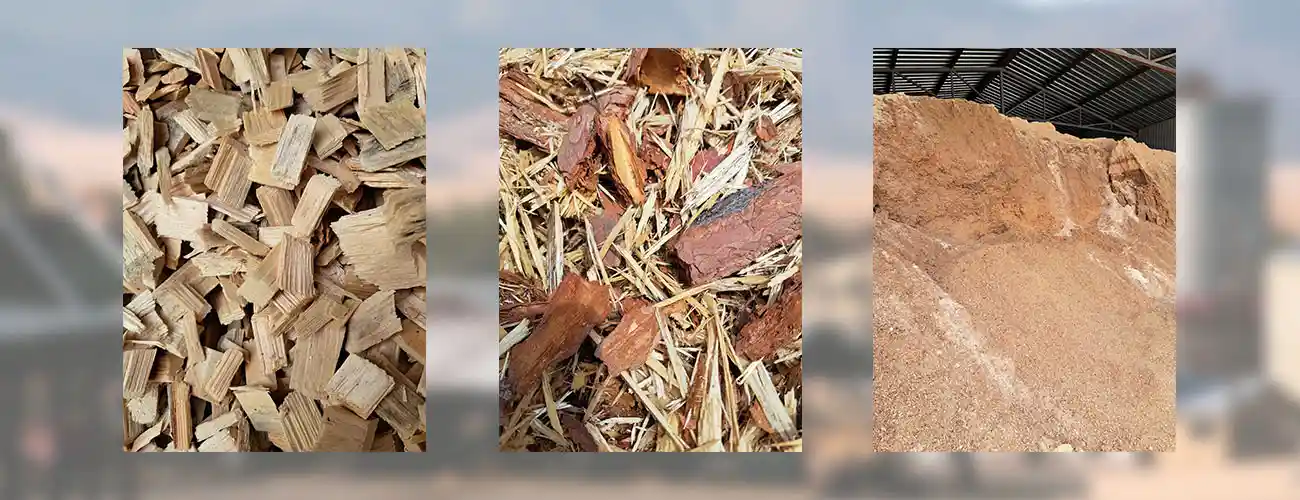
- Raw Materials: wood processing residues (pine chips and sawdust)
- End-Use Application: export-grade BBQ charcoal
- Project Status: installation and commissioning completed; now in full-scale production
2. Challenge: The “Wood Mountain” Dilemma
Background:
In a region of Europe with abundant forestry resources, a large sawmill operated by our client was facing a tough challenge. As the production of timber steadily increased year after year, the by-products, pine wood chips, wood scraps, and sawdust, piled up in the factory.
The Client’s Situation:
Initially, the client’s plan was to sell the wood chips at a low price to a local paper mill. However, this strategy proved both unprofitable and insufficient, as the waste material accumulated much faster than it could be processed. Worse still, the factory was overwhelmed with wood waste, which creates significant fire hazards. These wood chips became a “burden” that was neither useful nor easily disposed of.
Solution: Rigorous Material Screening
The client turned to Beston Group for a sustainable transformation. They hope to convert timber waste into export-grade BBQ charcoal through our wood charcoal machine. However, a key challenge emerged early in the planning stage: the material was extremely uneven. Since it was leftover from timber processing, it contained both large wood chips and fine sawdust particles.
- Technical Adjustment: After multiple discussions and material tests by our technical team, we discovered that sawdust finer than 1-3mm negatively impacted the airflow in the main furnace and compromised the quality of carbonization.
- Solution: We decided to exclude fine sawdust from the pyrolysis process. Additionally, our technical team added a dedicated rotary screening production line to ensure the material entering charcoal furnace was uniform in size. This adjustment guaranteed that the finished charcoal met export-grade standards for both hardness and calorific value.
3. Delivery: Professional Support Across Thousands of Kilometers
After the client received the equipment on schedule, our installation engineers traveled to Europe between September and November 2025. During their stay, the engineers successfully transformed what began as a “pile of parts” into a “modernized factory”:
- High Engineering Standards: From the inlet head to the combustible gas piping, every single weld undergoes rigorous pressure testing. Beyond mechanical assembly, our installation engineers performed secondary optimizations on-site to navigate complex piping layouts.
- Context-Specific Adjustments: Taking local climate conditions into account, the installation team meticulously applied insulation to all critical pipelines. This ensures the equipment maintains peak operational stability even in extreme cold.
- Comprehensive Operational Training: Upon completing complex electrical commissioning, our engineers provided comprehensive technical training to local operators, successfully distilling intricate equipment structures into standardized operating manuals.
4. Results: The Sawmill’s Remarkable Transformation
In late November 2025, the equipment was successfully commissioned. As the first batch of hard, dark metallic-glossed pine charcoal was produced, the project was successfully completed:
| Dimension | Before Transformation | After Transformation (Pyrolysis Solution) |
|---|---|---|
| Product Value | Cheap industrial raw materials | High-premium export-grade BBQ charcoal |
| Processing Capacity | Slow, limited by downstream paper mill demand | Fast, on-site immediate consumption |
| Land Occupation | Large, open-air storage, high fire risk | Significantly reduced, fully enclosed production |
| Environmental Benefits | Open-air piling, high fire hazards | Fully enclosed production, emissions meet standards |
After the equipment was up and running, the European client commented: “What we needed was not just a machine, but a solution that could address real-world problems. The professionalism and meticulous planning of Beston Group’s engineering team showed us the true commercial value behind the waste wood”