Biochar production equipment varies widely in design, scale, and operational objectives. Different technologies are suited to different biomass resources, production capacities, and environmental requirements. In practice, biochar systems can generally be divided into three categories: industrial continuous plants, air curtain burners, and artisanal kilns and furnaces. Each represents a different stage of technological development and project scale. Understanding their core characteristics helps project developers select equipment that matches feedstock availability, operational goals, and long-term investment planning.
1. Industrial Continuous Plant
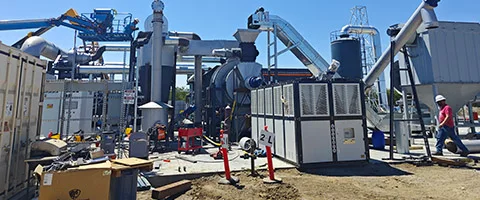
This is the highest level of biochar production, belonging to fixed, heavy industrial infrastructure. Its core logic is to achieve an ultimate closed loop of “material flow, energy flow, and data flow.” Materials are continuously fed, pyrolyzed, and discharged within a fully enclosed system. Such a biochar machine uses an industrial-grade heat recovery system to completely reuse the syngas produced by pyrolysis for system heating, achieving an extremely high energy self-sufficiency rate.
1.1 Common Types
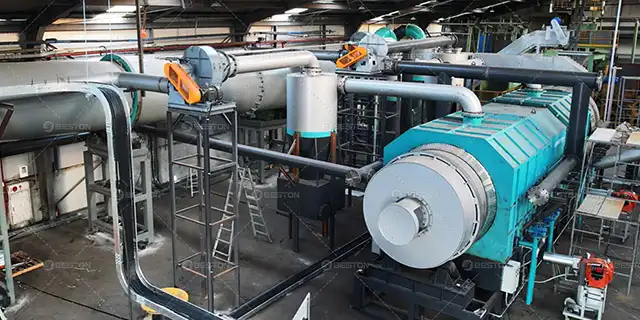
Fixed Industrial Facility
Deployed as permanent infrastructure, it aims to achieve maximum throughput and overall energy efficiency. It typically includes large-scale material storage, waste heat recovery systems, and comprehensive exhaust gas treatment facilities.
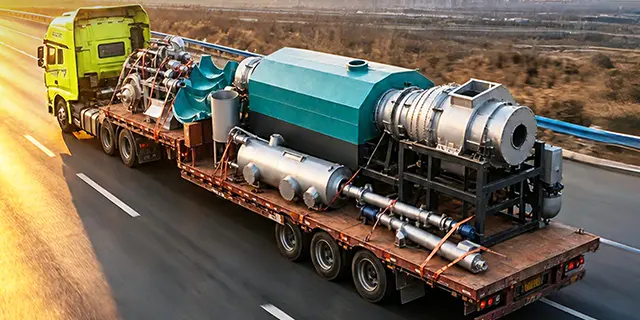
Mobile Unit
In essence, it integrates a continuous pyrolysis process. The mobile biochar machine features a lightweight, modular design that maintains industrial-grade process standards while offering the flexibility of rapid assembly/disassembly and distributed deployment.
1.2 Suitable Scenarios
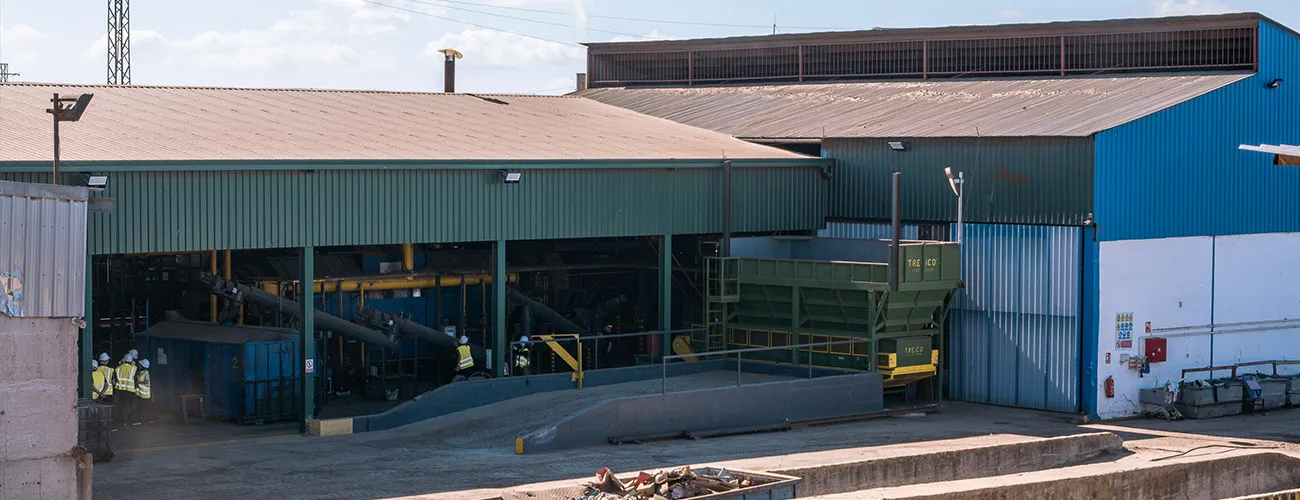
Large-scale Commercial Carbon Removal Bases
Due to the project’s durable carbon sequestration effect, it produces high-standard carbon removal credits. These credits are used for trading in the international carbon removal market.
Biomass Energy Co-generation Projects
While producing high-quality biochar, it also generates a considerable amount of combustible gas. It can be connected to the regional power or energy system to provide a stable supply.
1.3 Advantages

High ROI Returns
With the highest level of automation, labor costs per unit output are greatly reduced. Thanks to the energy closed-loop design, the system almost requires no additional fuel during normal operation, minimizing operational costs.

Carbon Credit Premium
Fully complies with the requirements for “industrial paths” set by global mainstream carbon standards. The carbon credit certificates generated have high credibility and possess the strongest premium ability and liquidity in the secondary market.

Stable Product Quality
The high-precision PLC monitoring system adjusts internal temperature and pressure in real time, ensuring that the biochar produced consistently meets high industrial standards for fixed carbon content, hydrogen-carbon ratio (H/C), and pore structure.
1.4 Limitations
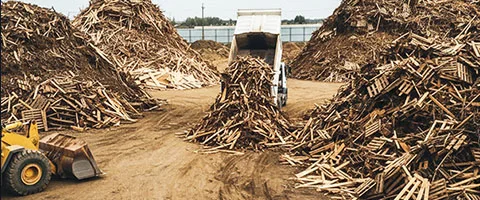
Site Selection Dependence
As a fixed asset, the equipment cannot be moved once production begins. It requires a stable supply of biomass raw materials from the surrounding area. Otherwise, it will increase transportation costs.
Long Construction and Approval Cycle
It involves civil engineering planning, environmental impact assessment (EIA), and a complex dMRV system integration process. The initial time and financial investment required are relatively high.

Large System Startup Inertia
Large continuous systems are more inclined to operate stably for long periods and are not suitable for frequent start-stop operations. They have strict requirements for the continuity of production plans.
2. Air Curtain Burner
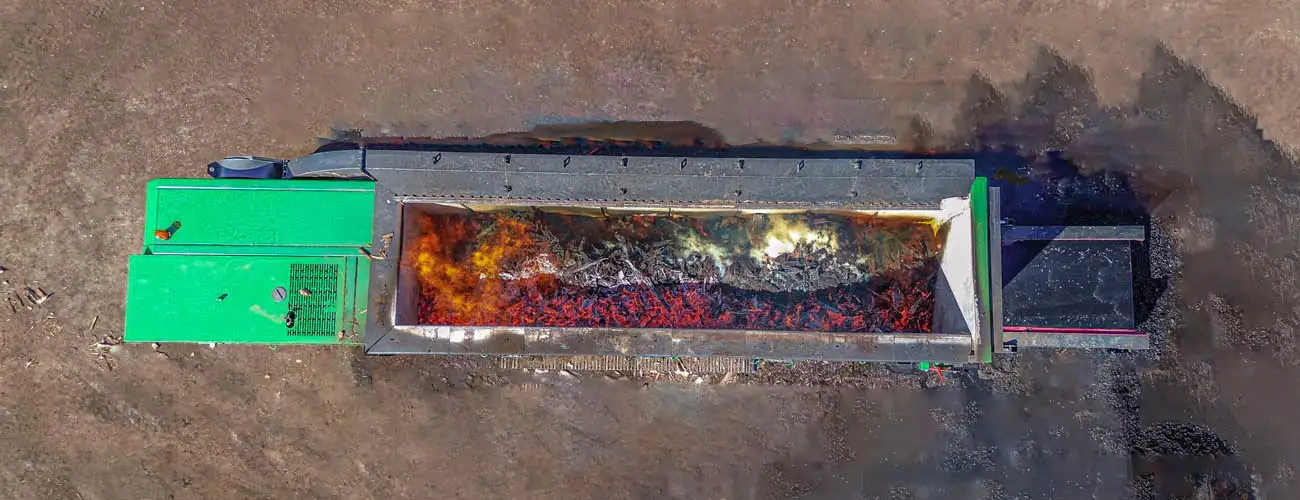
Unlike biochar pyrolysis machine, this equipment is an “engineered combustion device” used for large-scale biomass reduction. Its core process involves burning biomass in an open hopper. A high-speed, high-pressure air curtain above not only prevents smoke and dust from escaping but also creates a localized oxygen-deficient zone at the bottom of the hopper. The biomass undergoes a violent reaction at high temperatures, and operators can immediately inject water into the hopper to stop the combustion. The incompletely oxidized organic matter at the bottom forms biochar.
2.1 Common Types
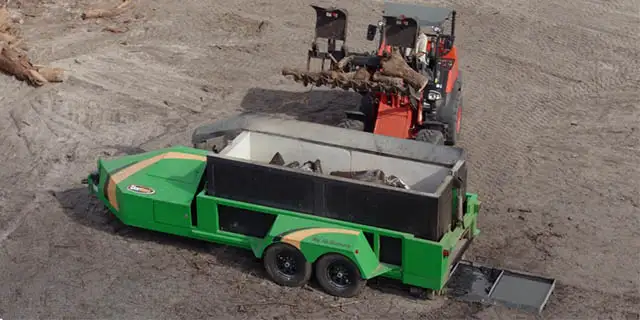
Wheel-mounted Unit
Designed for road transport, it can be quickly deployed at urban green waste processing sites or temporary operation points by being towed by a truck.
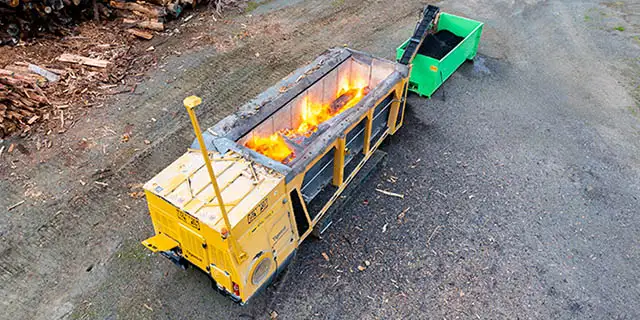
Track-mounted Unit
Equipped with a powerful off-road chassis, this machine can enter unpaved forest areas and carry out on-site operations.
2.2 Suitable Scenarios
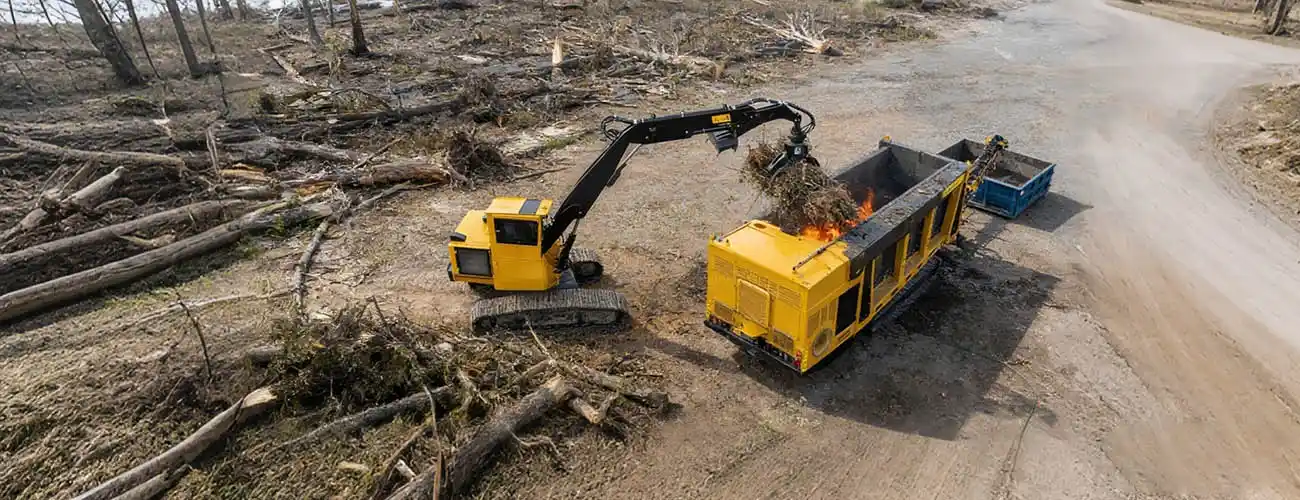
Forest Clearing and Fire Prevention
Used in the construction of firebreaks, processing combustible dead branches and leaves on-site to reduce fire hazards.
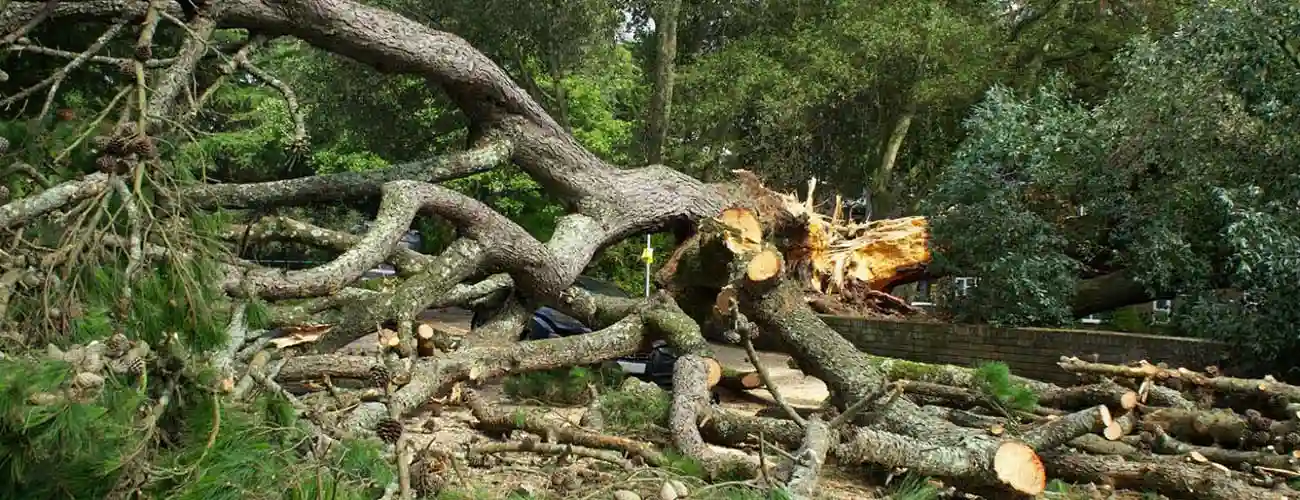
Emergency Post-disaster Processing
After natural disasters such as hurricanes or hailstorms, it quickly clears fallen trees and branches to restore traffic and power supply.
2.3 Advantages
Rapid Reduction Efficiency
Through an efficient controlled combustion process, it can convert large amounts of loose waste into stable residual materials in a very short time, significantly improving on-site clearing efficiency.
High Operational Mobility
Breaking free from dependence on logistics systems, it allows the equipment to “actively search for materials.” The equipment can operate deep into the work site, solving the challenges of biomass transportation and high logistics costs at the source.
High Flexibility in Production Scheduling
Both system startup and shutdown can be completed in a short time. This immediacy allows the equipment to respond flexibly to biomass accumulation, achieving on-demand operations and quick response times.
2.4 Limitations
High Environmental Impact
Due to the lack of industrial-grade tail gas secondary combustion and purification systems, the production process releases methane, nitrous oxide, and smoke, which puts direct pressure on the atmospheric environment.
Limited Certification Paths
These devices cannot meet certifications from carbon removal platforms like Puro.earth or Isometric. They usually have to choose the less restrictive CSI Artisanal certification path.
Carbon Credit Reduction
During certification audits, auditors cannot access continuous automated data. This leads to a high uncertainty deduction factor in carbon accounting, resulting in a loss of carbon credits.
3. Artisanal Kiln & Furnace
This type represents the most basic form of biochar production. It is typically made from local materials or simple metal structures. The process relies on physical stacking to form a “fire layer protection,” which suppresses oxygen entry and enables basic biomass thermochemical conversion. Despite its simple design, modern improved models have started incorporating modular designs and electric auxiliary components, aiming to strike a balance between low cost and temperature control accuracy.
3.1 Common Types
Traditional Kiln
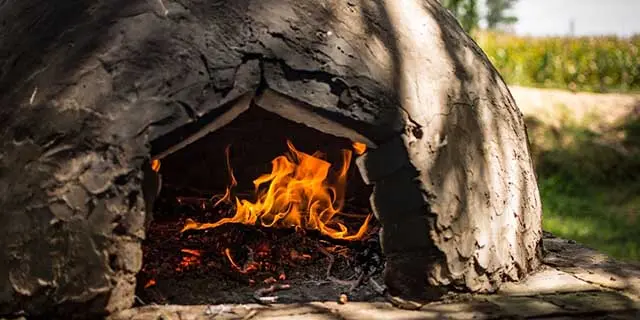
Earthen kilns are typically constructed by excavating trenches in the ground and building the kiln body with clay. Production relies on the spontaneous combustion of materials to supply the energy required for pyrolysis.
Metal Kiln
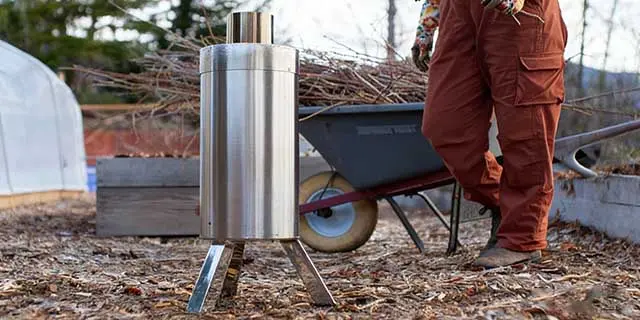
It includes carbonization units converted from conical steel kilns or double-layer sleeve furnaces. There is currently a trend towards electrification, using external components to achieve semi-continuous operation.
3.2 Suitable Scenarios
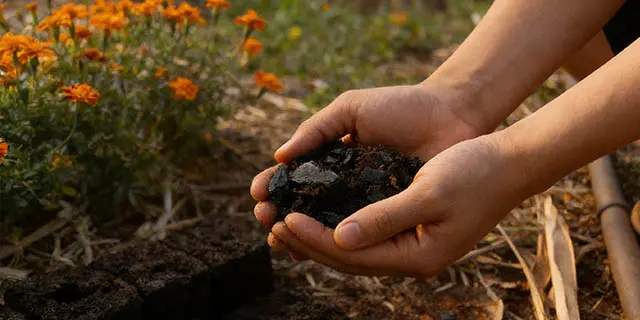
Multi-Scenario Home Use
Widely applicable to suburban residences with independent yards, private gardens, and community shared green spaces. Users can utilize pruned branches and fallen leaves for in-situ conversion, providing a high-quality organic amendment for home gardening.
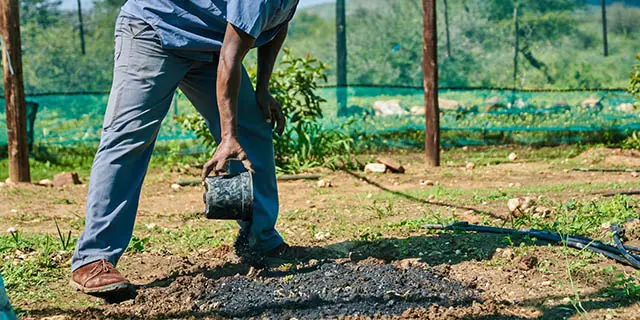
Farmer Operation
Targeting individual growers or small family farms with limited scale and scattered material production points. This type of equipment helps farmers convert field waste into biochar with the potential to improve soil fertility with very low barriers to entry.
3.3 Advantages
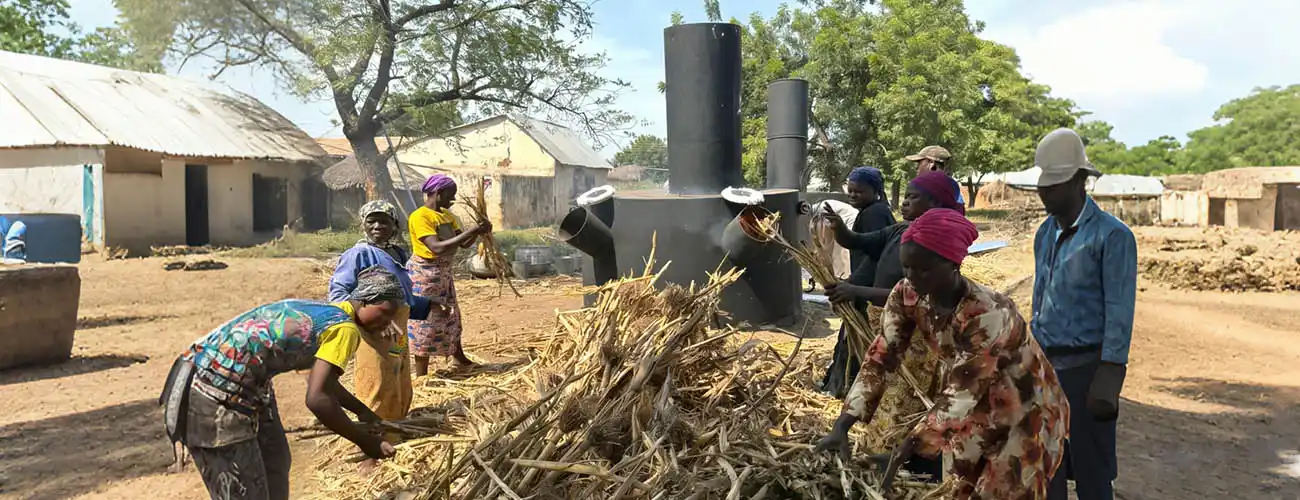
Social Inclusivity
This equipment does not rely on complex supply chains, allowing small farmers to participate equally in biochar production. This inclusivity provides grassroots communities with a tool for independent income generation.
Material Tolerance
This process can typically handle uneven forestry residues or large chunks of wood. It eliminates the need for expensive crushing and drying pre-treatment steps.
High Potential for Modification
Metal kilns can be upgraded at low cost with CNC fans, temperature sensors, and other components. This makes it easier to integrate with dMRV systems.
3.4 Limitations
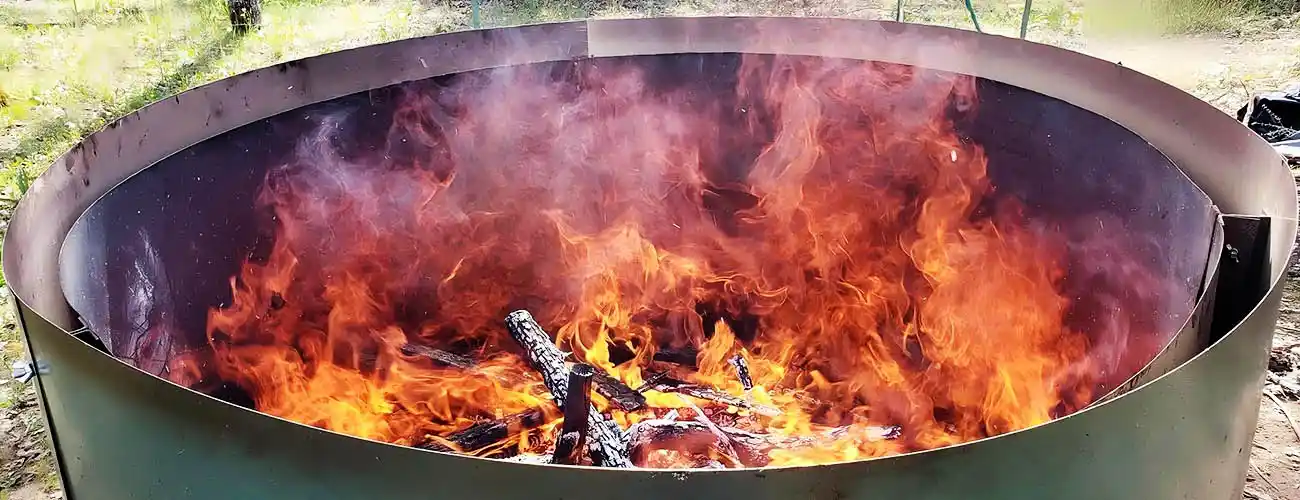
High Environmental Impact
Due to the lack of industrial-grade tail gas secondary combustion and purification systems, the production process releases methane, nitrous oxide, and smoke, which puts direct pressure on the atmospheric environment.
Limited Certification Paths
These devices cannot meet certifications from carbon removal platforms like Puro.earth or Isometric. They usually have to choose the less restrictive CSI Artisanal certification path.
Carbon Credit Reduction
During certification audits, auditors cannot access continuous automated data. This leads to a high uncertainty deduction factor in carbon accounting, resulting in a loss of carbon credits.
Choose the Right Biochar Production Solution
Each type of biochar production equipment serves a different operational context. Equipment selection should consider biomass supply stability, project scale, environmental compliance requirements, and operational strategy. A well-matched system improves overall efficiency and supports the long-term sustainability of biochar production projects. For industrial-scale biochar projects, Beston Group offers integrated biochar production solutions, which support efficient carbon removal project operations. If you have plans to produce biochar, please feel free to contact us.