In 2026, a wave of global environmental laws in March and April transformed oil sludge disposal into a high-value sector. New mandates in China, the US, and the EU have replaced fragmented policies with strict recovery requirements. This regulatory shift has turned waste management into a strategic opportunity for resource extraction and sustainable industrial investment.
China: Ecological and Environmental Code
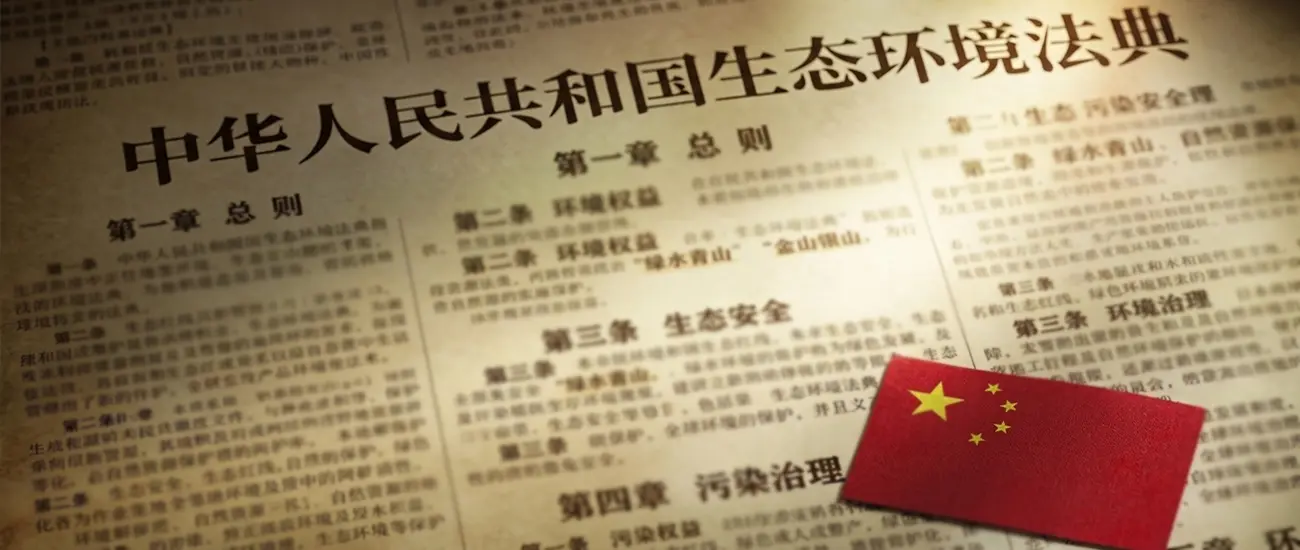
Policy Interpretation
In March 2026, China officially implemented the Ecological and Environmental Code. A key provision in the solid waste section mandates a closed-loop tracking system for all hazardous waste. This means every ton of oil sludge must be digitally tracked from the moment it is produced at the oil field to its final treatment. There is no longer any grey zone for illegal dumping or untreated storage.
The Impact: The Transition to Centralized, Professional Recovery
This regulation effectively ends the era of informal sludge storage. With every ton now digitally tracked, oil companies are shifting toward centralized, high-standard treatment facilities. Fixed industrial-grade thermal desorption unit provides the precise control and real-time data integration needed to guarantee harmless disposal. By moving to professional ex-situ treatment, companies can avoid the Code’s heavy fines while turning large-scale waste into a reliable stream of recovered resources.
USA: Release-Based Cleanup Regulation Development
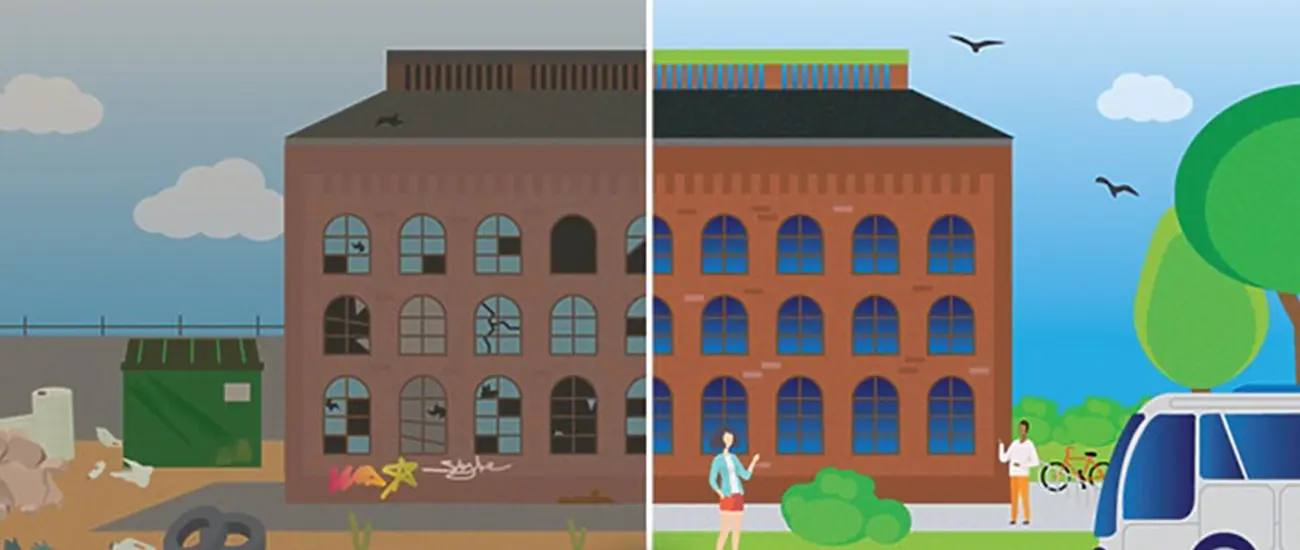
Policy Interpretation
Effective March 1, 2026, major industrial states in the U.S. (starting with Connecticut) transitioned to a Release-Based Cleanup model. The specific rule requires that any discovery of oil-related contamination must be reported and a cleanup plan started within 120 days. Previously, companies could wait years, until the land was sold, to address the sludge.
The Impact: The Demand for Professional Treatment
The “120-day clock” forces oil companies to seek fast, high-capacity solutions. Since onsite cleanup is often limited by space, this shift drives waste to professional treatment centers using fixed TDU equipment. These fixed plants offer the massive throughput and stable emission controls needed to clear large volumes of sludge quickly and meet strict legal deadlines.
European Union: The Soil Monitoring Law (SML) Transition
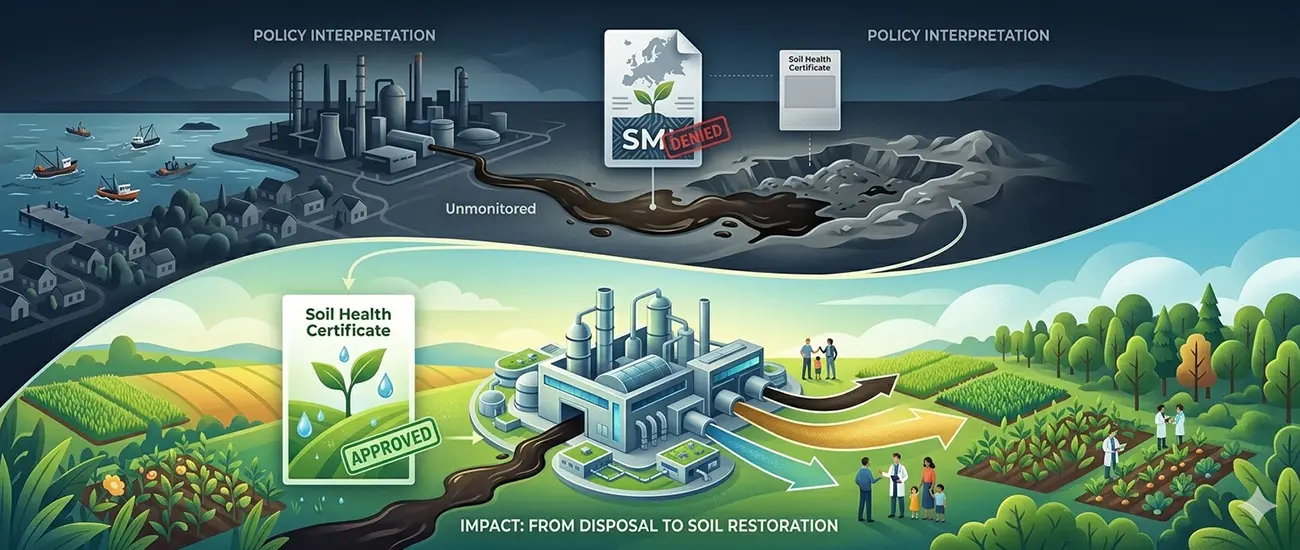
Policy Interpretation
In April 2026, the EU finalized the national rules for the Soil Monitoring Law. A specific requirement is the “Soil Health Certificate,” which is now mandatory for any industrial site operating near water sources or residential areas. To get this certificate, land owners must prove that their oil sludge has been treated to a level where the remaining soil can support plant life.
The Impact: From “Disposal” to “Soil Restoration”
This rule changes the goal of oil sludge treatment. It is no longer enough to just get rid of the oil. The remaining solid waste (ash/soil) must be clean enough to pass a biological health test. This creates a market for advanced thermal desorption technology, which removes hydrocarbons so thoroughly that the soil can be safely returned to the environment, helping companies keep their “Soil Health Certificate.”
The 2026 Great Reset: How New Laws are Redefining Oil Sludge Treatment
01
From a Secondary Issue to Total Soil Responsibility
In the past, treating oil sludge was often seen as a secondary task—something companies only did to avoid production delays or local complaints. However, by early 2026, the global focus shifted toward Total Soil Responsibility. Driven by international climate goals, governments now treat soil health as a top priority rather than just a waste problem.
02
From Simple Disposal to Resource Recovery
The new laws introduced in March and April 2026 move away from simple waste management. The new rules focus on ex-situ treatment and tracking every chemical, making it mandatory to fully clean and fix contaminated land. Treating sludge is no longer about just getting rid of waste; it is about recovering valuable resources while keeping the environment safe.
03
From a Business Cost to Required Standard
In this new environment, following environmental laws is no longer just an extra expense that cuts into profits. Instead, it has become a required standard for doing business. For companies in the hazardous waste industry, using high-quality technology is now the only way to stay in the global market and keep working with major oil and gas partners.
Beston Group’s TDU Solves the 2026 Legal Challenges
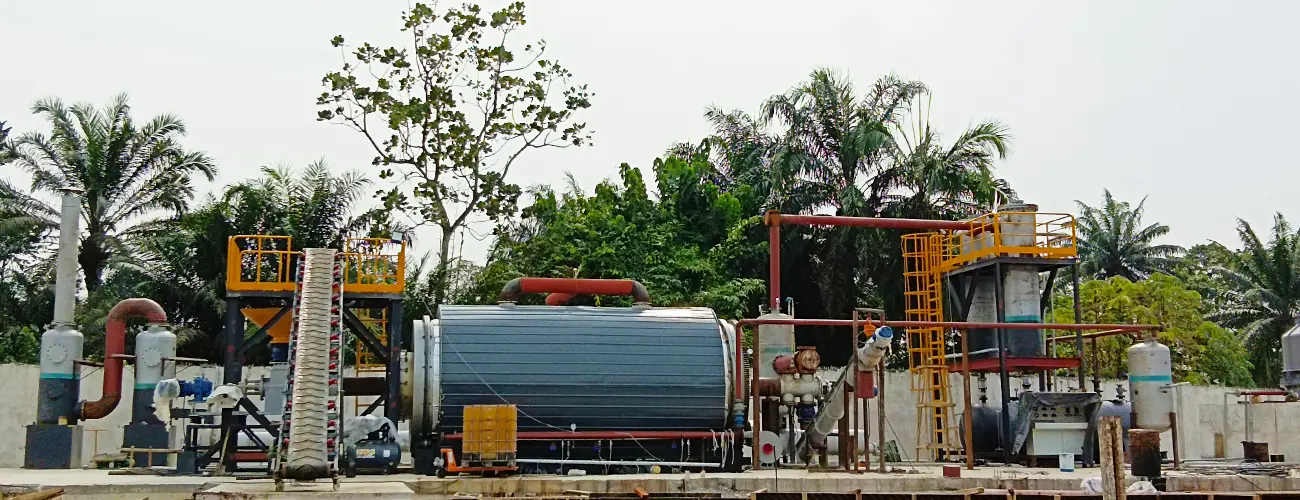
Under these new rules, choosing the right equipment is no longer just about performance; it is about staying within the law and avoiding heavy fines. Our oil sludge pyrolysis technology is specifically engineered to address the core requirements of the 2026 global mandates:
Meeting the EU Soil Health Goal through Safe Science
To meet the EU Soil Monitoring Law, our TDU operates in a sealed, oxygen-free environment. This prevents the formation of secondary pollutants (like dioxins), ensuring treated solids are clean enough to receive a Soil Health Certificate for safe environmental return.
Solving the US “120-Day” Pressure with High-Capacity Efficiency
To handle the U.S. Release-Based Cleanup deadlines, our oil sludge pyrolysis plant is built for high-capacity operation. This high throughput allows professional centers to clear large volumes of sludge quickly, helping oil companies avoid the heavy daily fines of the 120-day rule.
Satisfying China’s “Eco-Code” with Digital Transparency
Our systems use smart digital monitoring to satisfy China’s 2026 Ecological Code. Every step—from temperature to emissions—is tracked via sensors, providing a transparent digital paper trail that proves compliance to inspectors and eliminates grey zone risks.
Enhancing ESG Value through Energy Recovery
Beyond compliance, our technology reuses process gases as fuel for the reactor. This self-heating cycle significantly lowers fuel costs and reduces the carbon footprint, helping companies meet strict international ESG reporting standards.
Conclusion
The events of March and April 2026 mark the end of the era of hiding oil sludge. The convergence of China’s strict codification, the USA’s 120-day cleanup urgency, and Europe’s soil health monitoring has created a permanent shift in the industrial landscape. For forward-thinking enterprises, this is the optimal time to adopt advanced ex-situ thermal desorption technology. By transitioning to professional recovery, companies do more than just avoid heavy fines—they secure their market leadership and turn hazardous waste into a valuable economic asset.