In 2026, market prices for virgin carbon black are expected to remain elevated due to factors such as geopolitical tensions, imbalances in raw material supply and demand, and increasingly stringent environmental regulations. Pyrolytic Carbon Black (PCB) has consequently emerged as a strategic choice for rubber and plastics manufacturers seeking to optimize costs and enhance their environmental value proposition. Based on the latest industry research, this guide analyzes the potential for Pyrolytic Carbon Black to serve as a substitute across various application scenarios.
Core Performance Analysis: Pyrolytic Carbon Black vs. Virgin Carbon Black
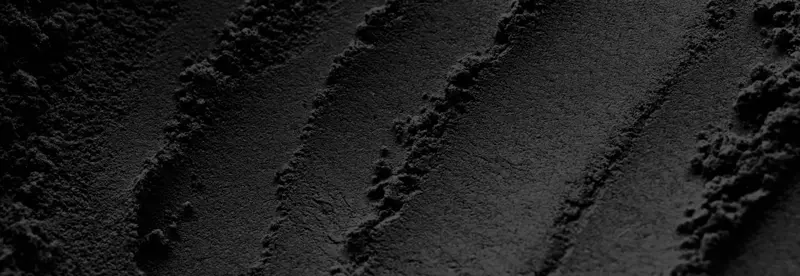
Virgin Carbon Black
- Feedstock: Primarily derived from finite fossil fuels, such as heavy oil and coal tar.
- Production Process: Manufactured through the incomplete combustion of hydrocarbons , a high-emission method.
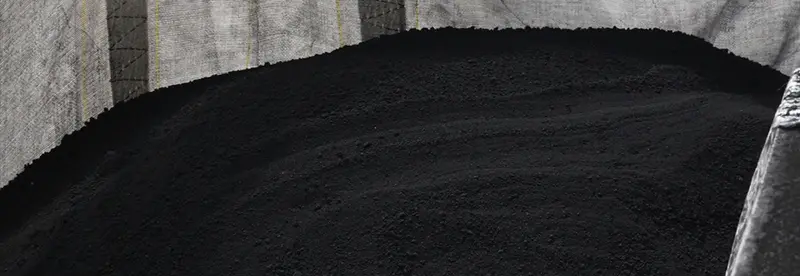
Pyrolytic Carbon Black
- Feedstock: Utilizes End-of-Life Tires (ELTs) as its carbon source, promoting resource circularity and waste reduction.
- Production Process: Generated via oxygen-free thermal decomposition (pyrolysis), offering a significantly lower carbon footprint.
| Performance Indicators | Pyrolytic Carbon Black (Primary) | Pyrolytic Carbon Black (Refined) | Virgin Carbon Black (N330) | Virgin Carbon Black (N660) | Industry Standard (HG/T 4789-2014 Grade I) |
|---|---|---|---|---|---|
| Particle Size (nm) | 50-200 (Wide distribution) | 20-50 (Narrow distribution) | 30-40 | 40-50 | ≤80 |
| Specific Surface Area (BET, m²/g) | 60-120 | 100-150 | 110-130 | 70-90 | ≥80 |
| Ash Content (wt%) | 15-22 | 3-5 | ≤0.5 | ≤0.5 | ≤8 |
| Sulfur Content (wt%) | 0.5-3.0 | ≤0.3 | ≤0.3 | ≤0.3 | ≤1.0 |
| Volatile Matter (wt%) | 2-7 | 1-3 | ≤1.0 | ≤1.0 | ≤3.0 |
| DBP Absorption (cm³/100g) | 80-120 | 120-150 | 125-145 | 90-110 | ≥100 |
| Tensile Strength (Rubber Formula) | 6-10 MPa | 12-16 MPa | 18-22 MPa | 14-18 MPa | ≥12 MPa |
| Abrasion Resistance (Akron, cm³/1.61km) | 0.8-1.2 | 0.5-0.7 | 0.3-0.4 | 0.4-0.5 | ≤0.8 |
Based on tabular comparisons and current industrial-scale data, the advantages and limitations of pyrolysis carbon black are as follows:
Core Advantages
- Significant Cost Reduction: The production cost of primary PCB is only 320-470 USD/ton. Compared to virgin carbon black, its production cost is only 40%–55% of N330.
- Superior Environmental Value: Every ton of PCB consumes 3.0–3.5 tons of waste tires, reducing CO2 emissions by approximately 2.8 tons. The solid waste resource utilization rate exceeds 95%.
- Excellent Processing Adaptability: The thermal decomposition temperature of PCB (400–500°C) far exceeds the temperatures used in rubber vulcanization and plastic processing, ensuring no risk of decomposition or gas evolution during production.
Core Limitations
- Ash and Impurity Residue: Due to the nature of waste tire feedstock, PCB contains 15%–22% ash (primarily metal oxides and silicates). While modification can reduce this to 3%–5%, it remains higher than that of virgin carbon black.
- Performance Stability Fluctuations: Due to variations in tyres, the tensile strength of primary PCB can deviate by ±2MPa, potentially leading to a 10%–15% decrease in downstream production efficiency.
- Surface Activity Discrepancy: The initial surface oxygen-containing functional group content of PCB is only 1/3 to 1/2 that of virgin carbon black. Without specialized modification, the tear strength of the final product may decrease by 20%–30%.
Modification Processes for Pyrolytic Carbon Black
The initial performance of Pyrolytic Carbon Black (PCB) fluctuates significantly. Modification technologies are essential to enhance its added value, enabling it to enter different market tiers. Current modification pathways are as follows:
Physical Modification: Fundamental Quality Improvement
This is currently the most mature and widely used primary treatment method, with an industrialization rate exceeding 80%:
- Ultrafine Grinding and Classification: Utilizing jet mills to control particle size within 20-50nm to improve dispersibility.
- Magnetic Separation for Impurity Removal: Removing over 95% of residual steel wires using 1.2T high-gradient magnetic separators.
- Wet Process Purification: Utilizing acid or alkali leaching to reduce ash content from 15% down to 3-5%.
Chemical Modification: Surface Activation
This is the core method for addressing the “weak bonding” between PCB and rubber/plastic matrices, with an industrialization rate of 30%-40%:
- Oxidative Modification: Using ozone or hydrogen peroxide to increase oxygen-containing functional groups (such as hydroxyl and carboxyl) on the carbon black surface, enhancing reinforcement performance by 20%-30%.
- Coupling Agent Modification: Coating with silane or titanate coupling agents to improve the interfacial bonding strength between the carbon black and the rubber matrix by 40%-60%.
Composite & High-Temperature Modification: High-Value Exploration
Advanced technologies used to penetrate the high-end virgin carbon black market, currently with a low degree of industrialization:
- Graphitization Treatment: Heat treatment at 2000-2800°C to convert amorphous carbon into graphite microcrystals, increasing conductivity by 3-5 times and achieving performance close to N330.
- Composite Coating: In-situ polymerization coating of pyrolytic carbon black with silica or graphene for specialized fields such as thermal conductive adhesives for new energy batteries.
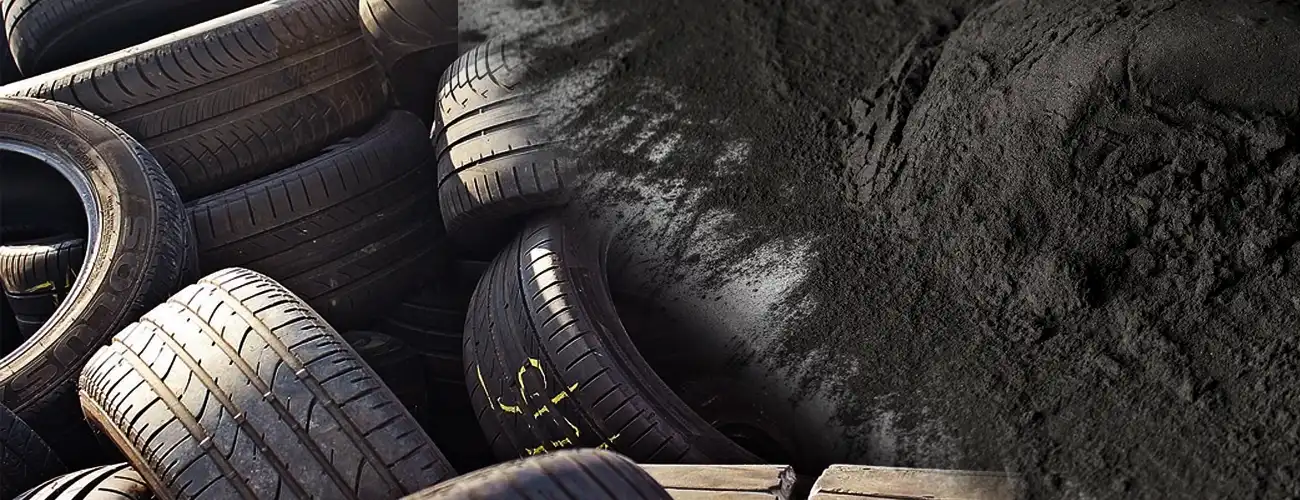
Pyrolytic Carbon Black Product Grading System
| Product Grade | Core Indicators & Characteristics | Market Share | Key Drivers & Applications |
|---|---|---|---|
| Crude Grade | Ash ≥ 18%, Sulfur ≥ 1.5%, unground | 15% | Poor raw material quality, no processing; used only for low-end filling. |
| Filling Grade | Ash 12%-18%, Sulfur 1.0%-1.5%, simple crushing | 65% | Supported by demand for reclaimed rubber and asphalt modification; overcapacity keeps prices low. |
| Refined Grade | Ash 5%-10%, Sulfur 0.5%-1.0%, grinding + magnetic separation | 12% | Demand for replacement in mid-range rubber/plastic products; environmental policies phase out crude capacity. |
| Modified Grade | Ash 3%-5%, Sulfur ≤ 0.3%, oxidative/coupling modification | 6% | Replacement for N550/N660; strong demand for cost control in downstream sectors. |
| High-end Grade | Ash ≤ 3%, Sulfur ≤ 0.2%, graphitization/composite modification | 2% | Pilot applications in tires and high-end conductive materials; high technical barriers. |
Application Scenarios for Pyrolytic Carbon Black
Rubber Industry (Accounted for 65%)
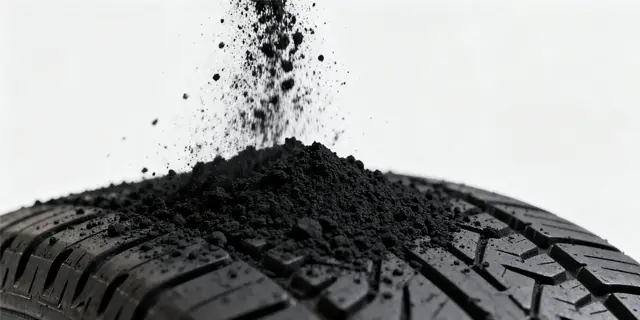
Tire Manufacturing
- Product Type: Sidewall, Carcass/Apex, Inner Liner
- Carbon Black Requirements: Ash ≤ 5%, Sulfur ≤ 0.3%, good reinforcing properties
- Replacement Ratio: Modified grade replaces 30%-50% of N550
- Cost Savings: 15%-20%
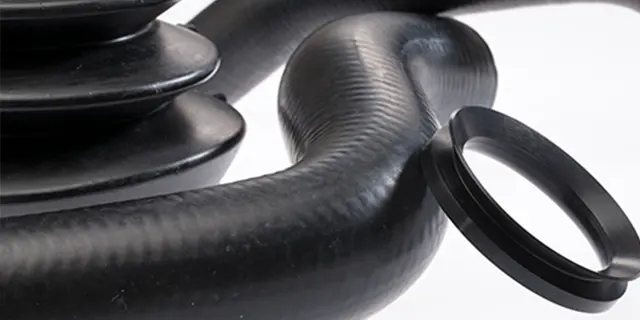
Reclaimed Rubber
- Product Type: Rubber Hose, Rubber Sheet, Sealing Gasket
- Requirements: Ash ≤ 15%, low price
- Replacement Ratio: Filling grade used directly
- Cost Savings: 30%-40%
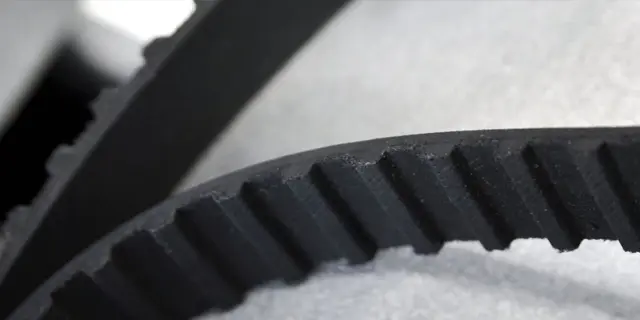
Conveyor Belts
- Product Type: Cover and core compounds of ordinary conveyor belts
- Requirements: Ash ≤ 8%, moderate abrasion resistance
- Replacement Ratio: Refined grade replaces 40% of N660
- Cost Savings: 25%-30%
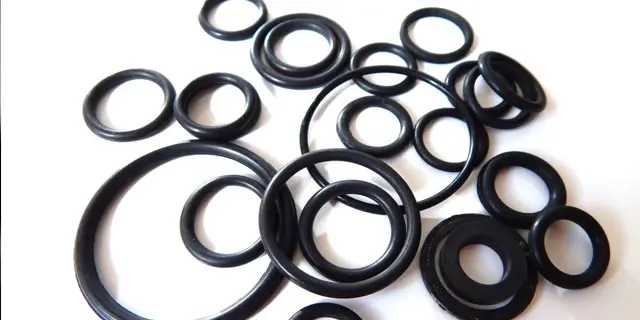
Sealing Components
- Product Type: General mechanical seals
- Requirements: Ash ≤ 5%, good dispersibility
- Replacement Ratio: Modified grade replaces 20% of N330
- Cost Savings: 10%-15%
Plastic Industry (Accounted for 20%)
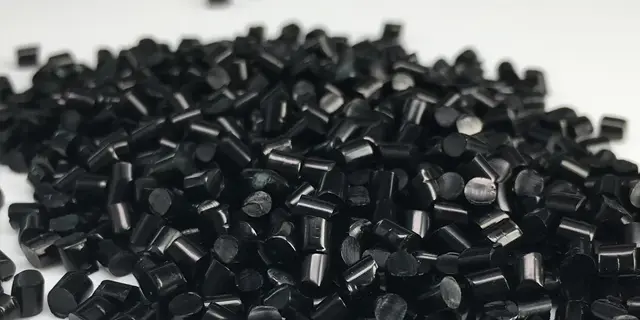
Black Masterbatch
- Product Type: PP/PE/PVC Black Masterbatch
- Requirements: High coloring power, uniform dispersion
- Loading Level: 5%–10% (Filling / Refined grade)
- Cost Savings: 20%–30%
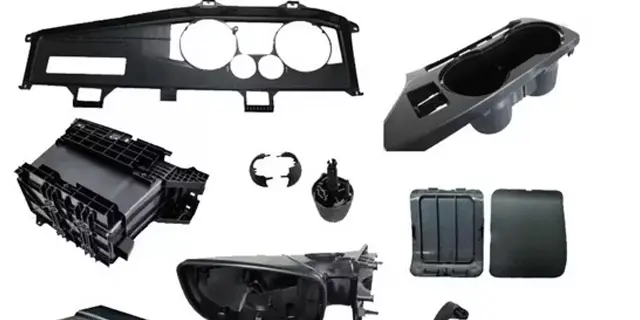
Engineering Plastic Modification
- Product Type: PA/ABS/PC Black products
- Requirements: Ash ≤ 3%, improved weather resistance and impact resistance
- Loading Level: 5%–10% (Modified grade)
- Cost Savings: 30%–40%
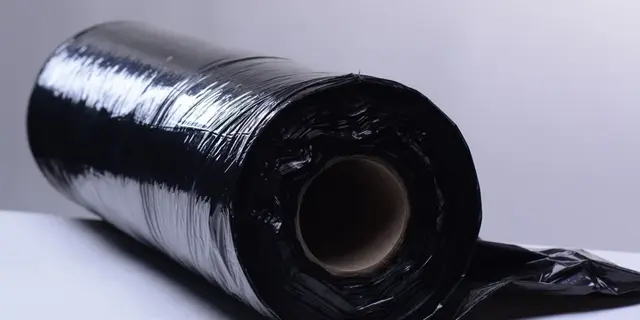
Agricultural Film / Pipes
- Product Type: Ordinary PVC/PE agricultural film, water supply/drainage pipes
- Requirements: Provides UV resistance and coloration
- Loading Level: 3%–8% (Filling grade)
- Cost Savings: 50%+
Other Industries (Accounted for 15%)
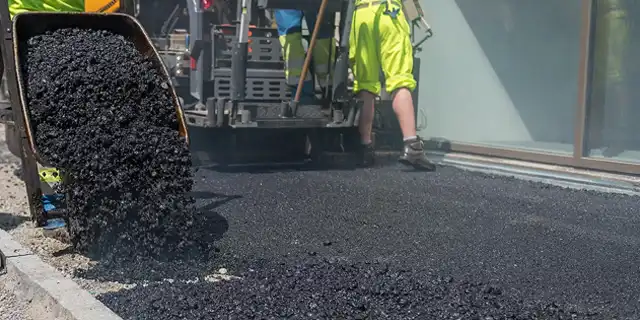
Asphalt Modification
- Product Type: Road Asphalt
- Function: Improves Marshall stability and reduces rutting depth
- Loading Level: 3%–8% (Filling grade)
- Cost Savings: Reduces asphalt cost by 15–20 USD per ton
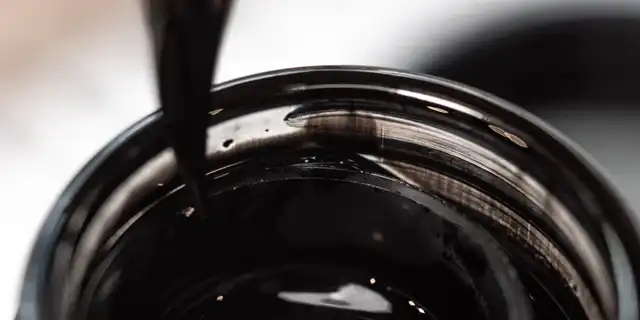
Inks / Coatings
- Product Type: Ordinary industrial paint, carton ink
- Function: Provides basic coloration and hiding power (≥ 90%)
- Loading Level: Appropriate amount (Filling grade)
- Cost Savings: 30%–50%
Conductive Materials
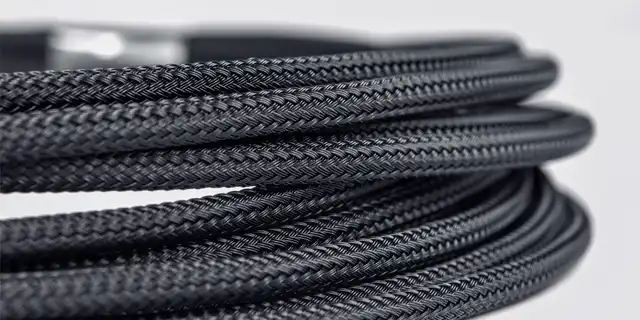
- Product Type: Anti-static flooring, cable sheathing
- Function: Volume resistivity ≤ 106; Ω·cm
- Loading Level: 10%–15% (Modified grade with Specific Surface Area ≥ 120 m²/g)
- Cost Savings: 40%–50%
Industrialization Challenges of Pyrolytic Carbon Black
Technical Bottlenecks
- Performance Fluctuations: Batch variances in feedstock lead to ±10% performance deviation (±5% for virgin carbon black), making consistency for high-end users difficult.
- High Energy Intensity: High-end modification consumes ≥800 kWh/t. Low-energy alternatives like plasma remain in the R&D stage, facing significant scaling hurdles.
- Application Compatibility: Mismatch with existing formulas necessitates secondary development of vulcanization systems, extending certification cycles to 1–2 years.
Market Risks
- Price Competition: Declining oil prices may lower vCB costs, narrowing PCB’s price advantage and potentially reducing demand by 10%–15%.
- Rising Environmental Costs: Stringent global mandates for wastewater and exhaust treatment are inflating costs, placing SMEs at high risk of elimination.
- Overcapacity Risks: Low barriers for basic modification have fueled rapid expansion, risking a supply glut and price wars with expected drops of 10%–20%.
Policy Risks
- Supply Chain Volatility: Global fluctuations in waste tire recycling systems (such as adjustments to Extended Producer Responsibility, EPR) could drive up feedstock costs, directly squeezing per-ton profit margins.
- Carbon Compliance Burdens: Carbon pricing policies across various regions may impose additional carbon taxes on high-emission production processes, impacting both cost structures and global market access.
Conclusion
Pyrolytic Carbon Black (PCB) is transitioning from a cost-driven substitute to a strategic material for sustainable manufacturing. It offers clear advantages in mid- and low-end applications, particularly where cost control and environmental value are priorities. However, its broader adoption depends on improving consistency and surface performance through advanced modification. If you would like to obtain advanced solutions for tire pyrolysis carbon black production, please contact us.