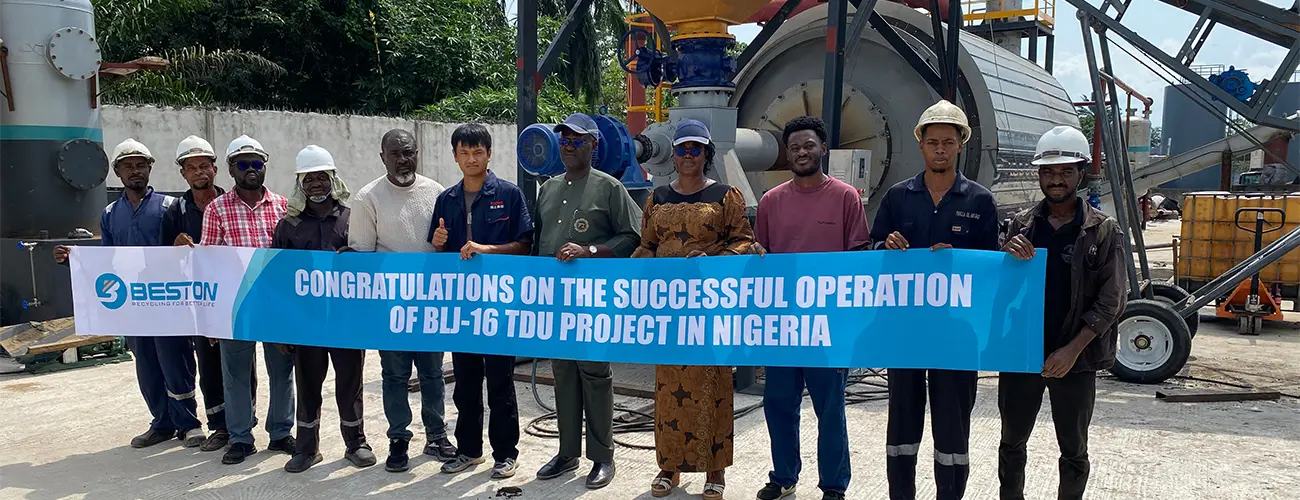
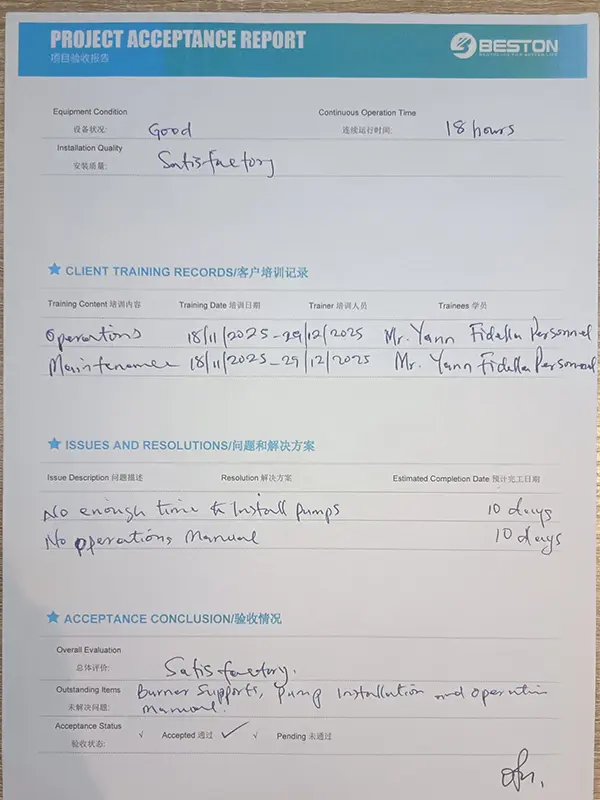
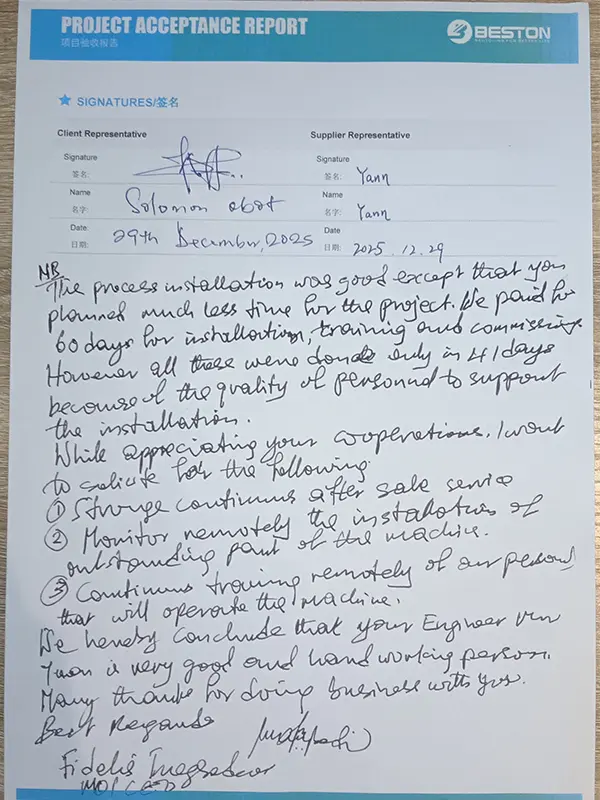
On December 29th, 2025, Beston Group successfully launched a high-efficiency oil sludge treatment project in Africa. Utilizing advanced TDU pyrolysis technology, the project converts industrial hazardous waste into high-value resources, marking a significant step forward for the region in achieving a circular economy and meeting environmental regulatory standards. Below are the detailed insights into this project:
Issues Faced & Core Objectives
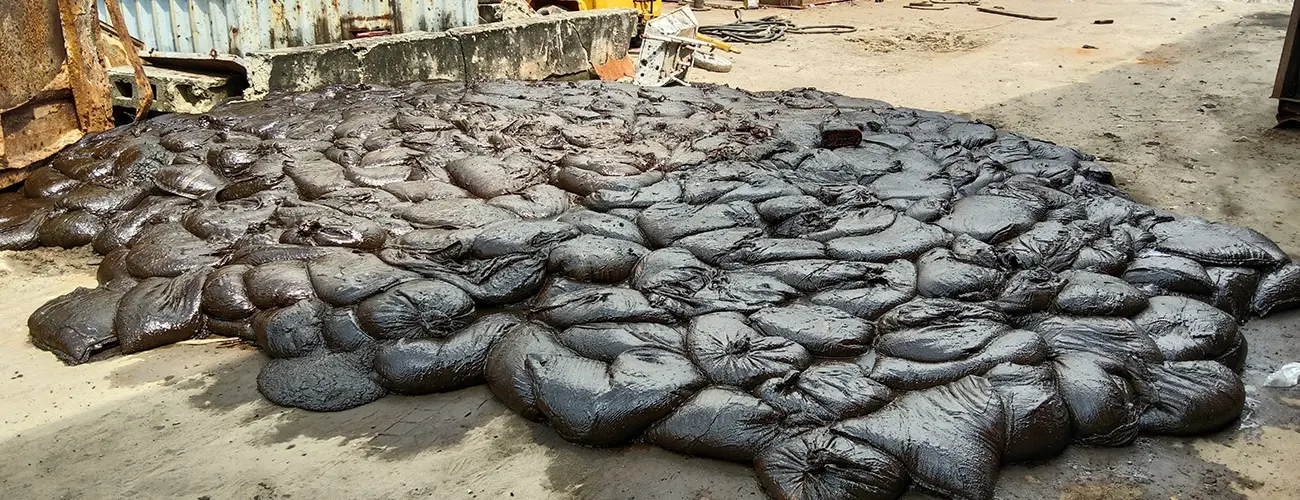
- Issues: A mid-sized solid waste management company in Africa had long struggled with massive accumulations of oil sludge. Their previous incineration methods caused severe smoke pollution and a harsh operating environment (high temperatures and odors), making it impossible to meet local environmental regulations.
- Objectives: To implement advanced pyrolysis equipment that is stable in operation, highly automated, and capable of resource recovery.
Solution & Action: BLJ-16 TDU System
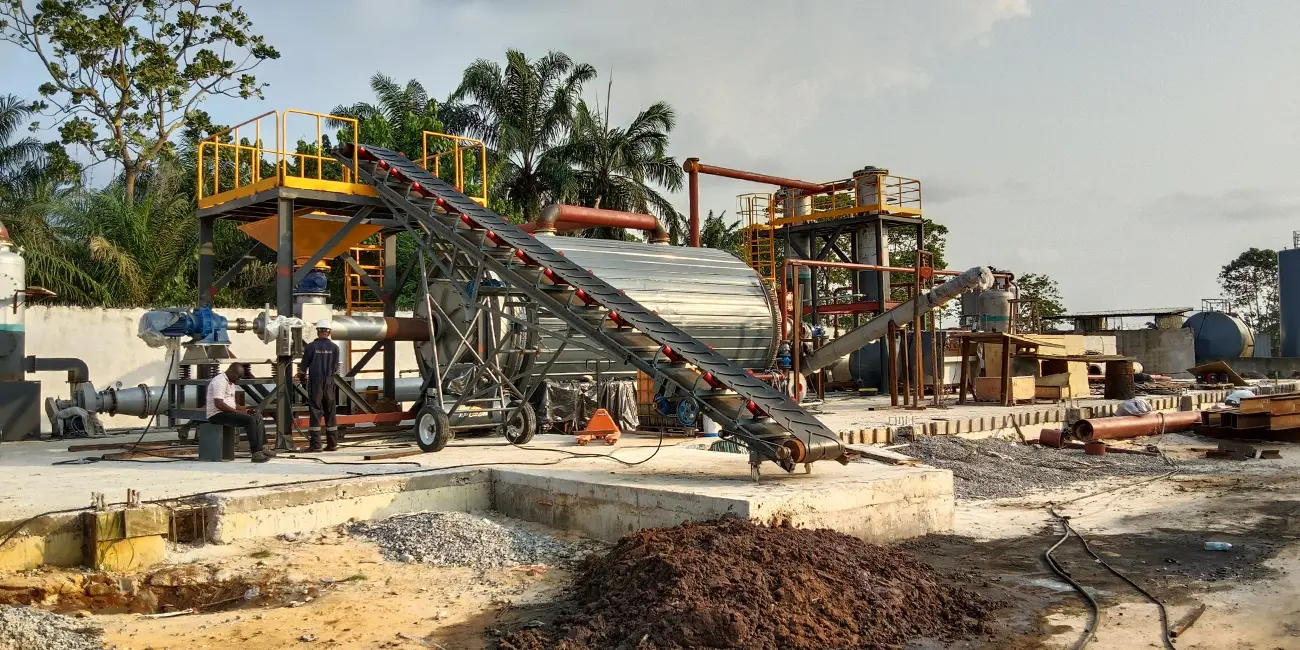
After a thorough assessment of the client’s site conditions and processing requirements, Beston Group provided a high-performance BLJ-16 Thermal Desorption Unit (TDU) solution. Below are the key project specifications for your reference:
Model Configuration
- Model: BLJ-16 thermal desorption unit (standard configuration)
- Process capacity: 16-18t/batch
- Working method: Batch
- Feeding system: Integrated combination of screw feeding and belt conveying
Project Information
- Raw material: Oil-based drill cuttings (moisture & oil content: ~35%)
- Project start date: March 27, 2025
- Successful operation date: December 29, 2025
- Project duration: 277 Days
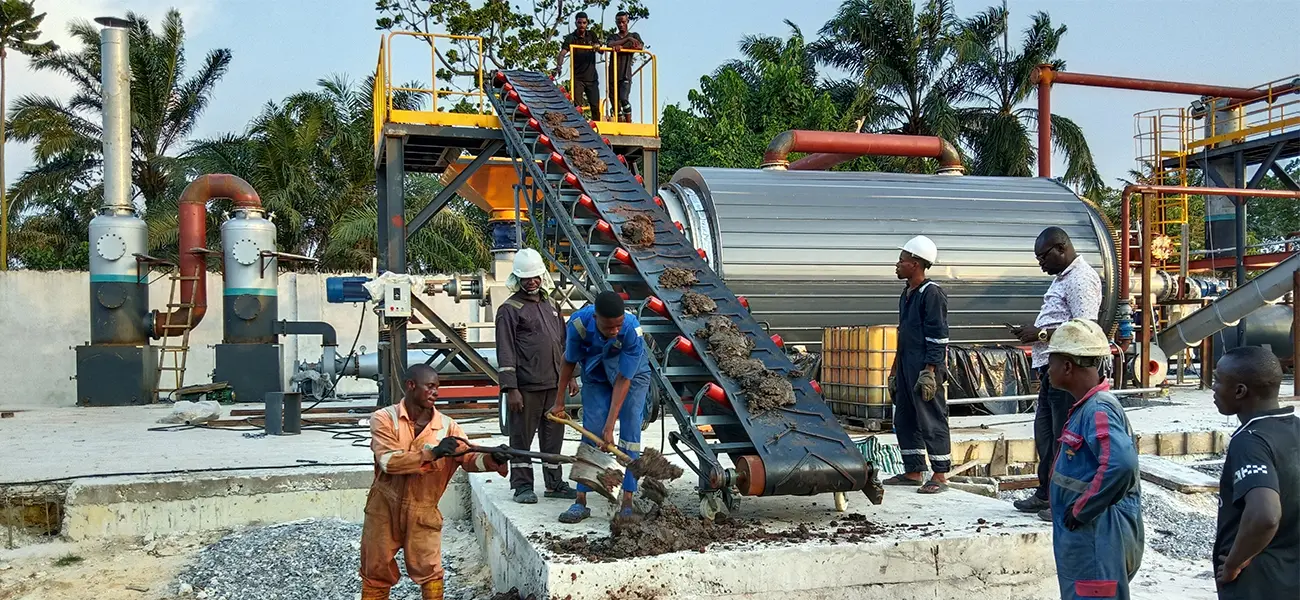
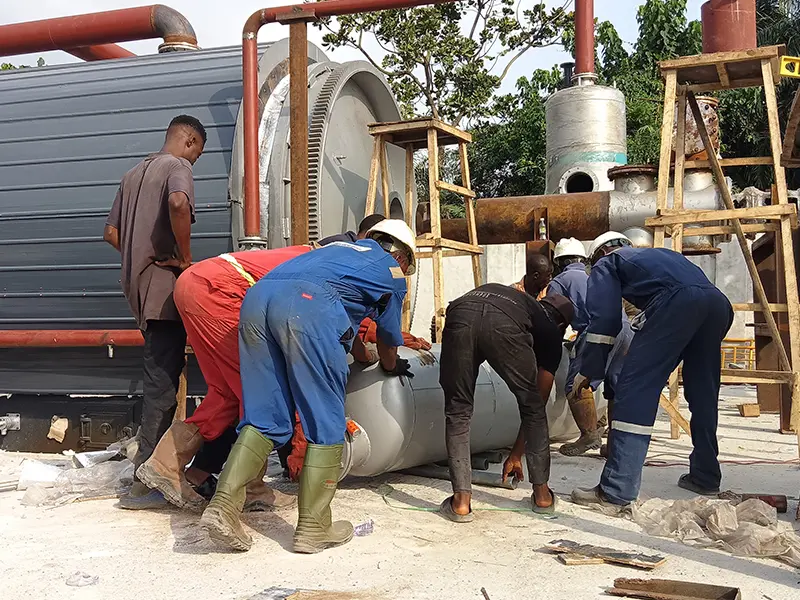
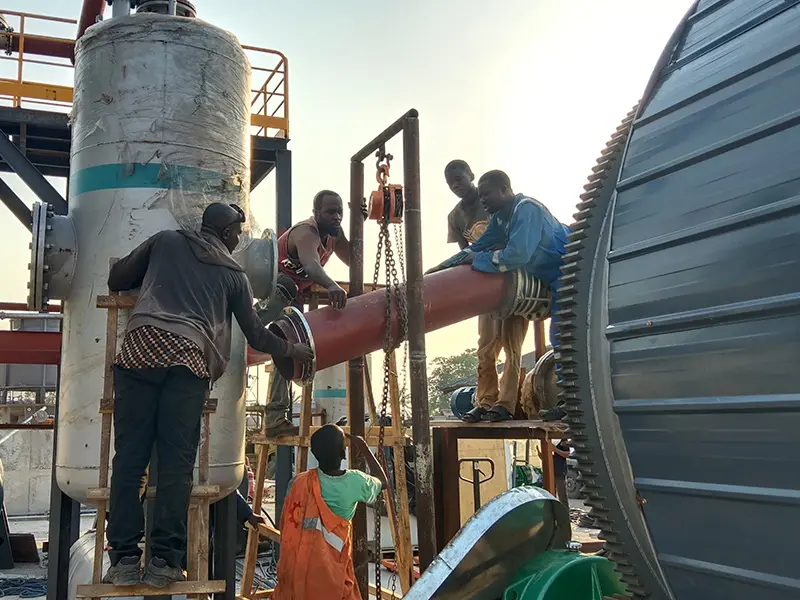
44 Days Rapid Deployment: Visual Highlights of On-Time Delivery
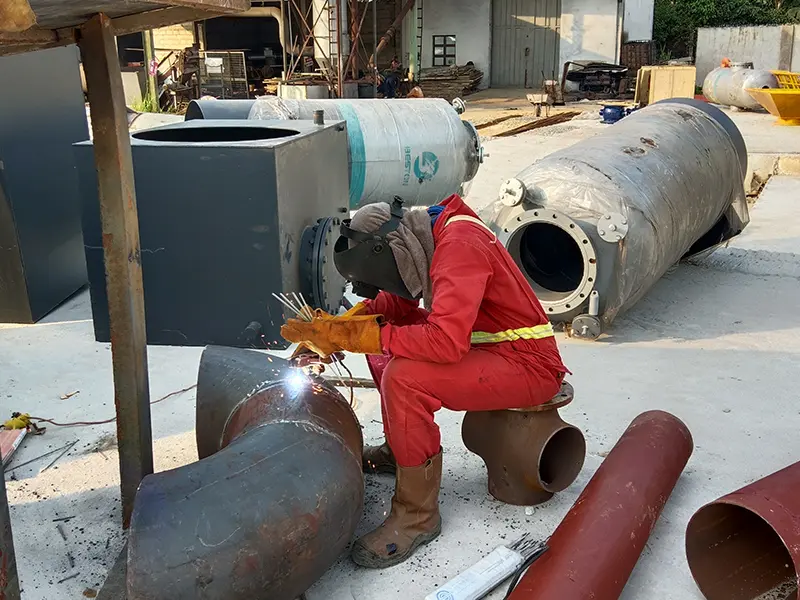
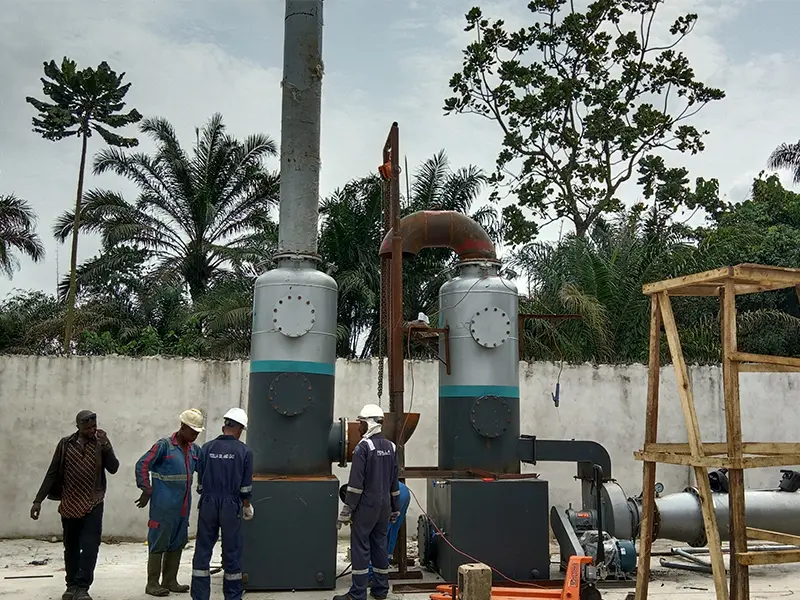
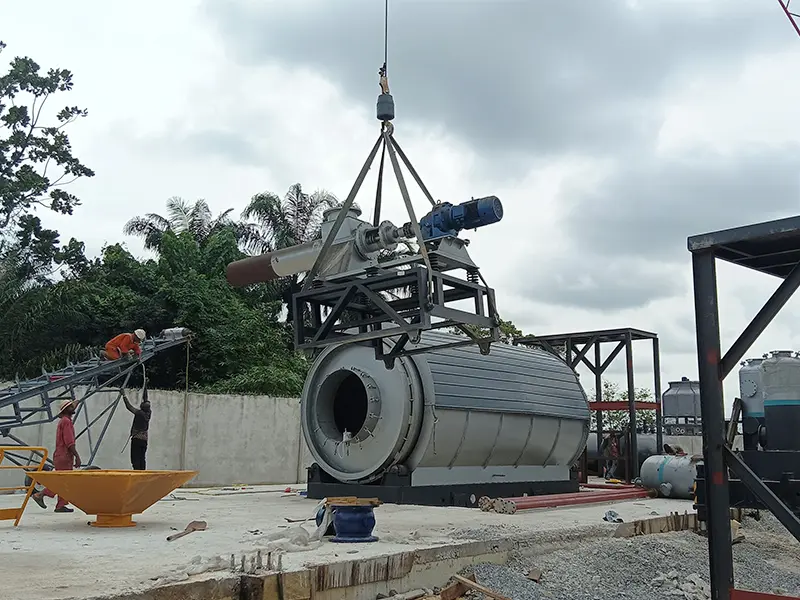
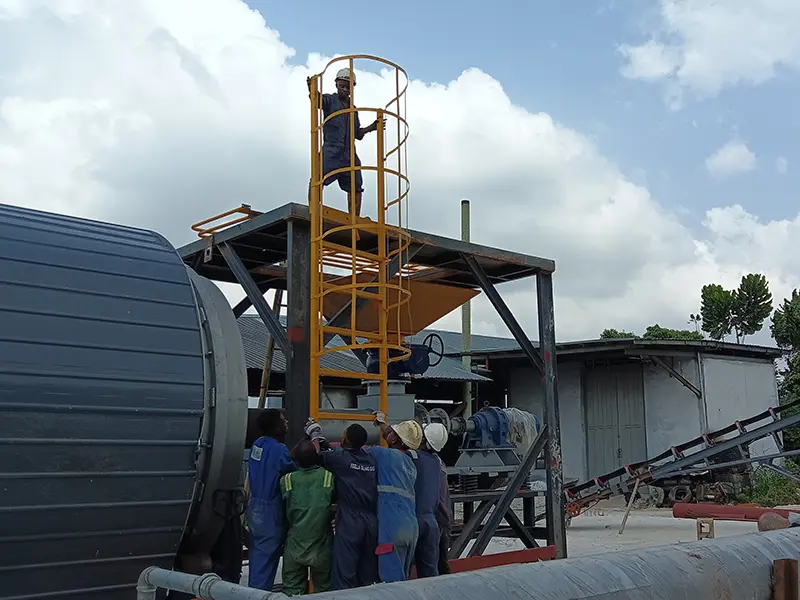
From November 16 to December 29, 2025, Beston Group team completed the on-site installation in just 44 days. 📸 Explore the highlights of our installation process below:
Project Value & Results
Following the successful 15-ton oil sludge commissioning run in late December 2025, the plant is now fully operational, delivering the following key values to the client:
- Environmental compliance: The closed-loop operation eliminated the smoke emissions associated with traditional incineration.
- Economic circularity: The produced pyrolysis oil not only fuels the equipment but the surplus also generates additional profit for the client.
- Brand elevation: The stable operation of this project has helped the client transform from a traditional “incineration station” into a benchmark enterprise for environmental treatment in the region.