Biomass Carbon Removal and Storage (BiCRS) is a carbon removal technology pathway that utilizes photosynthesis to fix atmospheric CO₂, followed by engineering processes to permanently store the carbon in biomass in a durable form. Unlike purely bioenergy production, the core goal of BiCRS is carbon removal, while simultaneously generating co-benefits such as energy, by-products, or soil improvement. Depending on the core process, conversion method, and storage mechanism, BiCRS can be categorized into the following four pathways:
Biochar Production and Storage
This pathway relies on controlled pyrolysis in the biochar production equipment, conducted under oxygen-limited or oxygen-free conditions at temperatures ranging from 450°C to 700°C. During this process, cellulose and lignin in biomass undergo dehydrogenation and deoxygenation reactions, forming solid carbon-rich particles known as biochar. To meet carbon removal criteria, biochar must comply with the following key parameters:
This is a critical indicator of biochar quality. A lower hydrogen-to-organic carbon ratio (typically < 0.7) indicates a higher degree of carbonization and aromaticity, resulting in a more stable, graphitic structure. This molecular structure forms the basis for long-term carbon sequestration.
During production, precise control of temperature and residence time is required to minimize PAH formation. This is not only essential for environmental compliance (e.g., standards such as IBI or EBC), but also a prerequisite to ensure that biochar is non-toxic for soil application.
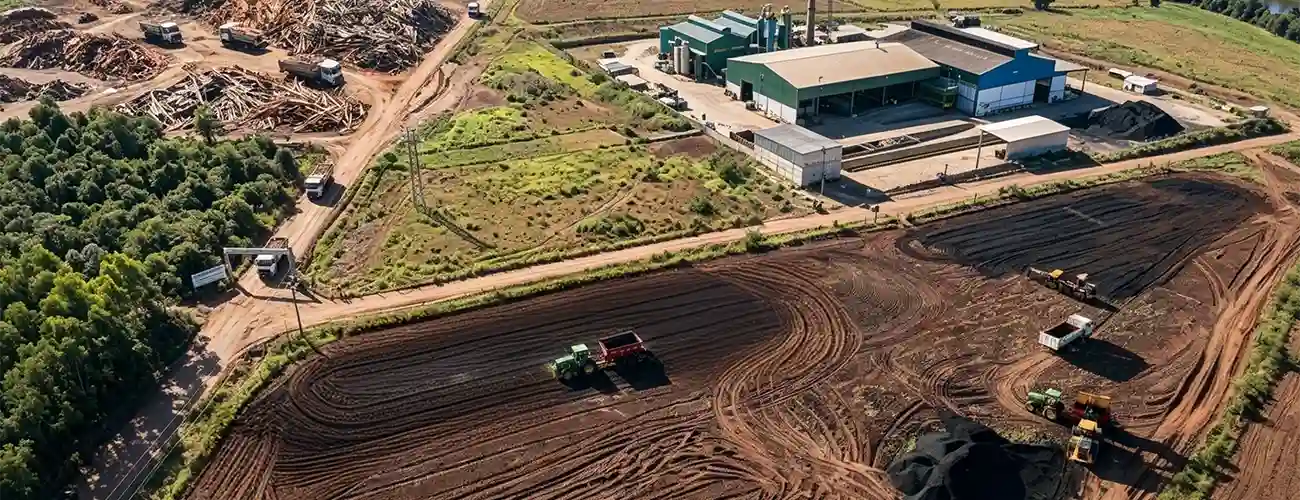
Carbon Sequestration Environments
Soil Environment
Application in agricultural land, forest restoration, and livestock systems (as feed additives or bedding), ultimately returning to soil via manure.
Sequestration Mechanism: During pyrolysis, biochar forms a highly aromatic, graphene-like structure. This dense carbon matrix exhibits strong resistance to microbial degradation. In essence, carbon is shifted from the active biological cycle into an extremely slow geochemical cycle.
Built Environment
Concrete aggregate substitution, asphalt filling, green building panels, and industrial composite fillers.
Sequestration Mechanism: Biochar is embedded within highly alkaline or dense matrices, effectively isolating it from microorganisms, moisture, and oxygen. This creates an inert environment for the biochar. Even after the service life of the material ends, as long as incineration is avoided, the carbon remains locked within the material.
Geological Environment
Deep well injection of biochar slurry, backfilling of abandoned mines or tunnels, and engineered underground burial systems.
Sequestration Mechanism: The inherent chemical stability of biochar, combined with the anoxic conditions of geological formations, creates an environment that cannot support oxidative reactions due to extremely low oxygen and moisture levels. This not only stabilizes the carbon but also minimizes the risk of slow abiotic oxidation on the biochar surface.
Bioenergy with Carbon Capture and Storage (BECCS)
This pathway involves deep purification of flue gas generated during biomass-to-energy conversion. It utilizes chemical amine solvents to capture CO₂, which is then processed into a high-density supercritical fluid. Finally, the CO₂ is transported by high-pressure pipelines and injected into deep geological formations for long-term storage (geological injection). To ensure effective implementation, the following key parameters must be addressed:
Flue gas from biomass combustion contains complex components, including high concentrations of particulates, alkali metals, and acidic gases. If pre-treatment is insufficient, these impurities can cause oxidative degradation of the amine solvent, leading to increased solvent consumption and corrosion of process equipment and pipelines.
Captured CO₂ must be converted into a high-density supercritical state before entering long-distance transportation networks. This requires multi-stage centrifugal compressors and advanced dehydration units. Must controll moisture content below 50 ppm to prevent the formation of corrosive acids under high-pressure conditions (above 10 MPa).
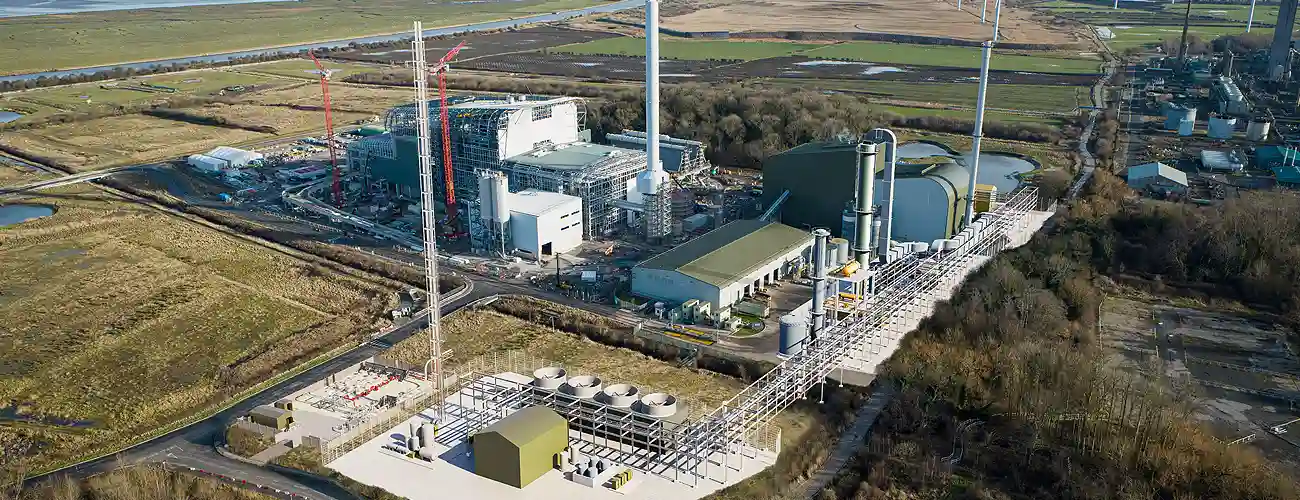
Carbon Sequestration Environments
Deep Saline Aquifers
Located in onshore or offshore basins with high porosity deep sandstone layers (not containing drinkable water resources).
Sequestration Mechanism: Physical Barriers and Dissolution Capture. After supercritical CO₂ is injected, it is physically trapped by an overlying impermeable caprock. The CO₂ then gradually dissolves into the formation’s saline water, forming ions. This process utilizes fluid dynamics traps to achieve large-scale, permanent carbon locking.
Depleted Oil & Gas Reservoirs
Abandoned oil and gas fields that have been closed for extraction or industrial cluster areas in conjunction with CO₂-EOR (Enhanced Oil Recovery).
Sequestration Mechanism: In-situ Pressure Restoration. By utilizing the natural sealing structures formed during geological history (sealing confirmed by millions of years of oil and gas storage records), CO₂ is re-injected to restore formation pressure, enabling the physical re-establishment of carbon atoms in their original storage space.
Basaltic Mineralization
Active basalt formations or ultramafic rock injection areas.
Sequestration Mechanism: In-situ Mineral Transformation. Injected CO₂ reacts with calcium, magnesium, and iron ions in the basalt to undergo in-situ chemical reactions, transforming into solid carbonate minerals (such as calcite) within a very short time frame (from months to years), completely eliminating the physical possibility of carbon leakage.
Biomass Geological Storage
Biomass Geological Storage (BGS) involves pre-treatment and transformation of biomass into the following:
- Mechanical Pulverization to prepare a high-concentration slurry;
- Fast Pyrolysis/Liquefaction to convert biomass into organic bio-oil;
- High-pressure Physical Compression to form dense solid waste.
The processed material is then injected into deep geological formations, where extreme physical and chemical barriers in the earth permanently isolate the carbon in an organic phase. In implementation, the following aspects must be closely monitored:
The slurry or bio-oil has strong non-Newtonian fluid characteristics. As injection depth, temperature, and pressure increase, an unstable formulation may cause settling or secondary polymerization, leading to clogging of wellbores or permanent blockage of formation pores.
The selected environment must have extremely high osmotic pressure or very low redox potential. If water loss is uncontrolled or oxygen intrusion occurs, methane-producing bacteria may break down the sequestered material, causing carbon sequestration failure.
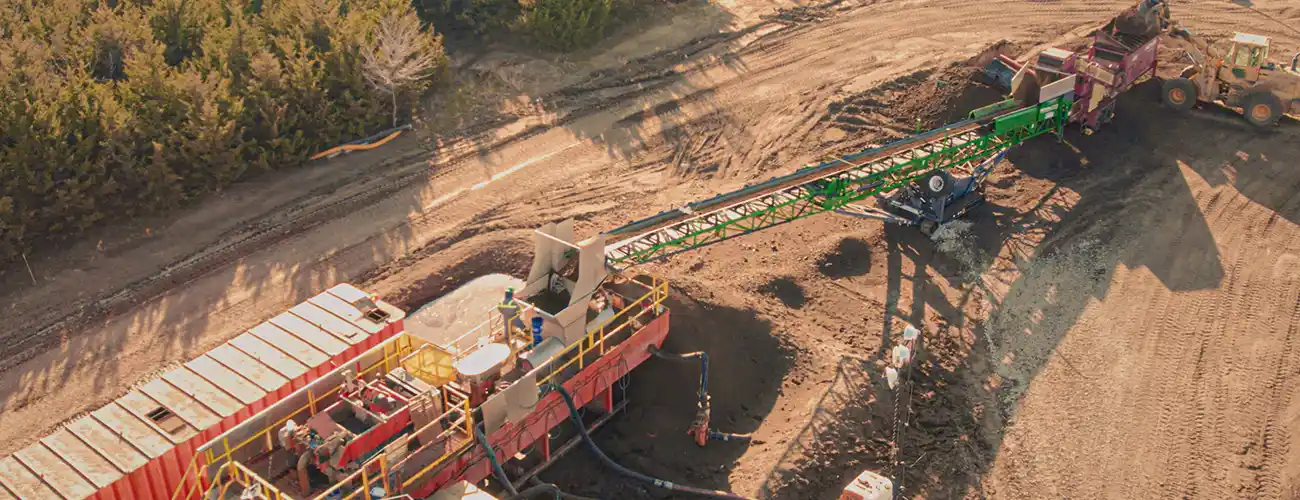
Carbon Sequestration Environments
Permeable Reservoirs
Located in onshore or offshore sedimentary basins with high-porosity deep sandstone layers, typically using existing deep well injection points.
Sequestration Mechanism: Physical Trapping and Pore Filling. The dense caprock provides vertical interception. Pump high-viscosity liquids or slurries into the rock. They form capillary retention in the rock’s micro-pores. This process essentially cures the material in place, locking the carbon within the formation and isolating it from the biosphere cycle.
Salt Caverns
Deep, large salt caverns formed through water-soluble mining, with excellent gas-tightness and creep self-healing properties.
Sequestration Mechanism: Biochemical Shielding and Environmental Suppression. The naturally high-salinity, sterilizing environment of salt caverns completely cuts off microbial enzymatic pathways to organic carbon, preventing degradation into gas and enabling ultra-large-scale, high-density organic carbon isolation.
Engineered Underground Vaults
Controlled underground isolation chambers, impermeable backfilled abandoned mines, or specially excavated geological storage facilities.
Sequestration Mechanism: Kinetic Sequestration. For solid biomass that cannot be pumped, highly dry and anoxic (lack of oxygen) underground stable structures are chosen. In the absence of moisture and oxidizing agents, the biochemical degradation rate of biomass approaches zero, achieving long-term carbon fixation.
Biomass Direct Storage
Biomass Direct Storage (BDS) involves extremely low-energy physical processing of biomass through the following methods:
- Mechanical Grinding and Deep Dehydration (controlling moisture content below a critical threshold);
- High-Pressure Physical Compression (forming high-density carbon blocks to reduce surface area);
- High-Performance Barrier Coating (using polymers or inorganic materials to block moisture and oxygen).
Place the processed biomass into specific geological formations or engineered facilities to cut off the carbon cycle through extreme micro-environments. Focus on the following key aspects during implementation:
It is essential to reduce the water activity (aw) of the biomass to below the threshold where microbial metabolism is significantly limited (typically below 0.6–0.7). If the pre-treatment is inadequate, residual moisture in the biomass may cause spontaneous degradation, leading to secondary releases of CO₂ or methane.
Under complex underground stress and acidic environments, the coating or engineered impermeable membrane may degrade, penetrate, or mechanically break. If this occurs, oxygen and groundwater can rapidly infiltrate the biomass. Once the anoxic environment is compromised, aerobic fungi may begin the decomposition process.
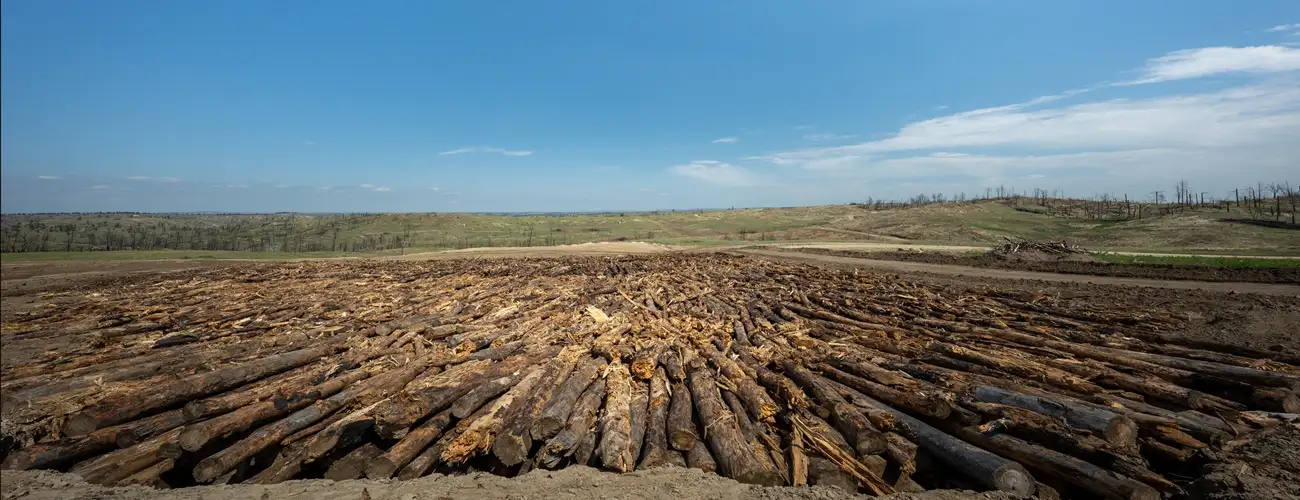
Carbon Sequestration Environments
Engineered Storage Vaults
Abandoned mines, impermeable backfilled chambers, or specially excavated geological storage facilities.
Sequestration Mechanism: Redundant Physical Barriers. Stack high-density compressed and encapsulated carbon blocks in controlled spaces. Multiple engineering barriers, such as HDPE impermeable membranes or compacted clay liners, create sealed chambers, cutting off moisture and oxygen exchange, thus keeping the biomass in an inert “dry storage” state.
Arid & Managed Storage
Located in arid basins or desert regions where annual evaporation exceeds precipitation.
Sequestration Mechanism: Natural Kinetic Inhibition. The naturally dry environment of the storage area keeps the water activity (aw) below a critical threshold for long periods. In such an extreme water-deficient microenvironment, microorganisms are unable to complete enzymatic reactions, thereby “freezing” the degradation kinetics of lignocellulose at a biochemical level.
Deep Anoxic Sediments
Located below the water table, consisting of deep clay layers or sedimentary basins with extremely low permeability.
Sequestration Mechanism: Redox Locking. Place biomass in a natural anoxic environment where oxygen levels remain consistently below 1%. Under these conditions, aerobic fungi that decompose lignin cannot survive. Anaerobic metabolism, due to its low energy conversion efficiency and limitations in the accumulation of metabolic products in dense layers, results in negligible carbon loss over long periods.
Multi-Pathway Comparative Analysis
| Evaluation Dimension | Biochar Production and Storage | Bioenergy with Carbon Capture and Storage (BECCS) | Biomass Geological Storage (BGS) | Biomass Direct Storage (BDS) |
|---|---|---|---|---|
| Technology Readiness Level (TRL) | TRL 9 (Commercially mature) | TRL 7-8 (Industrial-scale pilot) | TRL 6-7 (Rapid expansion phase) | TRL 5-6 (Demonstration stage) |
| Capital Expenditure (CAPEX) | Medium: Diverse equipment types, flexible deployment. | Very High: Requires large-scale capture units and geological injection systems. | High: Requires pyrolysis plants or deep-well operation equipment. | Medium: Focuses on mechanical processing and engineered burial. |
| Sequestration Permanence | 200 – 1000+ years | 1000+ years | 1000+ years | 100 – 1000+ years |
| Market Recognition | Very High: Significant co-benefits and high delivery rate. | High: Viewed as a cornerstone for achieving Global Net-Zero. | Medium: Currently optimizing for technical and economic feasibility. | Medium: Emerging pathway, reliant on protocol refinement. |
| Carbon Credit Price | $140-160/tCO₂ | $200-220/tCO₂ | $380-400/tCO₂ | $70-80/tCO₂ |
BiCRS Reshapes the Biological Carbon Cycle
The core value of BiCRS lies in its ability to transform fragile biomass cycles—through industrialized means—into robust, geological-scale carbon reservoirs. The versatility of biochar, the high throughput of BECCS, and the exceptional permanence of geological sequestration collectively form a complementary ecosystem of negative-carbon assets. As verification standards continue to mature, these pathways will emerge as indispensable industrial cornerstones in the global pursuit of carbon neutrality. Follow us on LinkedIn for more updates on carbon removal.