Pyrolysis technology transforms waste tires and rubber into high-value resources, primarily pyrolysis oil (TPO) and carbon black. As global industries pivot toward circular economy models, these end-products have evolved from mere recycled outputs into essential industrial feedstocks. In this guide, we provide a technical overview and market analysis of tire pyrolysis oil, exploring its diverse applications and economic potential.
What is Tyre Pyrolysis Oil (TPO)?
Definition
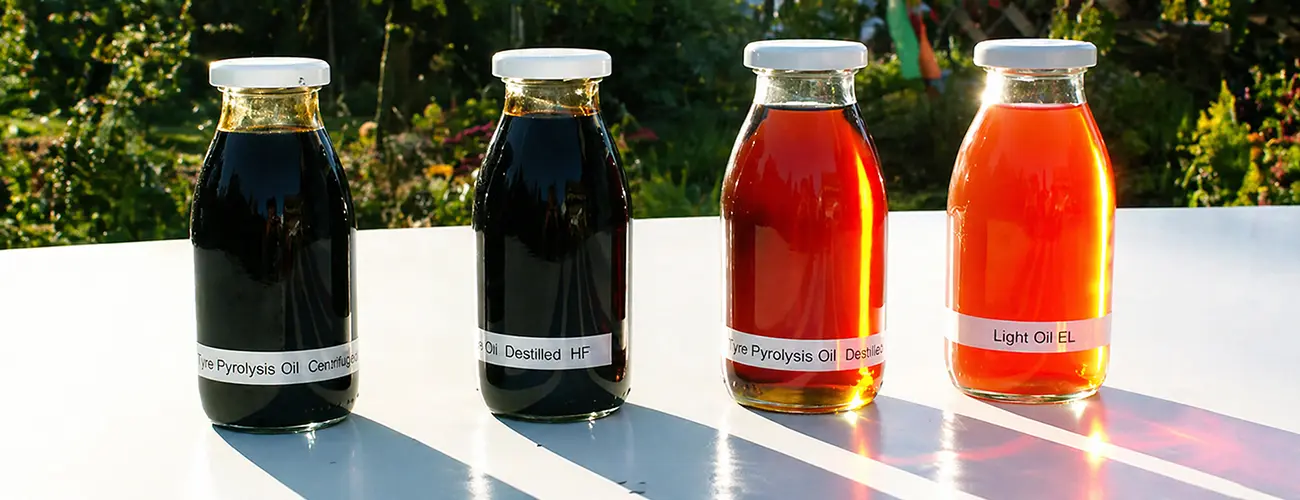
Tyre Pyrolysis Oil (TPO) is a high-energy liquid fuel produced through the thermal decomposition of waste tires in an oxygen-free reactor. It is the primary condensed product of the pyrolysis process, converting solid shredded tyre into a versatile liquid resource.
Key Characteristics
- High calorific value: Features a heating value of approx 10,000 kcal/kg.
- Sustainability: A circular economy product that reduces reliance on virgin fossil fuels.
- Industrial stability: A complex hydrocarbon mixture with low moisture, ideal for long-term storage and heavy-duty combustion.
How is Tyre Pyrolysis Oil (TPO) Generated?
To maximize oil quality and yield, Beston Group’s tyre pyrolysis plant utilises a high-efficiency thermochemical conversion process. This “Solid-to-Liquid” transformation is distilled into three critical stages:
Phase 1
Anaerobic Thermal Decomposition
The process begins in the heart of the plant—the pyrolysis reactor. The shredded tyre is heated in a strictly oxygen-free environment. As temperatures reach the optimal range, the cross-linked polymers within the rubber break down, transforming the solid waste into a high-energy gas. This stage is where the potential of the tire is unlocked.
Phase 2
High-Velocity Condensation
The hot oil gas is then directed into an advanced condensing system. This is the most crucial step for oil production. By utilizing high-surface-area heat exchangers, the gas is rapidly chilled. This sudden temperature drop causes the vapor to liquify into Tyre Pyrolysis Oil (TPO), which is then safely collected in heavy-duty storage tanks.
Phase 3
Syn-gas Purification & Recirculation
Not all gas becomes liquid; the remaining non-condensable gas (Syn-gas) is a valuable energy source. Instead of being wasted, it passes through a purification system and is recycled back into the furnace as fuel. This closed-loop system not only powers the oil production but also ensures that the entire process is self-sustaining and eco-friendly.
Technical Verification: Tyre Pyrolysis Performance and Oil Quality Reports
To provide global partners with a reliable investment reference, Beston Group has conducted rigorous laboratory testing on waste tire samples. These reports validate both the efficiency of the thermal conversion process and the commercial grade of the resulting fuel.
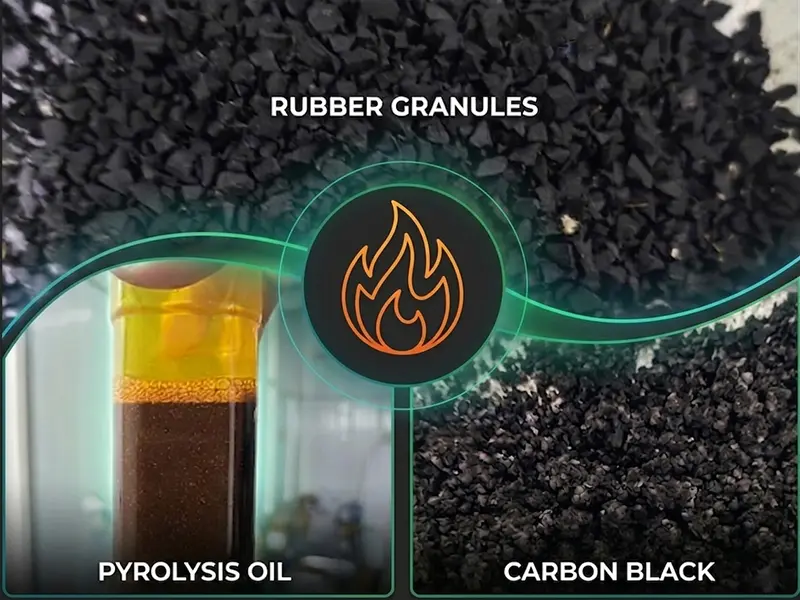
Tyre Pyrolysis Performance & Yield Report
Test Material: All-steel tire granules
Test Process: Heating a 300g tire granules sample to 325°C
Test Time: 1h 43min
Test Result:
| Composition | Unit/g | Ratio/% |
|---|---|---|
| Oil | 129g | 43% |
| Carbon black | 132g | 44% |
| Non-condensable gas | 39g | 13% |
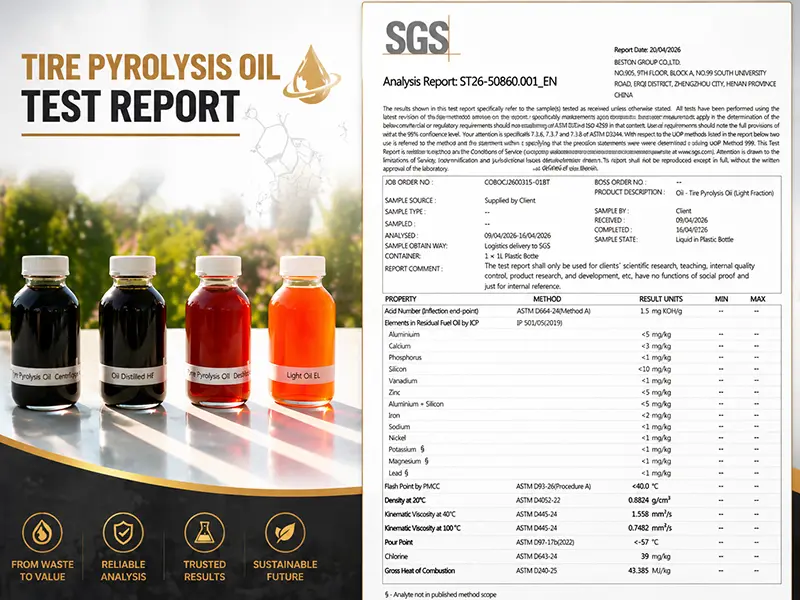
SGS Tyre Pyrolysis Oil Analysis Report
Product Description: Oil – Tire Pyrolysis Oil (Light Fraction)
Report Date: 20/04/2026
Sample State: Liquid in Plastic Bottle
Presentation of Key Metrics:
| Property | Method | Result Units |
|---|---|---|
| Flash Point by PMCC | ASTM D93-26(Procedure A) | <40.0°C |
| Pour Point | ASTM D97-17b(2022) | <-57°C |
| Gross Heat of Combustion | ASTM D240-25 | 43.385MJ/kg |
High-Value Applications of Tyre Pyrolysis Oil (TPO)
Direct Industrial Fuel for High-Energy Operations
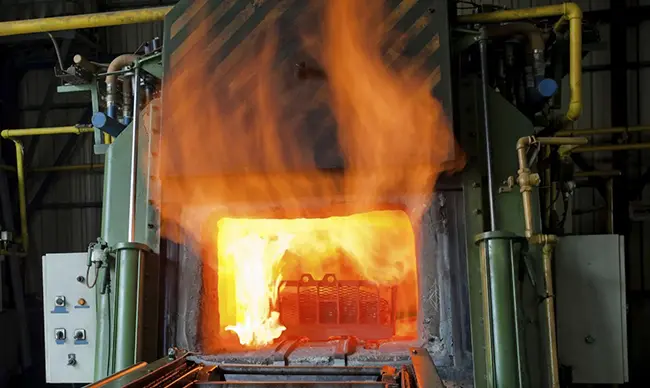
Tyre Pyrolysis Oil (TPO) is a high-performance alternative to traditional furnace oil. Due to its exceptional calorific value, it is widely adopted as the primary heating source in energy-intensive sectors:
- Industrial kilns & furnaces: Providing consistent, high-intensity heat for cement plants, steel mills, glass factories, and ceramic production.
- Boiler systems: Serving as a cost-effective fuel for industrial boilers and district heating centres to generate steam or heat.
Feedstock for Naphtha and Chemical Production
Beyond its use as a fuel, TPO can be further processed into naphtha, a high-value chemical intermediate. This positions tire recycling within the high-end petrochemical value chain:
- Plastic manufacturing: Serving as a vital feedstock for the production of various plastic polymers.
- Industrial solvents: Utilized in the chemical industry for specialized cleaning and processing applications.
- Gasoline blending: Acting as a crucial blending component to optimize fuel performance in the energy market.
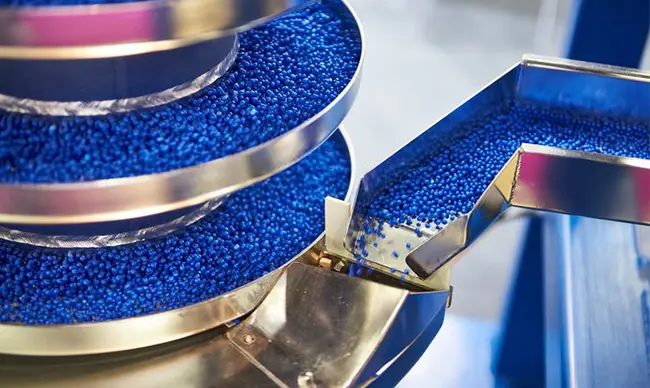

Upgrading to Non-standard Diesel for Heavy Machinery
For higher profit margins, TPO can be refined through a distillation plant to produce non-standard diesel. This upgraded fuel significantly expands the commercial utility of the oil:
- Power generation: Used as a reliable energy source for heavy oil generators.
- Heavy equipment: Capable of powering heavy machinery engines in mining, construction, and agricultural sectors, offering a more affordable alternative to conventional diesel.
Tyre Pyrolysis Oil Market Price
The market price of tyre pyrolysis oil made from tyre to oil plant is highly resilient and generally trends alongside international crude oil benchmarks. However, as a recycled “circular” fuel, TPO often maintains a competitive price advantage, making it a highly attractive alternative for industrial consumers seeking to lower energy costs.
| Region / Country | Estimated Price (USD/Ton) | Primary Market Drivers |
|---|---|---|
| China | $450 – $600 | High demand from steel and cement industries. |
| Southeast Asia (Vietnam/Thailand) | $400 – $550 | Growing industrial base; strong demand for boiler fuel. |
| European Union | $550 – $750 | Driven by carbon taxes and renewable energy incentives. |
| Middle East (Oman/UAE) | $350 – $500 | Competition with local fuel oil; used in heavy machinery. |
| North America (USA/Canada) | $500 – $700 | High demand for “drop-in” fuels and naphtha feedstock. |
| India | $420 – $580 | Extensive use in industrial kilns and brick factories. |
* Note: Prices are for crude Tyre Pyrolysis Oil. Refining via distillation can increase market value by 30% – 50%.
Future Outlook: The Strategic Value of Tyre Pyrolysis Oil in a Circular Economy
As global industries shift toward decarbonization, tyre pyrolysis oil (TPO) is no longer seen as just a “waste-derived fuel” but as a critical sustainable resource. The transformation of end-of-life tires into high-value oil aligns perfectly with the global mandate for resource recovery and environmental compliance.
Rising Global Demand in the Green Energy Transition
By 2026, the global tyre pyrolysis oil market is projected to exceed $390 million USD, growing at a steady CAGR as heavy industries seek renewable fuel substitutes.
- Policy support: Regions like the EU and North America are implementing stricter landfill bans and issuing high-value carbon credits for waste-to-energy projects, making TPO production more profitable than ever.
- Fuel independence: In emerging markets, TPO provides a reliable, decentralized energy source that reduces reliance on expensive, imported crude oil.
The Shift Toward High-Value Chemical Recycling
The most significant prospect for TPO lies in its evolution from a simple burner fuel to a premium chemical feedstock.
- Chemical industry recognition: Major economies, including France and China, have officially recognized TPO as a raw material for the chemical industry. This opens doors for TPO to be used in producing “circular plastics” and synthetic rubber, significantly increasing its market value.
- Refining potential: With the integration of Beston’s distillation technology, the ability to convert crude TPO into non-standard diesel or naphtha positions investors at the forefront of the high-end energy market.
Conclusion
Tyre pyrolysis oil (TPO) has proven to be more than just a waste-derived fuel; it is a vital, high-energy pillar of the modern circular economy. As global demand for sustainable chemical feedstocks and alternative energy grows, TPO offers a unique combination of environmental compliance and high market profitability. By utilizing Beston’s advanced technology, you can maximize the value of this strategic resource for a greener industrial future.