In commercial plastic-to-oil operations, PET and PVC are excluded from the pyrolysis feedstock to ensure process safety and economic viability. PET pyrolysis results in an extremely low oil yield, producing excessive solid char and benzoic acid that cause reactor clogging. PVC pyrolysis releases highly corrosive hydrogen chloride (HCl) gas, leading to rapid equipment damage and toxic dioxin emissions. Consequently, PET and PVC are fundamentally incompatible with standard plastic pyrolysis. Understanding these limitations is essential for recycling operators to safeguard pyrolysis infrastructure.
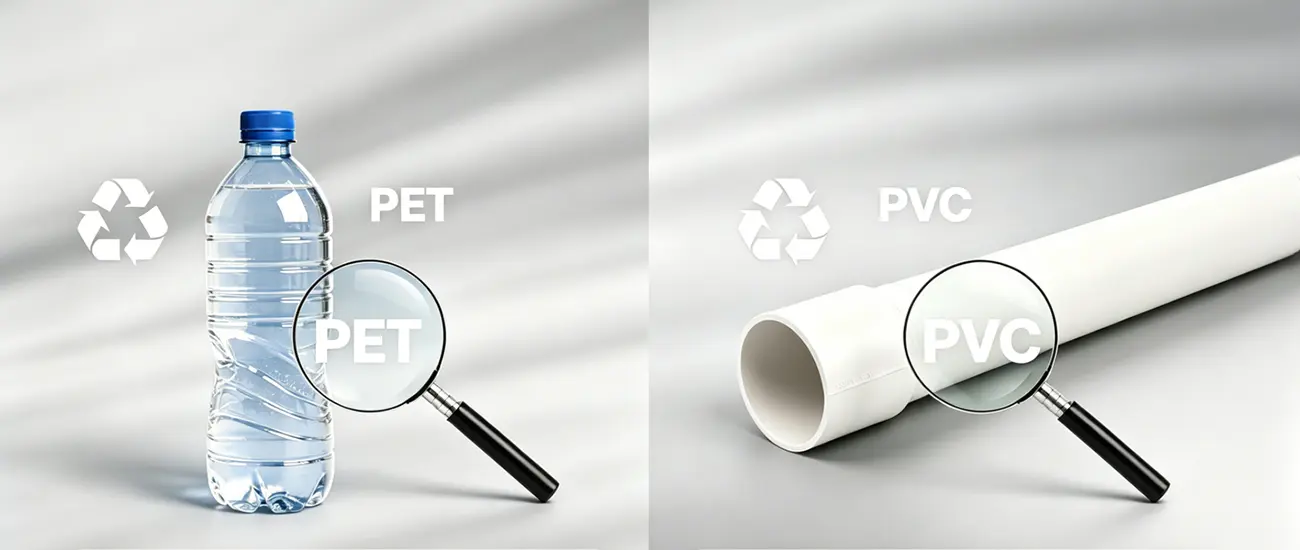
Why Is PET Not Used for Pyrolysis to Oil?
Polyethylene Terephthalate (PET) is unsuitable for standard pyrolysis due to its oxygen-rich ester linkages and aromatic benzene rings. PET pyrolysis has a low oil yield below 35% and generates solid-forming byproducts such as Terephthalic Acid and Benzoic Acid. These compounds rapidly crystallize in cooling zones, choking pipelines and creating dangerous overpressure risks.
Pyrolysis Feedstock Thresholds: PET ≤ 5% by weight
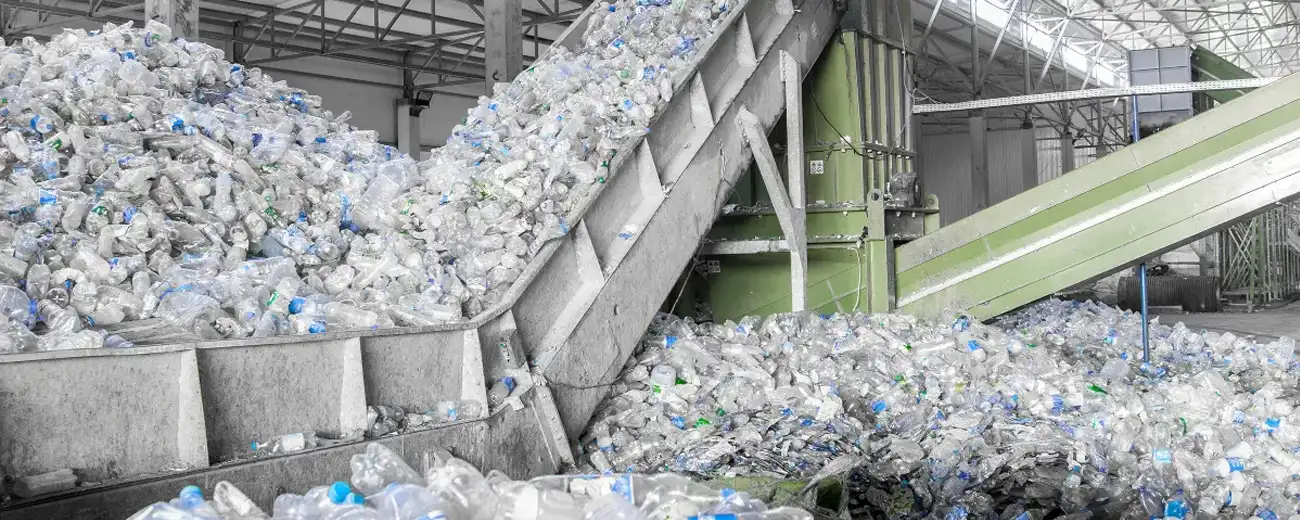
Severe Equipment Blockages (Core Reason)
PET pyrolysis generates terephthalic acid (TPA) vapor, which rapidly desublimates and crystallizes into solid powder upon entering the condensation system. Simultaneously, PET pyrolysis produces high-viscosity oligomeric tar. These substances intermix and adhere to pipeline walls, valves, and condensers, causing severe mechanical blockages and overpressure safety risks.
Dismal Yield/Quality & Poor Economic Viability
PET pyrolysis oil yield is typically below 30%. Moreover, because PET inherently has a high oxygen content, the resulting oil is heavily contaminated with oxygenated compounds. This leads to a low calorific value, high acidity (corrosive), high viscosity, and poor fluidity. Consequently, Consequently, this low-grade oil has no viable commercial market.
Toxic Products
PET molecules contain benzene ring structures. During pyrolysis, toxic and hazardous substances are produced, mainly including polycyclic aromatic hydrocarbons (PAHs), benzene, and toluene. These compounds are toxic, carcinogenic, or mutagenic, and are subject to strict regulatory controls in most jurisdictions.
Accelerated Equipment Corrosion
While not as severely corrosive as PVC (which releases hydrochloric acid, HCl), the organic acids generated by PET pyrolysis are far more corrosive to plastic pyrolysis equipment than PE, PP, or PS pyrolysis. Over time, this acid etching thins the reactor shell, significantly reducing equipment service life.
Why Is PVC Not Used for Pyrolysis to Oil?
PVC (Polyvinyl Chloride) is strictly prohibited in conventional plastic pyrolysis, as it contains 57% chlorine by weight. At high temperatures, PVC decomposes and releases large amounts of hydrogen chloride (HCl), a highly corrosive and toxic gas. Therefore, pyrolysis of PVC poses severe health risks to personnel, causes heavy corrosion to reactors and leads to poor economic benefits.
Pyrolysis Feedstock Thresholds: PVC ≤ 1% by weight (ideally 0%)
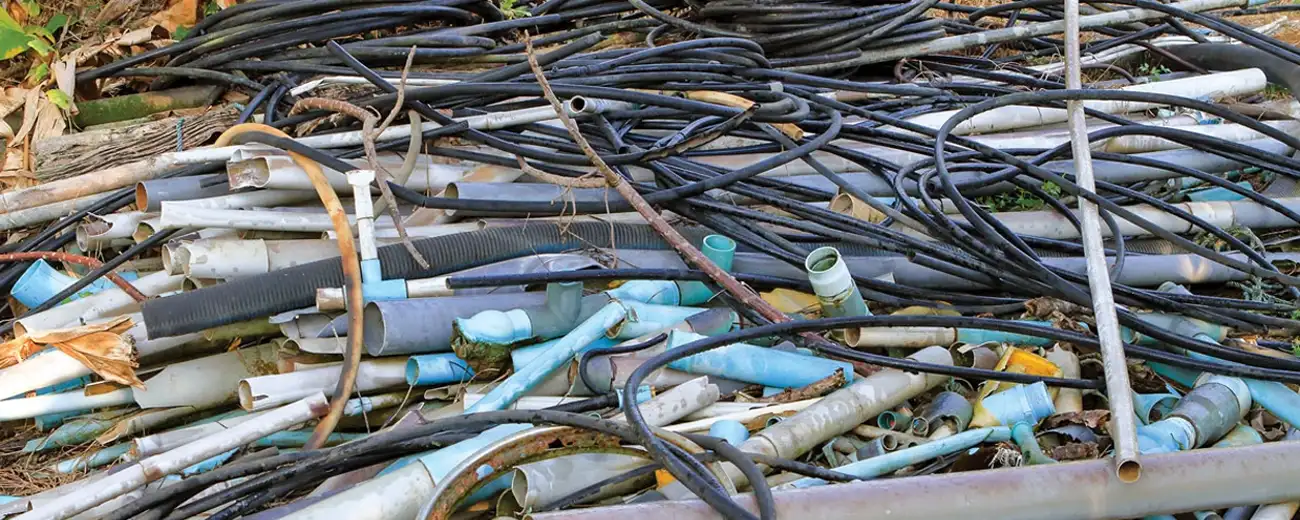
Toxic Gas Release (Core Reason)
PVC contains about 57% chlorine by weight. During pyrolysis, the PVC releases massive amounts of HCl gas. HCl is highly toxic, irritating to the human respiratory system, and extremely hazardous to plant operators if leaked. If HCl is not properly treated, trace oxygen and metal catalysis in industrial systems can facilitate the formation of carcinogenic dioxins and furans. This drastically increases environmental hazards.
Severe Equipment Corrosion (Core Reason)
At 200°C to 300°C, PVC pyrolysis releases a large amount of hydrogen chloride (HCl) gas. This gas reacts with trace moisture to form hydrochloric acid. Hydrochloric acid aggressively corrodes standard carbon steel and even many grades of stainless steel, resulting in severe pitting corrosion of pyrolysis reactors, condensing systems, and pipelines. This can lead to massive financial losses for investors.
Low Oil Yield & Poor Economic Viability
From a commercial standpoint, the goal of plastic pyrolysis is usually to maximize high-quality liquid fuel oil. PVC fails miserably here. Instead of breaking down into liquid hydrocarbons, the carbon backbone of PVC mostly cross-links into a heavy, solid carbonaceous char and large volumes of the aforementioned HCl gas. The actual yield of useful liquid oil is incredibly low (around 20%).
Contamination to Downstream Refining Processes
Pyrolysis oil obtained from PVC is highly contaminated with organic chlorides, carrying a chlorine content that far outstrips industry benchmarks (typically limited to single-digit ppm levels). If processed in downstream refineries, the residual chlorides and impurities will rapidly poison and deactivate high-value noble metal catalysts, resulting in substantial economic losses.
Quick Reference: PVC vs. PET Pyrolysis Compatibility Analysis
The following structured matrix outlines the distinct chemical behaviors and operational hazards of PVC and PET compared to ideal pyrolysis feedstocks:
| Category | PET | PVC | PP / PE (Ideal Feedstock) |
|---|---|---|---|
| Common Applications | Beverage bottles, food containers, polyester clothing fibers | Construction pipes, artificial leather, medical tubing, cable jacketing | Plastic film, industrial crates, packaging bags |
| Chemical Composition | High oxygen (O) content and stable benzene rings | High chlorine (Cl) content (~57% by weight) | Pure hydrocarbon structure |
| Pyrolysis Impact |
|
|
Smooth pyrolysis into high-quality pyrolysis oil; up to 80% oil yield |
| Pyrolysis Feedstock Thresholds | ≤ 5% by weight | ≤ 1% by weight (ideally 0%) | / |
| Recommended Recycling Route |
|
Mechanical recycling | Standard pyrolysis |
Summary for Industrial Operators
Plastic pyrolysis is an elite technology for diverting plastic waste from landfills into valuable energy or chemical feedstock. However, attempting to process PVC or PET in a standard setup is a recipe for operational failure. By excluding these two materials and focusing your supply chain on clean, source-separated PP, PE, and PS, you guarantee clean emissions, extend the service life of your machinery, and optimize your plant’s oil output.