Африканың ірі мұнай өндірушісі ретінде Нигерия Нигер атырауында мұнай қалдықтарының айтарлықтай көлемін шығарады. Термиялық десорбция қондырғылары (TDU) бұл материалдарды жанама түрде тығыздалған жүйеде қыздырып, мұнай мен суды қатты заттардан бөледі, бұл ресурстарды қалпына келтіруге және экологиялық қауіпсіз жоюға мүмкіндік береді. Зерттеу. Beston Group’s comprehensive thermal desorption solutions customized for Nigeria’s oil and gas waste management sector.
Where Thermal Desorption is Needed Across Nigeria’s Energy Value Chain
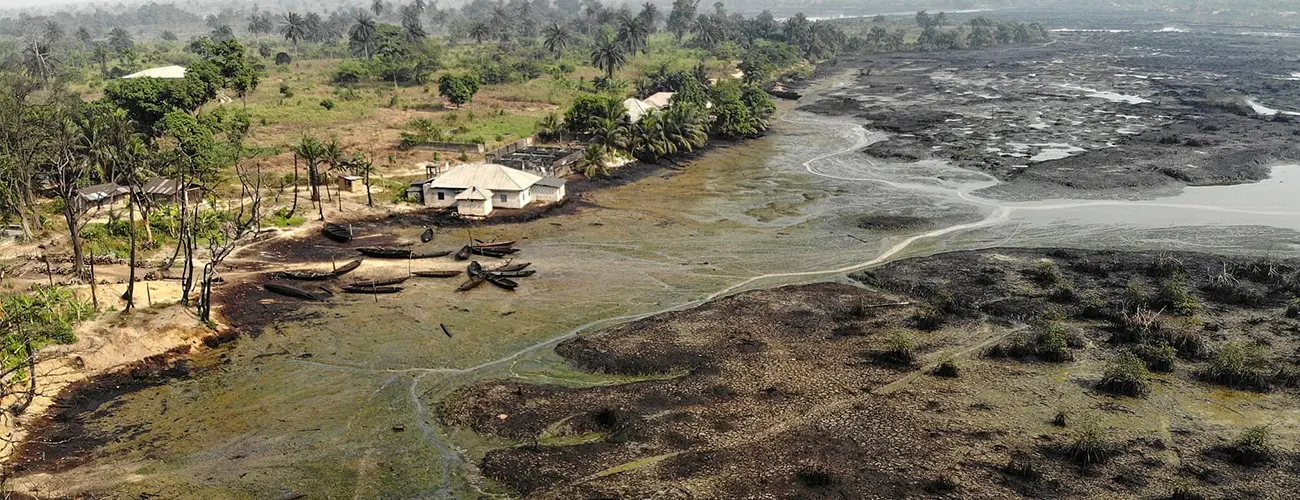
Spill Remediation & Contaminated Land Recovery
📍 Негізгі аймақтар: Niger Delta (including Ogoniland, Rivers State, and Bayelsa State)
Crude oil leaks caused by pipeline damage, equipment failures, and operational spills have left extensive hydrocarbon-contaminated soil across the Niger Delta. Excavating and hauling this impacted soil to centralized thermal processing hubs allows operators to restore contaminated land while meeting stringent national soil remediation guidelines.
Onshore & Offshore Drilling Operations
📍 Негізгі аймақтар: Port Harcourt (Rivers State), Warri (Delta State), and Offshore Niger Delta Blocks
Oilfield exploration and production continually generate oil-based mud (OBM) drill cuttings and tank bottom sludges. Because these waste streams carry significant concentrations of base oils, moisture, and geological formation solids, thermal desorption is critical for recovering liquid hydrocarbons and producing inert solids suitable for safe discharge or backfilling.
Historic Waste Pits & Site Reclamation
📍 Негізгі аймақтар: Akwa Ibom State, Delta State, and Imo River Oilfields
Unlined storage pits, waste lagoons, and historical oil collection ponds accumulate heavy crude residues, weathered sludges, and oil-soaked soils over years of operation. Remediating these legacy contamination sites requires high-efficiency thermal processing to render the treated solids environmentally benign for land reclamation and reuse.
Refineries & Downstream Storage Terminals
📍 Негізгі аймақтар: Port Harcourt, Warri, Kaduna, and Lagos
Routine refinery maintenance, tank bottom cleaning, API separator desilting, and oil wastewater treatment produce high-volume hazardous sludges. Specialized environmental service providers collect these semi-solid materials from refineries and storage depots for centralized, closed-loop thermal treatment.
Proven Thermal Desorption Projects Delivered by Beston Group Нигерияда
To address the diverse material compositions and operational demands across these scenarios, Beston Group has successfully delivered and commissioned multiple thermal desorption projects in Nigeria. Below are two representative project cases:
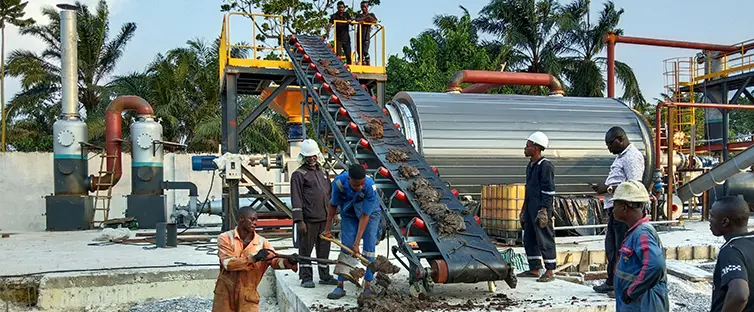
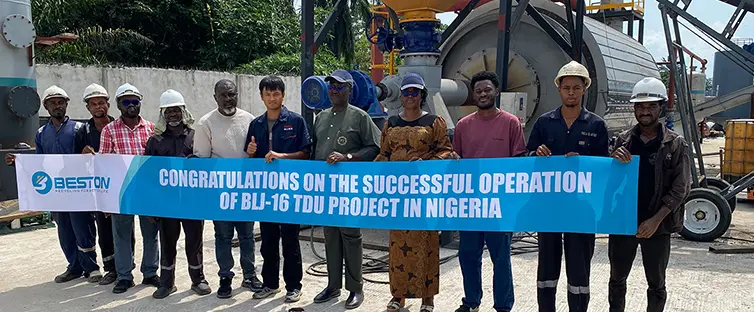
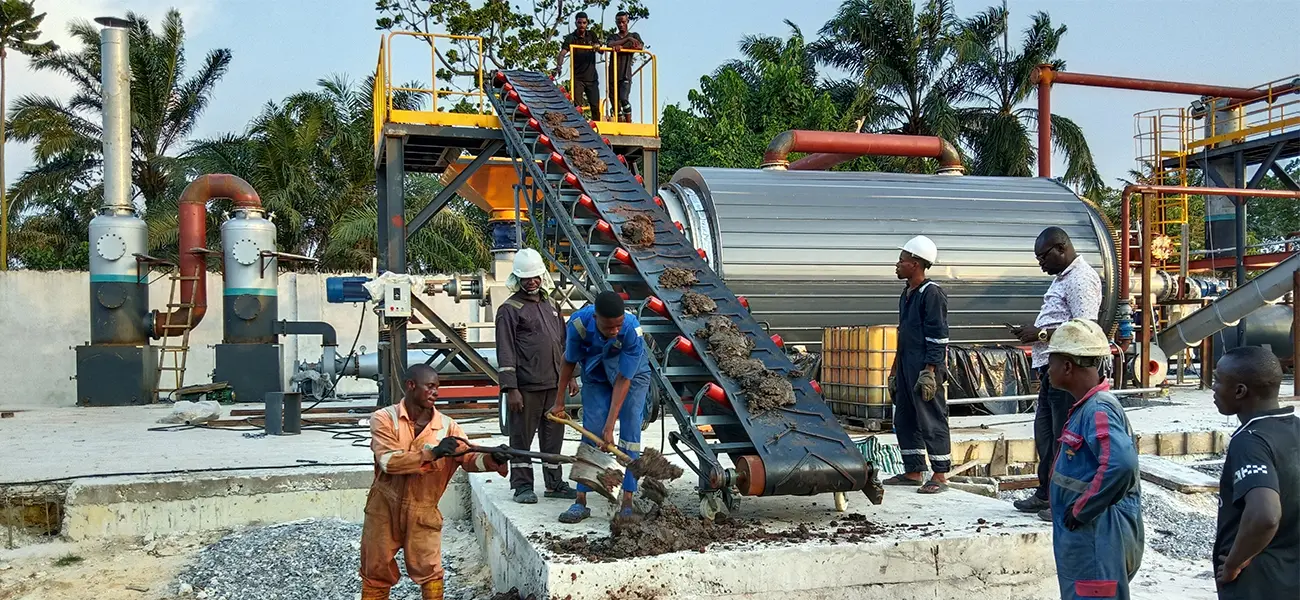
 Case 1: Drill Cuttings Treatment for a Waste Management Firm
Project Specifications & Technical Setup
- Клиент фоны: Mid-sized solid waste management firm
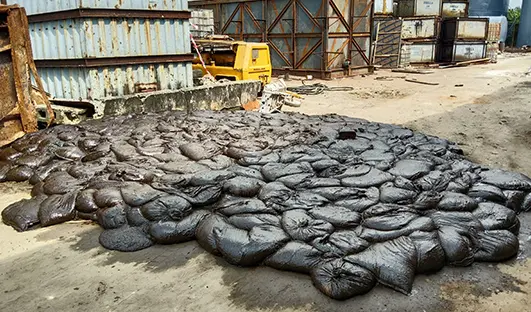
- Мақсатты материал: Hazardous oily drill cuttings
- Feedstock characteristics: ~35% combined oil and moisture content
- Жабдықтың моделі: Beston BLJ-16 Термиялық десорбциялық қондырғы
Operational Status & Project Milestones
- Жобаның басталу күні: Наурыз 27, 2025
- Сәтті операция күні: Желтоқсан 29, 2025
- Операциялық күй: Running smoothly in daily commercial operation
- Процесс сыйымдылығы: 16-18т/партия
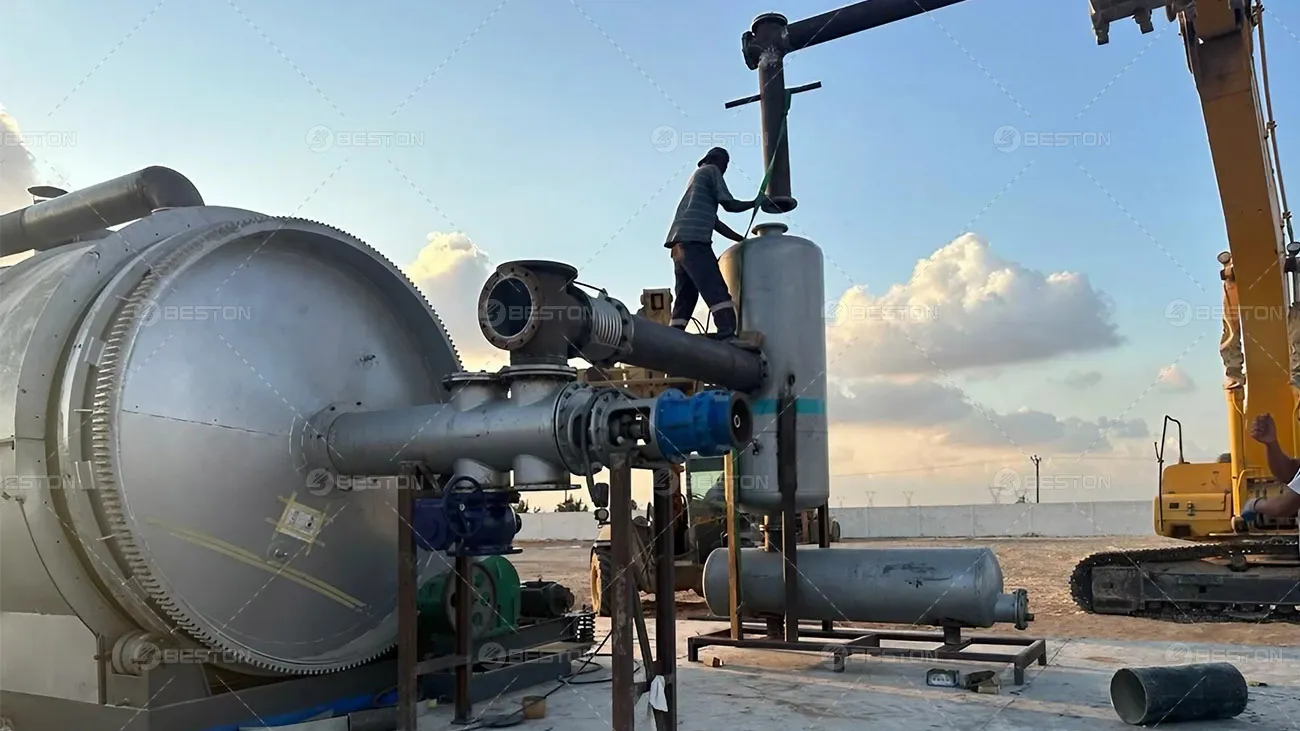
Case 2: Mixed Sludge & OBM Cuttings Processing for a Disposal Provider
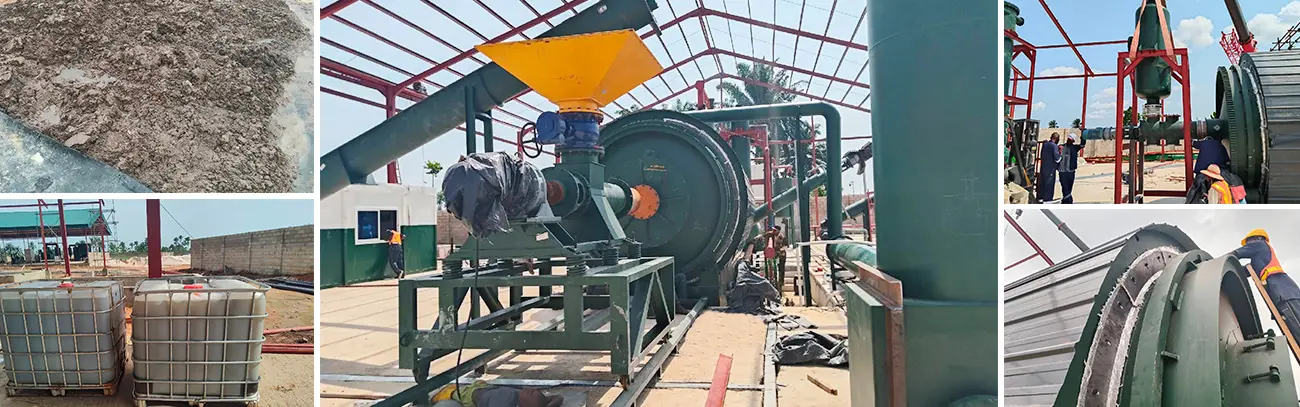
Жоба туралы ақпарат
- Жабдықтың моделі: BLJ-16 Термиялық десорбциялық қондырғы (TDU)
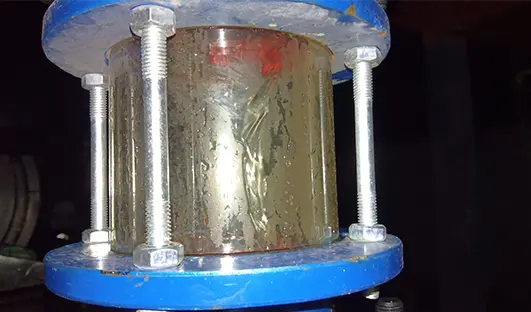
- Негізгі компоненттерКоррозияға төзімді 304 тот баспайтын болаттан жасалған реактор және жоғары тиімді бұрандалы бергіш жүйесі
- Материалды өңдеуҚону мұнай шламы мен мұнай негізіндегі бұрғылау шламының (OBM) қоспасы
Жоба кілтінің уақыт шкаласы
- Орнату мерзімі: 2026 жылғы 2 наурыз – 31 наурыз
- Іске қосу кезеңі: 2026 жылғы 1 сәуір – 10 сәуір
- Жобаның аяқталуы және қабылдану мерзімі: 2026 жылғы 11 сәуір – 12 сәуір
- Жалпы ұзақтығы: 42 күн (Жобаны жеткізу үшін жаңа эталон орнату)
Global Project Cases of Beston Group Thermal Desorption Units


5 Models of Thermal Desorption Unit for Sale in Nigeria
| моделі | Blackgold P30 | BLJ-20 | BLJ-16 TDU | BLJ-16 Стандартты | BLJ-16 Ультра |
|---|---|---|---|---|---|
| Өндіруші | БЕСТОН | БЕСТОН | БЕСТОН | БЕСТОН | БЕСТОН |
| Нарыққа уақыт келді | 2026 | 2025 | 2013 | 2013 | 2022 |
| Мотор маркасы | Қытай бренді | Қытай бренді | Қытай бренді | Қытай бренді | ABB жарылысқа төзімді |
| Қолайлы шикізат | Пластмасса қалдықтары; шиналар; Мұнай шламы | Пластмасса қалдықтары; шиналар; Мұнай шламы | Мұнай шламы; Мұнай шламы; Бұрғылау қалдықтары; Резервуар түбіндегі мұнай шламы | Толық шина <120см; Шина блоктары <15см; Сұйықтық мөлшері<30% мұнайлы топырақ | Пластмасса қалдықтары; шиналар; Мұнай шламы |
| Енгізу сыйымдылығы (макс.) | Қалдық пластик түйіршіктері: 0.8-1.05 т/сағ; Резеңке ұнтағы: 1.25-1.5т/сағ; Мұнай шламы: 1.8-2.3 т/сағ | Қалдық пластик түйіршіктері: 12-13т/тәулік; Шина: тәулігіне 18-20т; Мұнай шламы: 20-25 т/т | 16-18 т/партия | Тұтас шина <120 см немесе шина блоктары <15 см: 10-12т/партия; Бүйір қабырғасынан алынған шина: 15-16т/партия; Майлы топырақ: 16-18т/партия | Қалдық пластикалық бумалар: 8-10т/партия; Тұтас шина <120 см немесе шина блоктары <15 см: 10-12т/партия; Бүйір қабырғасынан алынған шина: 15-16т/партия; Мұнай шламы: 16-18 т/партия |
| Жұмыс әдісі | Толығымен үздіксіз | Batch | Batch | Batch | Batch |
| Мұнайдың соңғы сапасы | Пиролиз майы; Балауыз немесе жеңіл май қосылған пиролиз майы; Бензин араластырғыш компоненттер | Пиролиз майы; Жеңіл мұнай және стандартты емес дизель отыны | Пиролиз майы | Пиролиз майы | Пиролиз майы; Балауыз немесе жеңіл май қосылған пиролиз майы |
| Реактор материалы | 304/310S Тот баспайтын болат | Q345R қазандық болат және 304/316L/310S баспайтын болат | 304 баспайтын болаттан жасалған | Q345R қазандық болат | 304 баспайтын болаттан жасалған |
| Реактордың қызмет ету мерзімі (жыл) | 5-8 жыл | Q345R қазандық болаты: 2-3 жыл; 304/316L тот баспайтын болат: 5-8 жыл; 310S тот баспайтын болат: 8-10 жыл | 5-8 жыл | 2-3 жыл | 5-8 жыл |
| Кепілдік (айлар) | 12 | 12 | 12 | 12 | 12 |
| Жеткізу уақыты (күнтізбелік күндер) | 60-90 | 60 | 60 | 45 | 90 |
| Қажетті жер кеңістігі (L*W*H*m) | 50 * 20 * 10 | 40 * 13 * 8 | 33 * 13 * 8 | 33 * 13 * 8 | 33 * 26 * 8 |
| орауыш | 20*6*3m in bulk+13*40HQ | 1*40FR+4*40HQ | 1*40FR+3*40HQ | 1*40FR+3*40HQ | 1*40FR+8*40HQ |
| Орнату мерзімі (күнтізбелік күндер) | 60-90 | 45 | 45 | 45 | 60 |
Project Economics: High-Yield Recovered Products from Thermal Desorption
Thermal desorption and пиролиз processing transform hazardous oil sludge and contaminated soils into high-value, marketable commodities in Nigeria. By recovering refined liquid hydrocarbons and environmentally safe solid residues, plant operators can generate dual revenue streams while completely eliminating environmental liability.
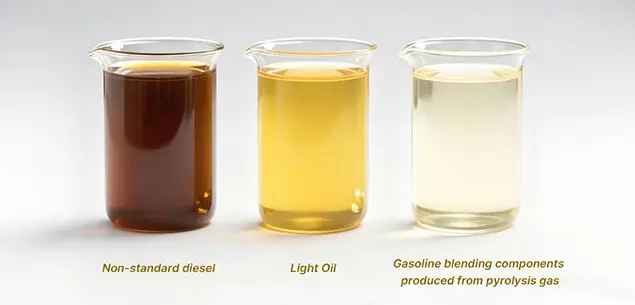
High-Purity Pyrolysis Oil
The condensed liquid hydrocarbon output serves as a high-calorific fuel oil in strong demand across local Nigerian industrial markets. It can be utilized directly for industrial heating or further processed through secondary distillation systems into high-value naphtha and non-standard diesel.
- Estimated Nigerian Market Price: $450 – $650 per metric ton (subject to crude oil price fluctuations and local supply dynamics);
- Нарық қолданбасы: Fuel source for local industrial boilers, brick kilns, or feedstock for secondary distillation into naphtha and non-standard diesel;
- Экономикалық артықшылық: Provides heavy energy users in Nigeria with a cost-effective alternative to imported diesel and heavy fuel oil.
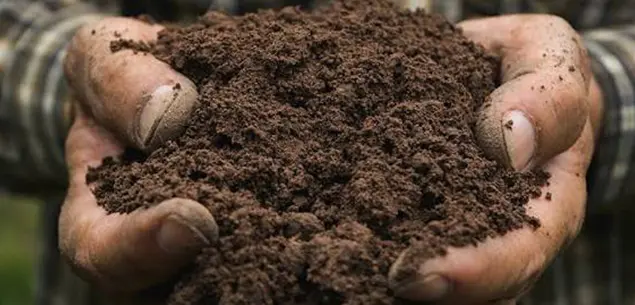
Decontaminated Solid Residue & Clean Soil
When processing oily soils, the resulting output is fully decontaminated clean earth that satisfies national TPH environmental limits. For drill cuttings and industrial sludges, the processed inert solids are cleared of hydrocarbon contamination, transforming hazardous waste into safe site material.
- Estimated Nigerian Market Price: $10 – $25 per ton for commercial aggregate, or $80 – $150 per ton saved in hazardous disposal fees;
- Нарық қолданбасы: On-site land backfilling, road sub-base construction, and raw material for eco-friendly brick and block manufacturing;
- Экономикалық артықшылық: Eliminates expensive off-site hazardous waste transport fees while enabling immediate site closure certification.
Regulatory Compliance & Environmental Standards for Oil Waste in Nigeria
Oil and gas waste management in Nigeria is governed by the Nigerian Upstream Petroleum Regulatory Commission (NUPRC) and the National Oil Spill Detection and Response Agency (NOSDRA). All operations must comply with the Environmental Guidelines and Standards for the Petroleum Industry in Nigeria (EGASPIN).

Solid Residue & Soil Compliance Standards
Under Nigerian environmental regulations, all processed contaminated soils, drill cuttings, and oily sludges must satisfy strictly defined residual contamination limits prior to land backfilling, reuse, or off-site disposal. Compliance must be verified by NUPRC/NOSDRA-accredited independent laboratories through mandatory sampling and testing. Beston TDU systems allow precise adjustment of operating temperatures and retention times to consistently meet or exceed these required soil discharge standards.
- Target TPH (Agricultural Reuse): Reduced below 50 mg/kg (50 ppm) for sensitive soil restoration;
- Target TPH (Industrial Backfilling): Maintained below 1,000 mg/kg (1,000 ppm) for commercial site reuse;
- Нормативтік сәйкестік: Supported by mandatory accredited laboratory testing certificates prior to off-site transfer.
Liquid Hydrocarbon & Discharge Compliance Standards
Hydrocarbons and wastewater recovered from oily waste treatment are subject to strict resource recovery and environmental discharge protocols in Nigeria. Separated fuel oil fractions must be purified to meet basic sediment and water (BS&W) criteria before commercial re-routing to refineries or industrial markets. Concurrently, processed wastewater must be treated to satisfy national effluent standards before safe environmental release.
- Oil Recovery Quality: Compliant with BS&W standards for direct commercial sale or refinery feed;
- Ағынды суларды тазарту: Fully compliant with EGASPIN effluent limits before safe environmental release;
- Ресурстарды оңтайландыру: Achieves closed-loop hydrocarbon recovery while eliminating off-site environmental liability.
How to Successfully Launch a Thermal Desorption Project in Nigeria?
Establishing an oil sludge or drill cuttings мұнай шламын пиролиздеу зауыты in Nigeria requires a seamless transition from regulatory approvals to equipment selection, site civil construction, and field commissioning in the Niger Delta. Here is a comprehensive 6-step roadmap guiding project developers from concept to full-scale commercial operation.
- 1Land Permitting, EIA & Regulatory FilingsSecure land rights and obtain an approved Environmental Impact Assessment (EIA) from the Federal Ministry of Environment (FMEnv). Register the project early with NUPRC or NOSDRA to establish legal authorization before breaking ground.
- 2Feedstock Testing & Vendor/Equipment SelectionPartner with an experienced equipment vendor to analyze local feedstocks (TPH, moisture, viscosity). Use lab data to select between a batch unit (e.g., Beston BLJ-16) for variable pit sludge or a plant for high-volume drill cuttings.
- 3Trade & Import Compliance: Form M & SONCAPProcess an electronic Form M through a local commercial bank for foreign exchange allocation. Ensure your vendor provides accredited PC and SONCAP (SC) certificates to clear Nigerian customs at Lagos or Port Harcourt ports.
- 4Site Engineering & Heavy Civil ConstructionDesign heavy reinforced concrete foundations suited for southern Nigeria’s high water tables. Install covered feedstock storage, elevated dry-feeding hoppers, and secondary containment bunds to prevent runoff during intense rainy seasons.
- 5Utility Setup & Off-Grid Power IntegrationIntegrate heavy-duty primary diesel generators (or gas/oil dual-fuel sets) along with air compressors and water treatment units to ensure uninterrupted 24/7 continuous operation despite local grid fluctuations.
- 6Mechanical Installation, Commissioning & NUPRC/NOSDRA Sign-OffErect the plant, integrate multi-stage flue gas scrubbers to meet ambient air standards, and conduct joint trial runs. NUPRC and NOSDRA officials will perform on-site audits before issuing the final commercial operating permit.
Ескерту: Beston Group delivers full on-site installation and support services. Have questions about launching your thermal desorption project? Contact us today for expert guidance!
FAQ of Thermal Desorption Unit in Nigeria
01What types of oil waste can be treated by thermal desorption in Nigeria?
Thermal desorption units can process a wide range of solid and semi-solid wastes, including:
- Tank bottom sludge;
- Oil-based mud (OBM) drill cuttings;
- Oil-water separator sludge;
- Hydrocarbon-contaminated soils.
Our completed projects in Nigeria have successfully treated oily drill cuttings, mixed OBM cuttings, and industrial waste oil sludge.
02Which regulatory bodies and environmental standards apply to TDU projects in Nigeria?
03How is thermal desorption equipment transported to project sites in Nigeria?
04How does the rainy season impact thermal desorption operations in Nigeria?
Contact Us to Launch Your Thermal Desorption Project in Nigeria
Planning a thermal desorption unit project in Nigeria? Please share your material type, oil and water content, and daily processing capacity with us. Beston Group team will recommend the right configuration for you, drawing on our completed local projects. You can also follow Beston on LinkedIn to stay updated on project developments, equipment videos, and our latest news.